
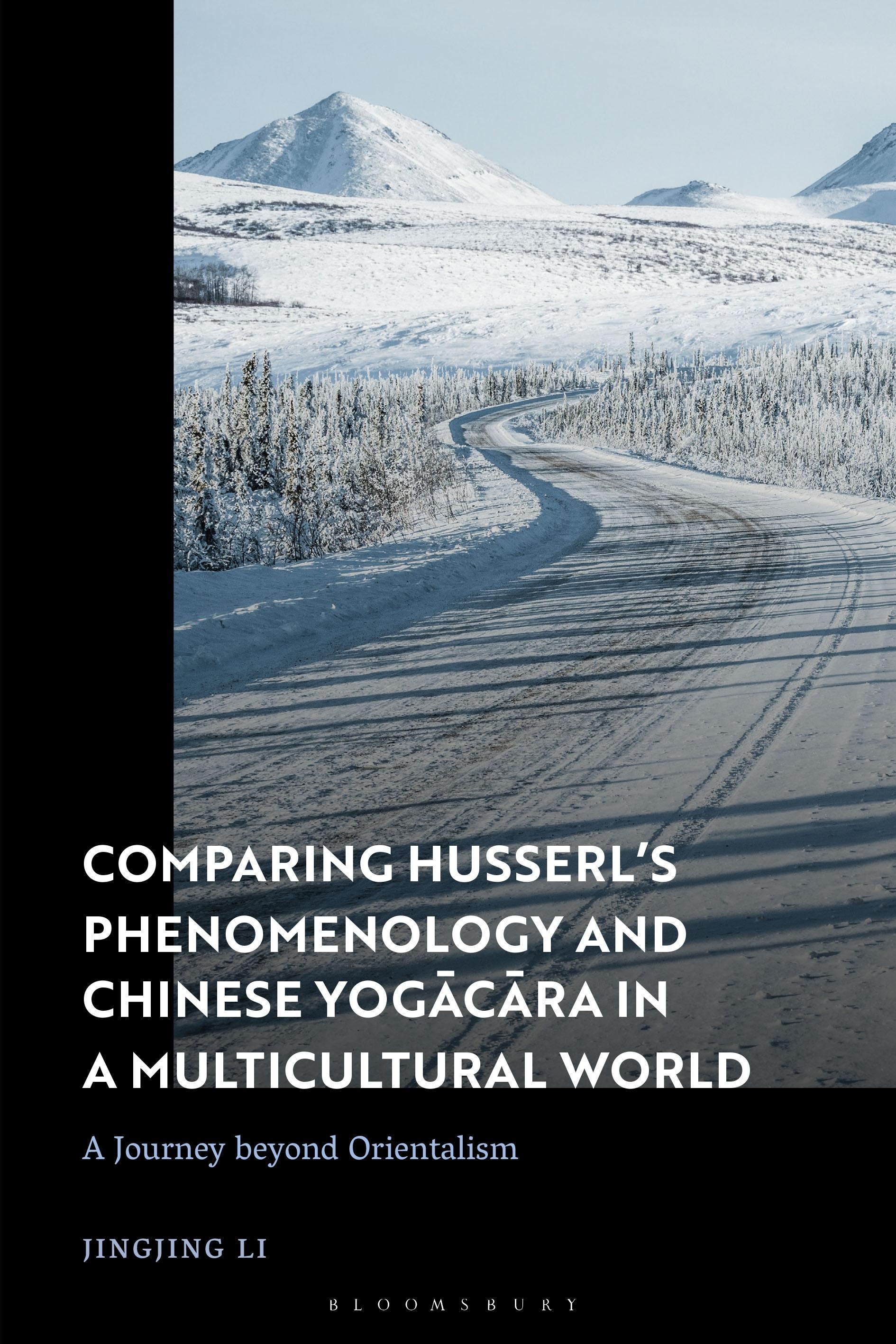
How is constructive cultural exchange possible when traditions hold such contradictory views? Jingjing Li brings Edmund Husserl's phenomenology and Chinese Yogacara Buddhism into dialogue to explore the concept of essence.
While phenomenology and Yogacara Buddhism are both known for their investigations of consciousness, there exists a core tension between them: phenomenology affirms the existence of essence, whereas Yogacara Buddhism argues that everything is empty of essence (svabhava). Answering this question and positioning both philosophical traditions in their respective intellectual and linguistic contexts, Li argues that what Husserl means by essence differs from what Chinese Yogacarins mean by svabhava. We see how Husserl problematises the substantialist understanding of essence in European philosophy.
Detailing the process of finding a middle ground between the two traditions, Li's rich study demonstrates how both can thrive together in order to overcome Orientalism. She reveals that Chinese Yogacara has developed a distinct account of self-transformation, ethics and social ontology that renders it much more than simply a Buddhist version of Husserlian phenomenology.
While phenomenology and Yogacara Buddhism are both known for their investigations of consciousness, there exists a core tension between them: phenomenology affirms the existence of essence, whereas Yogacara Buddhism argues that everything is empty of essence (svabhava). Answering this question and positioning both philosophical traditions in their respective intellectual and linguistic contexts, Li argues that what Husserl means by essence differs from what Chinese Yogacarins mean by svabhava. We see how Husserl problematises the substantialist understanding of essence in European philosophy.
Detailing the process of finding a middle ground between the two traditions, Li's rich study demonstrates how both can thrive together in order to overcome Orientalism. She reveals that Chinese Yogacara has developed a distinct account of self-transformation, ethics and social ontology that renders it much more than simply a Buddhist version of Husserlian phenomenology.
Betal nemt med kort, Klarna, Apple Pay eller Google Pay. Ikke tilfreds? Du har altid 14 dages fortrydelsesret. Læs mere i vores vilkår. Har du spørgsmål, så send os en mail på hello@memmo.org.
Memmo gør det nemmere at studere – uanset hvor du er i verden. Hos os samler du dine kursusbøger og smarte studieværktøjer ét sted: resuméer, quizzer, podcasts og flashcards. Og så er der Ted, din studieven, der svarer på alt, du undrer dig over. Over 50 000 studerende studerer allerede her – bygget til at hjælpe dig med at lære hurtigere og stresse mindre.