
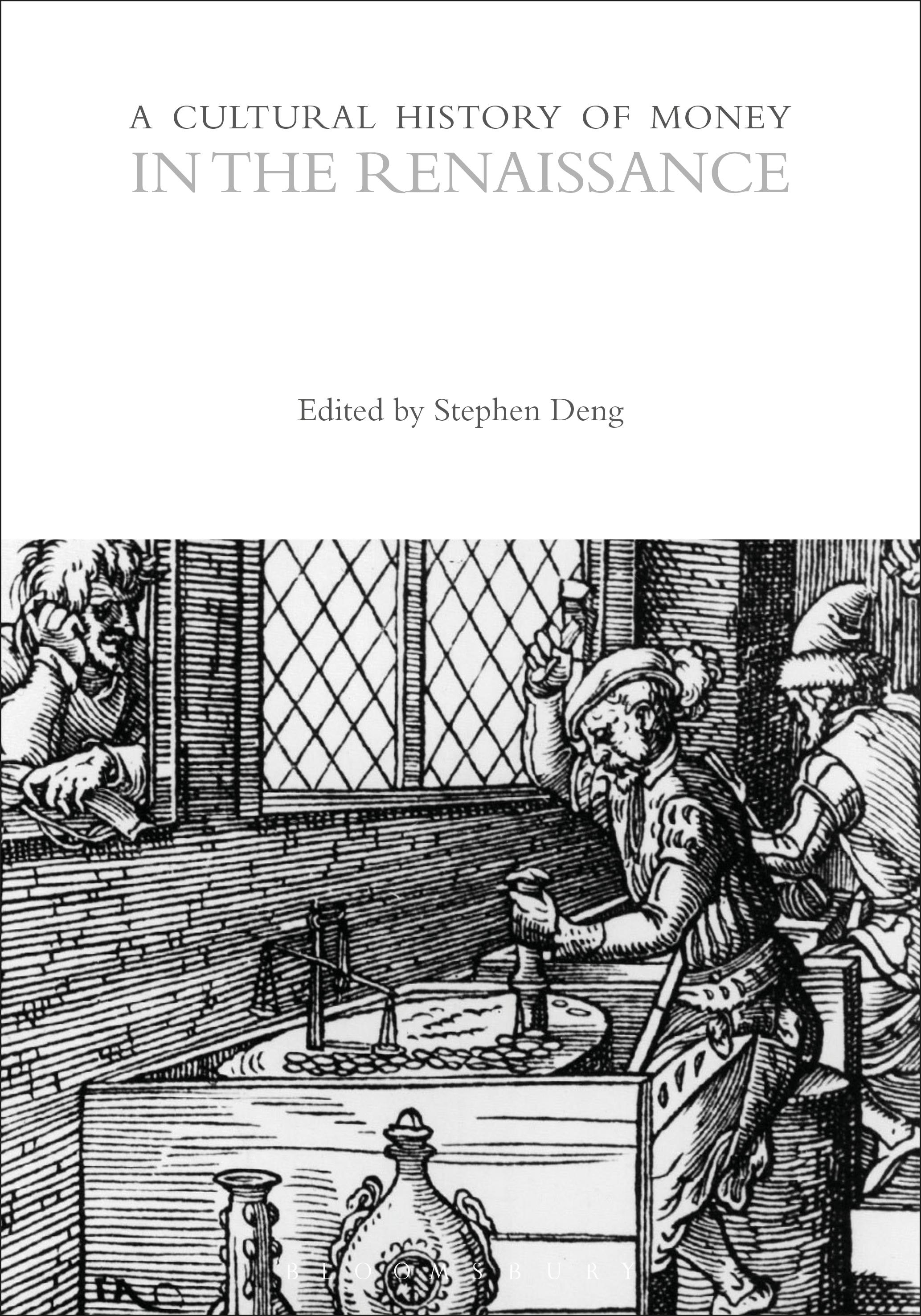
In a time before large banking systems, and with paper money just in its infancy, money during the Renaissance meant coinage (mainly gold and silver) and local credit systems. These monetary forms had a significant influence on the ways in which money was understood throughout the period, and shaped discussions on such topics as the meaning of monetary value, the economic, political, religious, and aesthetic uses of coinage, the moral implications of usury and credit systems, and the importance of reputation, both at the state and individual levels. Crucial to the transformation of ideas about money in the period was the growing awareness that the individuals, up to and including the monarch, were powerless to overcome the market forces that determined value and directed the movement of goods and money.
Drawing upon a wealth of visual and textual sources, A Cultural History of Money in the Renaissance presents essays that examine key cultural case studies of the period on the themes of technologies, ideas, ritual and religion, the everyday, art and representation, interpretation, and the issues of the age.
Drawing upon a wealth of visual and textual sources, A Cultural History of Money in the Renaissance presents essays that examine key cultural case studies of the period on the themes of technologies, ideas, ritual and religion, the everyday, art and representation, interpretation, and the issues of the age.
Betal nemt med kort, Klarna, Apple Pay eller Google Pay. Ikke tilfreds? Du har altid 14 dages fortrydelsesret. Læs mere i vores vilkår. Har du spørgsmål, så send os en mail på hello@memmo.org.
Memmo gør det nemmere at studere – uanset hvor du er i verden. Hos os samler du dine kursusbøger og smarte studieværktøjer ét sted: resuméer, quizzer, podcasts og flashcards. Og så er der Ted, din studieven, der svarer på alt, du undrer dig over. Over 50 000 studerende studerer allerede her – bygget til at hjælpe dig med at lære hurtigere og stresse mindre.