
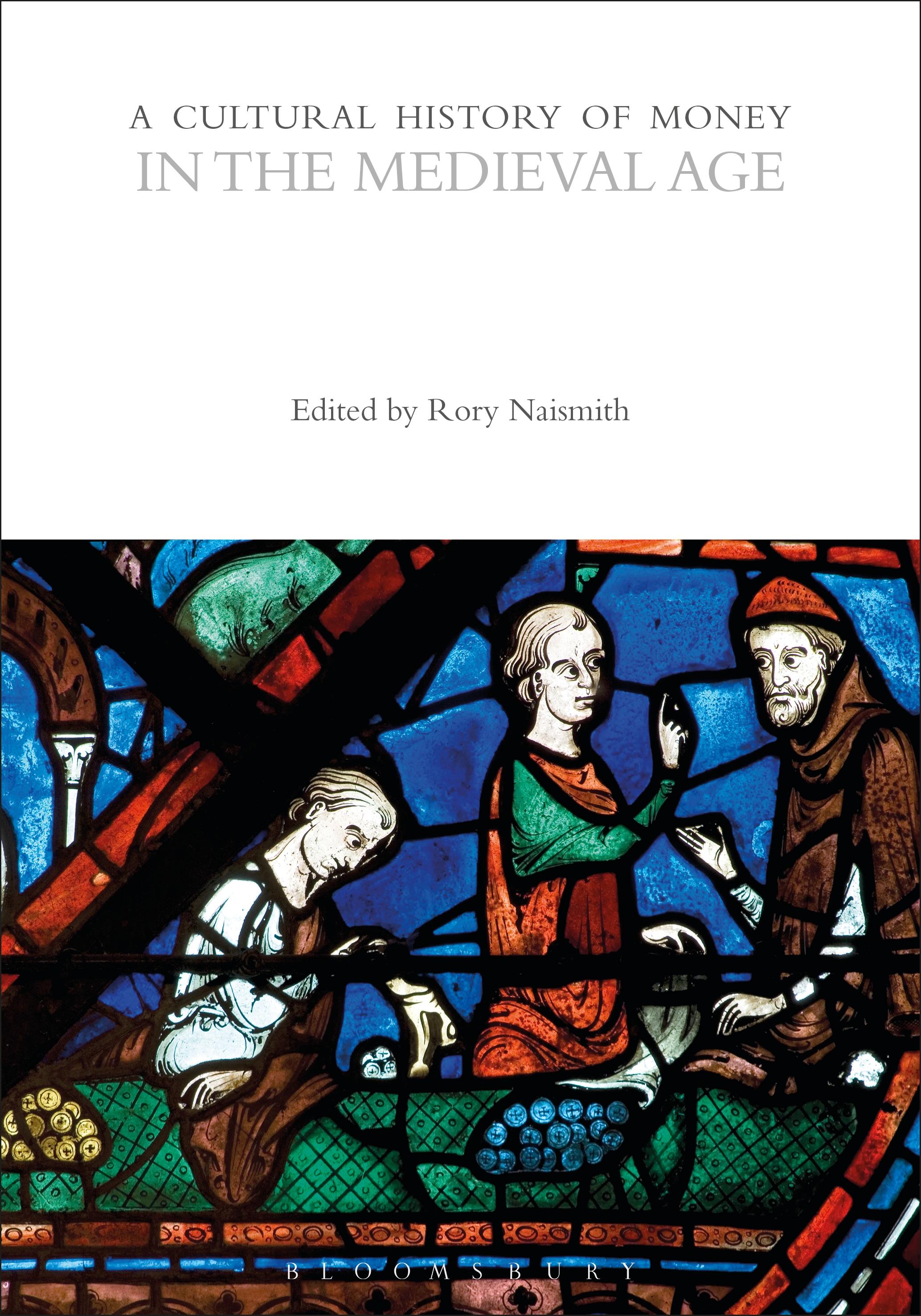
Money provides a unique and illuminating perspective on the Middle Ages. In much of medieval Europe the central meaning of money was a prescribed unit of precious metal but in practice precious metal did not necessarily change hands and indeed coinage was very often in short supply. Money had economic, institutional, social, and cultural dimensions which developed the legacy of antiquity and set the scene for modern developments including the rise of capitalism and finance as well as a moralized discourse on the proper and improper uses of money. In its many forms - coin, metal, commodity, and concept - money played a central role in shaping the character of medieval society and, in turn, offers a vivid reflection of the distinctive features of medieval civilization.
Drawing upon a wealth of visual and textual sources, A Cultural History of Money in the Medieval Age presents essays that examine key cultural case studies of the period on the themes of technologies, ideas, ritual and religion, the everyday, art and representation, interpretation, and the issues of the age.
Drawing upon a wealth of visual and textual sources, A Cultural History of Money in the Medieval Age presents essays that examine key cultural case studies of the period on the themes of technologies, ideas, ritual and religion, the everyday, art and representation, interpretation, and the issues of the age.
Betal nemt med kort, Klarna, Apple Pay eller Google Pay. Ikke tilfreds? Du har altid 14 dages fortrydelsesret. Læs mere i vores vilkår. Har du spørgsmål, så send os en mail på hello@memmo.org.
Memmo gør det nemmere at studere – uanset hvor du er i verden. Hos os samler du dine kursusbøger og smarte studieværktøjer ét sted: resuméer, quizzer, podcasts og flashcards. Og så er der Ted, din studieven, der svarer på alt, du undrer dig over. Over 50 000 studerende studerer allerede her – bygget til at hjælpe dig med at lære hurtigere og stresse mindre.