
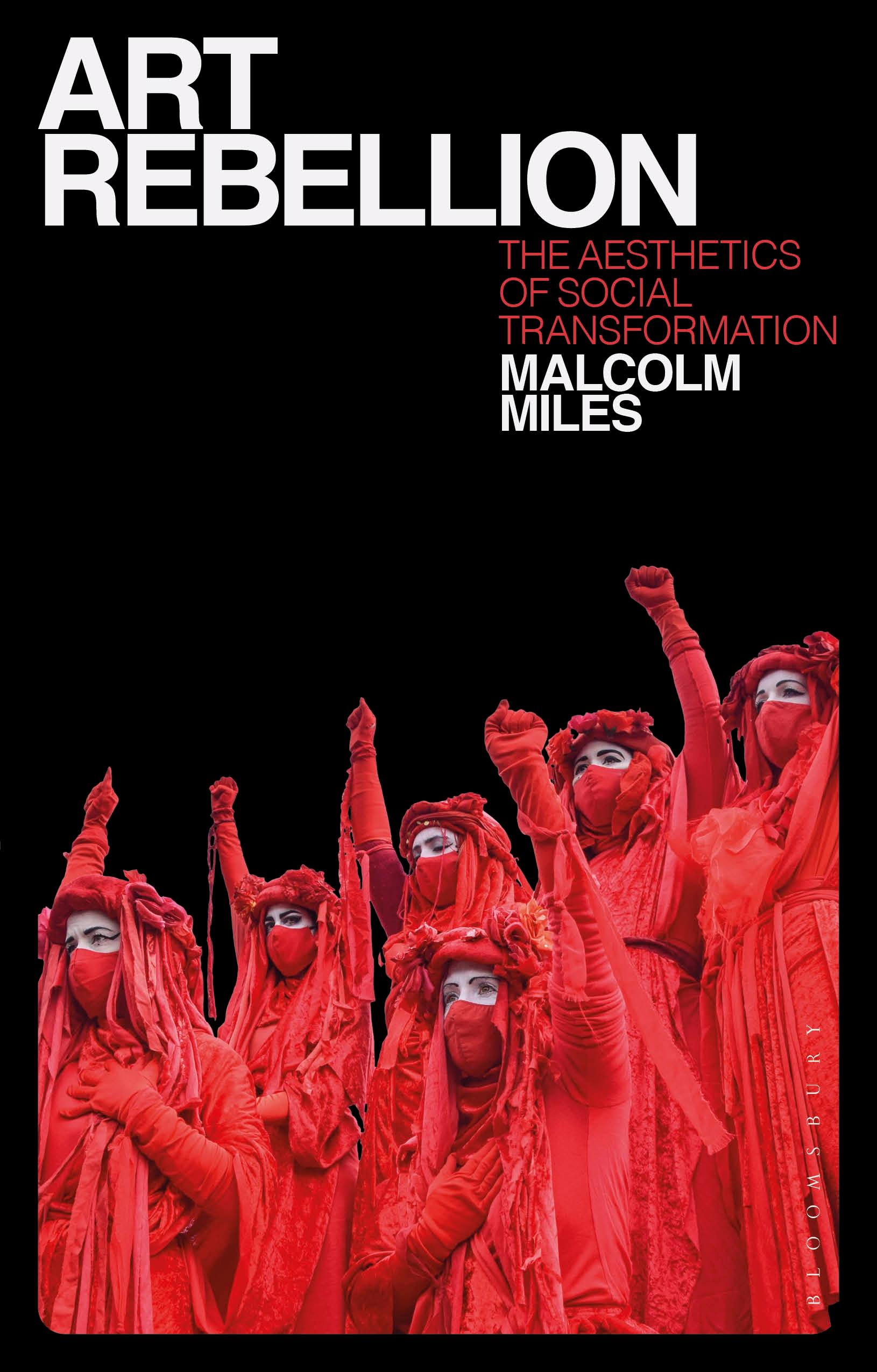
Art has always been central to moments of great social change. From the avant-garde to the ages of revolution, the act of rebellious creation has been crucial to bringing people and ideas together. However, in an increasingly fractured world characterised by upheaval and crisis, what role can art play in ushering in transformation?
Malcolm Miles offers a guide to contemporary art and activism, setting it firmly within the context of the avant garde and its legacies in the postwar period. He explores the rise of direct action to replace representational politics in organizations like Occupy and Extinction Rebellion, and in the movements to destroy or remove statues of slavers, and finds parallels in anti-institutional art practices. By engaging with the significant theoretical innovations of the last 50 years - modernism, postmodernism and contemporary critical thinking - Miles provides both an overview of political aesthetics and an introduction to how art activism works in its most memorable moments in history.
Art Rebellion argues that beauty is radically other to the dominant society; that power relations can be transformed; that protest cultures and contemporary art grow together; and that art has a crucial interruptive role in forming new, more equal and just, realities.
Malcolm Miles offers a guide to contemporary art and activism, setting it firmly within the context of the avant garde and its legacies in the postwar period. He explores the rise of direct action to replace representational politics in organizations like Occupy and Extinction Rebellion, and in the movements to destroy or remove statues of slavers, and finds parallels in anti-institutional art practices. By engaging with the significant theoretical innovations of the last 50 years - modernism, postmodernism and contemporary critical thinking - Miles provides both an overview of political aesthetics and an introduction to how art activism works in its most memorable moments in history.
Art Rebellion argues that beauty is radically other to the dominant society; that power relations can be transformed; that protest cultures and contemporary art grow together; and that art has a crucial interruptive role in forming new, more equal and just, realities.
Betal nemt med kort, Klarna, Apple Pay eller Google Pay. Ikke tilfreds? Du har altid 14 dages fortrydelsesret. Læs mere i vores vilkår. Har du spørgsmål, så send os en mail på hello@memmo.org.
Memmo gør det nemmere at studere – uanset hvor du er i verden. Hos os samler du dine kursusbøger og smarte studieværktøjer ét sted: resuméer, quizzer, podcasts og flashcards. Og så er der Ted, din studieven, der svarer på alt, du undrer dig over. Over 50 000 studerende studerer allerede her – bygget til at hjælpe dig med at lære hurtigere og stresse mindre.