
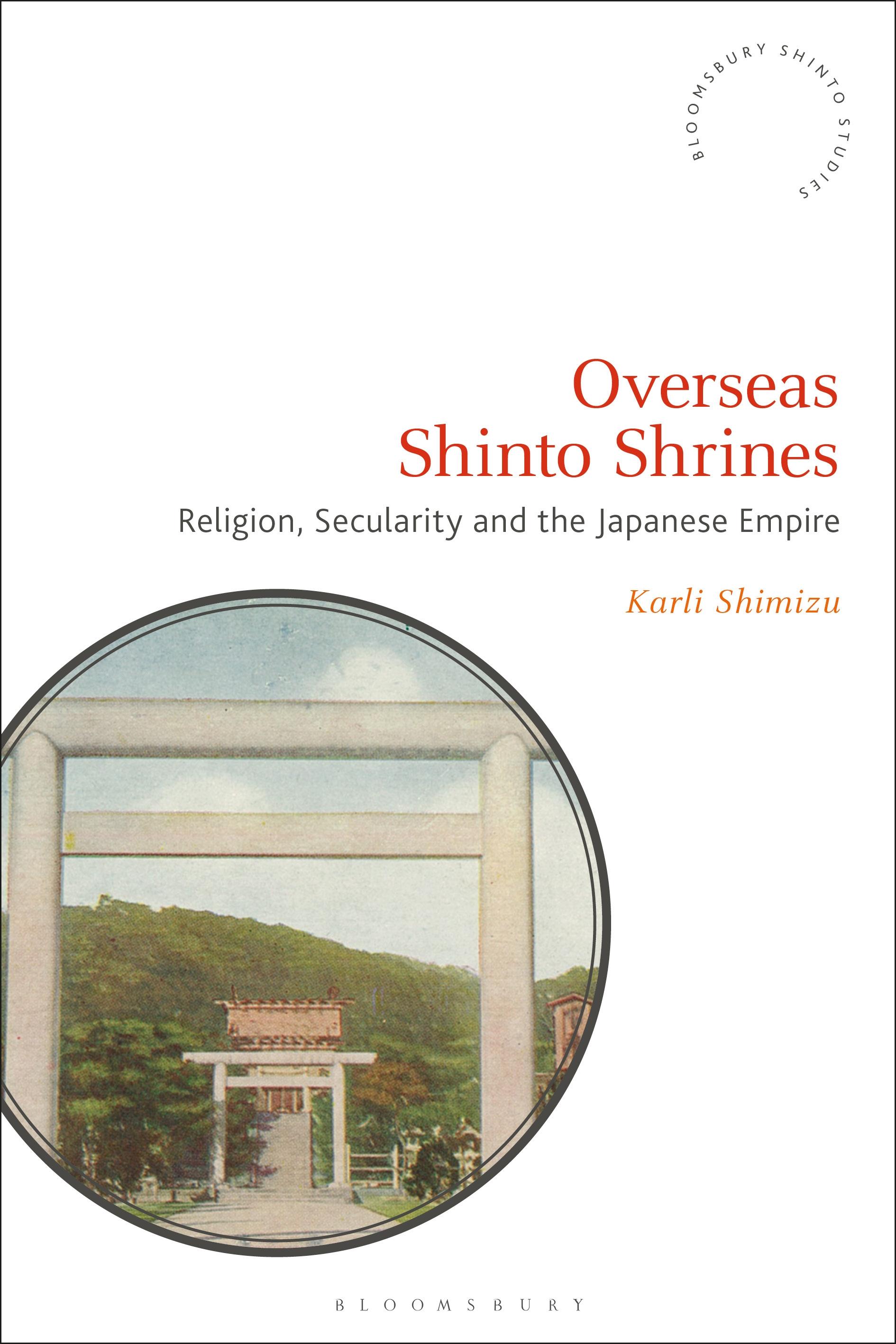
Through extensive use of primary resources and fieldwork, this detailed study examines overseas Shinto shrines and their complex role in the colonization and modernization of newly Japanese lands and subjects.
Shinto shrines became one of the most visible symbols of Japanese imperialism in the early 20th century. From 1868 to 1945, shrines were constructed by both the government and Japanese migrants across the Asia-Pacific region, from Sakhalin to Taiwan, and from China to the Americas. Drawing on theories about the constructed nature of the modern categories of 'religion' and the 'secular', this book argues that modern Shinto shrines were largely conceived and treated as secular sites within a newly invented Japanese secularism, and that they played an important role in communicating changed conceptions of space, time and ethics in imperial subjects.
Providing an example of the invention of a non-Western secularity, this book contributes to our understanding of the relationship between religion, secularism and the construction of the modern state.
Shinto shrines became one of the most visible symbols of Japanese imperialism in the early 20th century. From 1868 to 1945, shrines were constructed by both the government and Japanese migrants across the Asia-Pacific region, from Sakhalin to Taiwan, and from China to the Americas. Drawing on theories about the constructed nature of the modern categories of 'religion' and the 'secular', this book argues that modern Shinto shrines were largely conceived and treated as secular sites within a newly invented Japanese secularism, and that they played an important role in communicating changed conceptions of space, time and ethics in imperial subjects.
Providing an example of the invention of a non-Western secularity, this book contributes to our understanding of the relationship between religion, secularism and the construction of the modern state.
Betal nemt med kort, Klarna, Apple Pay eller Google Pay. Ikke tilfreds? Du har altid 14 dages fortrydelsesret. Læs mere i vores vilkår. Har du spørgsmål, så send os en mail på hello@memmo.org.
Memmo gør det nemmere at studere – uanset hvor du er i verden. Hos os samler du dine kursusbøger og smarte studieværktøjer ét sted: resuméer, quizzer, podcasts og flashcards. Og så er der Ted, din studieven, der svarer på alt, du undrer dig over. Over 50 000 studerende studerer allerede her – bygget til at hjælpe dig med at lære hurtigere og stresse mindre.