
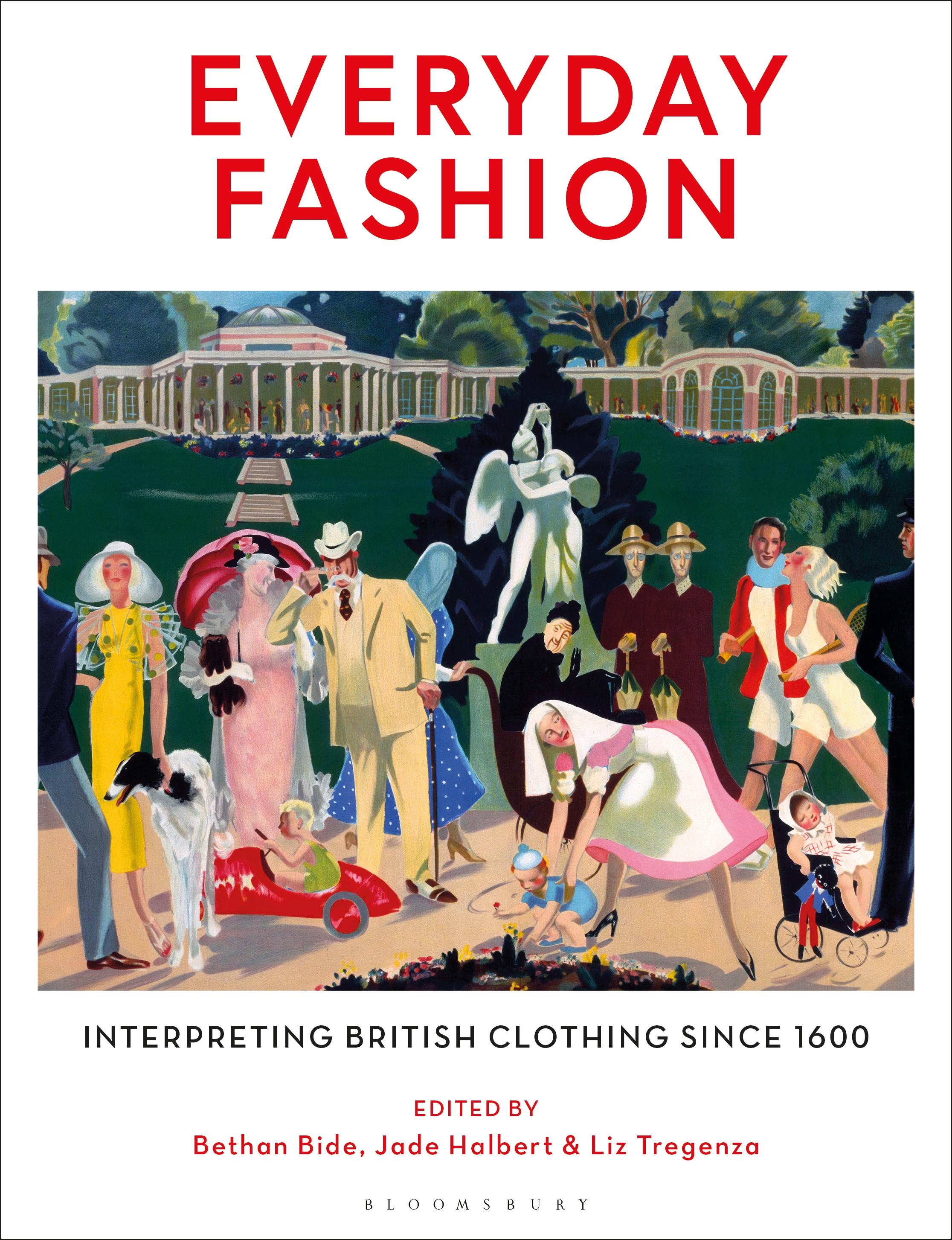
Ordinary clothes have extraordinary stories. In contrast to academic and curatorial focus on the spectacular and the luxurious, Everyday Fashion makes the case that your grandmother's wardrobe is an archive as interesting and important as any museum store. From the moment we wake and get dressed in the morning until we get undressed again in the evening, fashion is a central medium through which we experience the world and negotiate our place within it. Because of this, the ways that supposedly 'ordinary' and 'everyday' fashion objects have been designed, manufactured, worn, cared for, and remembered matters deeply to our historical understanding.
Beginning at 1550 – the start of an era during which the word 'fashion' came to mean stylistic change rather than the act of making – each chapter explores the definition of everyday fashion and how this has changed over time, demonstrating innovative methodologies for researching the everyday. The variety and significance of everyday fashion cultures are further highlighted by a series of illustrated object biographies written by Britain's leading fashion curators, showcasing the rich diversity of everyday fashion in British museum collections. Collectively, this volume scratches below the glossy surface of fashion to expose the mechanics of fashion business, the hidden world of the workroom and the diversity and role of makers; and the experiences of consuming, wearing, and caring for ordinary clothes in the United Kingdom from the 16th century to the present day. In doing so it challenges readers to rethink how fashion systems evolve and to reassess the boundaries between fashion and dress scholarship.
Beginning at 1550 – the start of an era during which the word 'fashion' came to mean stylistic change rather than the act of making – each chapter explores the definition of everyday fashion and how this has changed over time, demonstrating innovative methodologies for researching the everyday. The variety and significance of everyday fashion cultures are further highlighted by a series of illustrated object biographies written by Britain's leading fashion curators, showcasing the rich diversity of everyday fashion in British museum collections. Collectively, this volume scratches below the glossy surface of fashion to expose the mechanics of fashion business, the hidden world of the workroom and the diversity and role of makers; and the experiences of consuming, wearing, and caring for ordinary clothes in the United Kingdom from the 16th century to the present day. In doing so it challenges readers to rethink how fashion systems evolve and to reassess the boundaries between fashion and dress scholarship.
Betal nemt med kort, Klarna, Apple Pay eller Google Pay. Ikke tilfreds? Du har altid 14 dages fortrydelsesret. Læs mere i vores vilkår. Har du spørgsmål, så send os en mail på hello@memmo.org.
Memmo gør det nemmere at studere – uanset hvor du er i verden. Hos os samler du dine kursusbøger og smarte studieværktøjer ét sted: resuméer, quizzer, podcasts og flashcards. Og så er der Ted, din studieven, der svarer på alt, du undrer dig over. Over 50 000 studerende studerer allerede her – bygget til at hjælpe dig med at lære hurtigere og stresse mindre.