
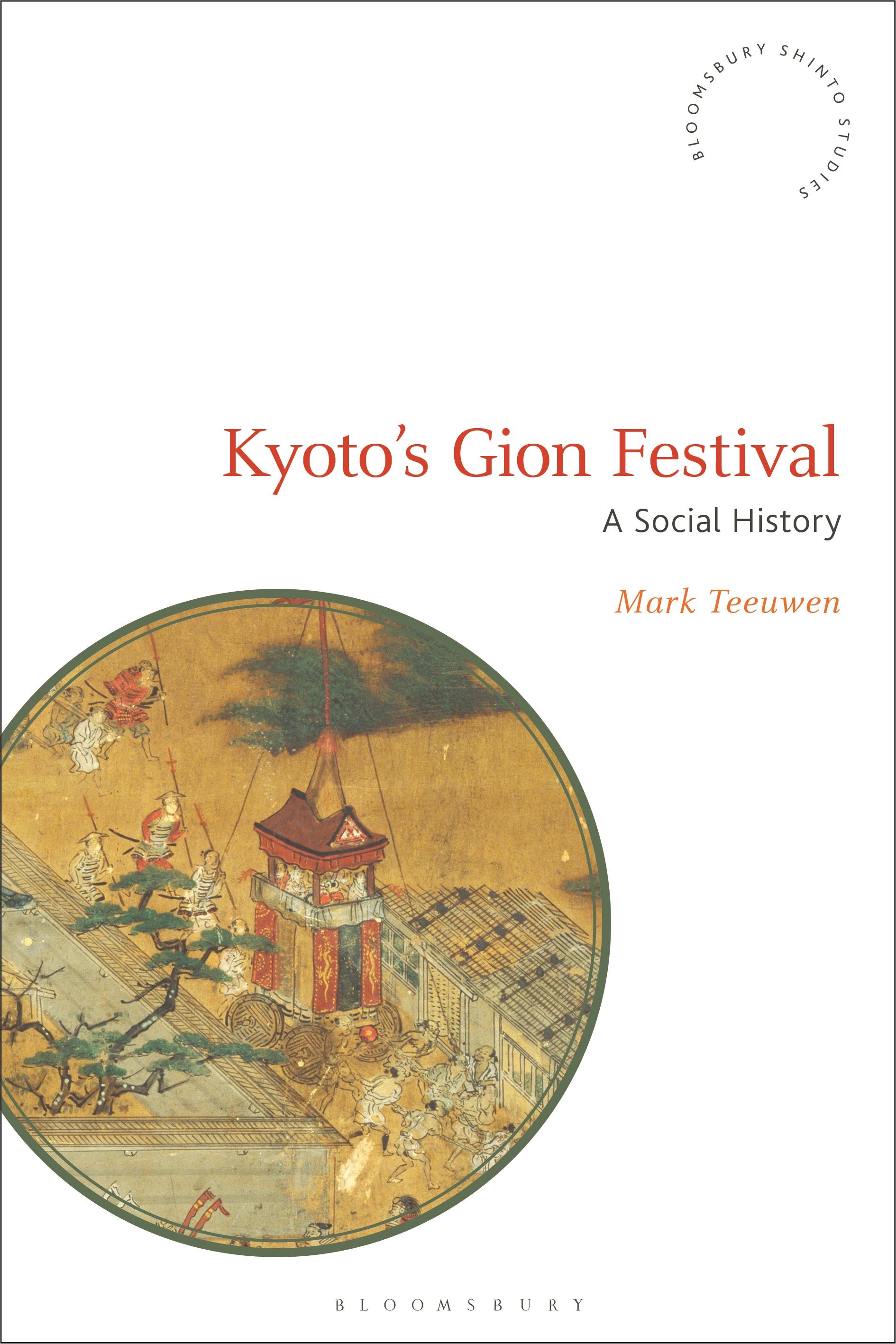
This book focuses on the long history of what is arguably the most prestigious and influential festival in Japan – Kyoto's Gion festival. It explores this history from the festival's origins in the late 10th century to its post-war revival, drawing on Japanese historical studies and archival materials as well as the author's participant observation fieldwork.
Exploring the social and political networks that have kept this festival alive for over a millennium, this book reveals how it has endured multiple reinventions. In particular, it identifies how at each historical juncture, different groups have found new purposes for the festival and adapted this costly enterprise to suit their own ends. The history of this festival not only sheds light on the development of Japanese festival culture as a whole, but also offers a window on Kyoto's history and provides a testing ground for recent festival theory.
Exploring the social and political networks that have kept this festival alive for over a millennium, this book reveals how it has endured multiple reinventions. In particular, it identifies how at each historical juncture, different groups have found new purposes for the festival and adapted this costly enterprise to suit their own ends. The history of this festival not only sheds light on the development of Japanese festival culture as a whole, but also offers a window on Kyoto's history and provides a testing ground for recent festival theory.
Betal nemt med kort, Klarna, Apple Pay eller Google Pay. Ikke tilfreds? Du har altid 14 dages fortrydelsesret. Læs mere i vores vilkår. Har du spørgsmål, så send os en mail på hello@memmo.org.
Memmo gør det nemmere at studere – uanset hvor du er i verden. Hos os samler du dine kursusbøger og smarte studieværktøjer ét sted: resuméer, quizzer, podcasts og flashcards. Og så er der Ted, din studieven, der svarer på alt, du undrer dig over. Over 50 000 studerende studerer allerede her – bygget til at hjælpe dig med at lære hurtigere og stresse mindre.