
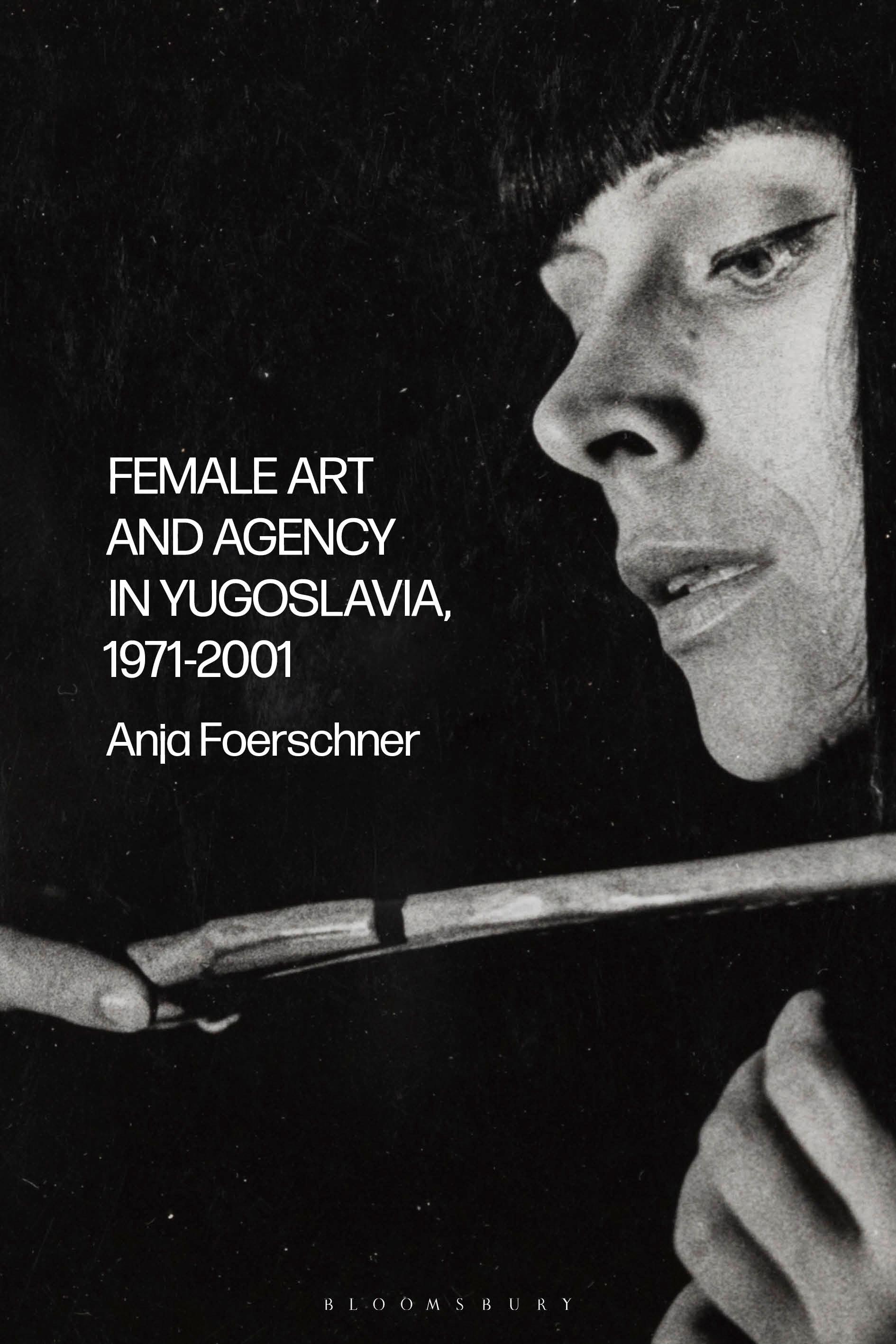
Despite having become marginalized on the map of contemporary art since the wars of the 1990s, the regions of former Yugoslavia continue to be a hub of creative activity. Especially noteworthy is the strong presence of women artists, scholars, and activists whose deeply personal, yet highly political artwork is rooted in a long legacy of female artistic agency. Building on existing scholarship as well as original research, this book highlights how female figures – through art and exhibition making, writing, mentorship, and activism – have shaped the alternative art scene in former Yugoslavia and placed the region firmly on the map of the international post-avantgarde.
Using the founding of the Student Cultural Center Belgrade in 1971 as a starting point, the book details the pioneering work of women in the realm of curation, where they developed radical exhibition concepts and programs that furthered the development of the New Art Practice and embedded Yugoslavia firmly on the map of the international postwar-avantgardes. It highlights the agency of female artists in the then-novel realms of performance art, video art, and new media art and shows how their work has helped these disciplines to gain the impact they retain until the present day. What is more, it shows how female cultural workers have courageously used their work to further the discourse on gender, sexuality, and the female body and, at a time when they saw themselves stripped of basic rights by the chauvinist-nationalist regimes emerging after Yugoslavia's breakup, formed a strong artistic and activist opposition.
Highlighting the role of women in the diversification of the ex-Yugoslavia states and its highly unique cultural and political landscape, this book addresses the noticeable gap in art historical scholarship that exists not only around Yugoslavia and its successor states, but especially on its female representatives.
Using the founding of the Student Cultural Center Belgrade in 1971 as a starting point, the book details the pioneering work of women in the realm of curation, where they developed radical exhibition concepts and programs that furthered the development of the New Art Practice and embedded Yugoslavia firmly on the map of the international postwar-avantgardes. It highlights the agency of female artists in the then-novel realms of performance art, video art, and new media art and shows how their work has helped these disciplines to gain the impact they retain until the present day. What is more, it shows how female cultural workers have courageously used their work to further the discourse on gender, sexuality, and the female body and, at a time when they saw themselves stripped of basic rights by the chauvinist-nationalist regimes emerging after Yugoslavia's breakup, formed a strong artistic and activist opposition.
Highlighting the role of women in the diversification of the ex-Yugoslavia states and its highly unique cultural and political landscape, this book addresses the noticeable gap in art historical scholarship that exists not only around Yugoslavia and its successor states, but especially on its female representatives.
Betal nemt med kort, Klarna, Apple Pay eller Google Pay. Ikke tilfreds? Du har altid 14 dages fortrydelsesret. Læs mere i vores vilkår. Har du spørgsmål, så send os en mail på hello@memmo.org.
Memmo gør det nemmere at studere – uanset hvor du er i verden. Hos os samler du dine kursusbøger og smarte studieværktøjer ét sted: resuméer, quizzer, podcasts og flashcards. Og så er der Ted, din studieven, der svarer på alt, du undrer dig over. Over 50 000 studerende studerer allerede her – bygget til at hjælpe dig med at lære hurtigere og stresse mindre.