
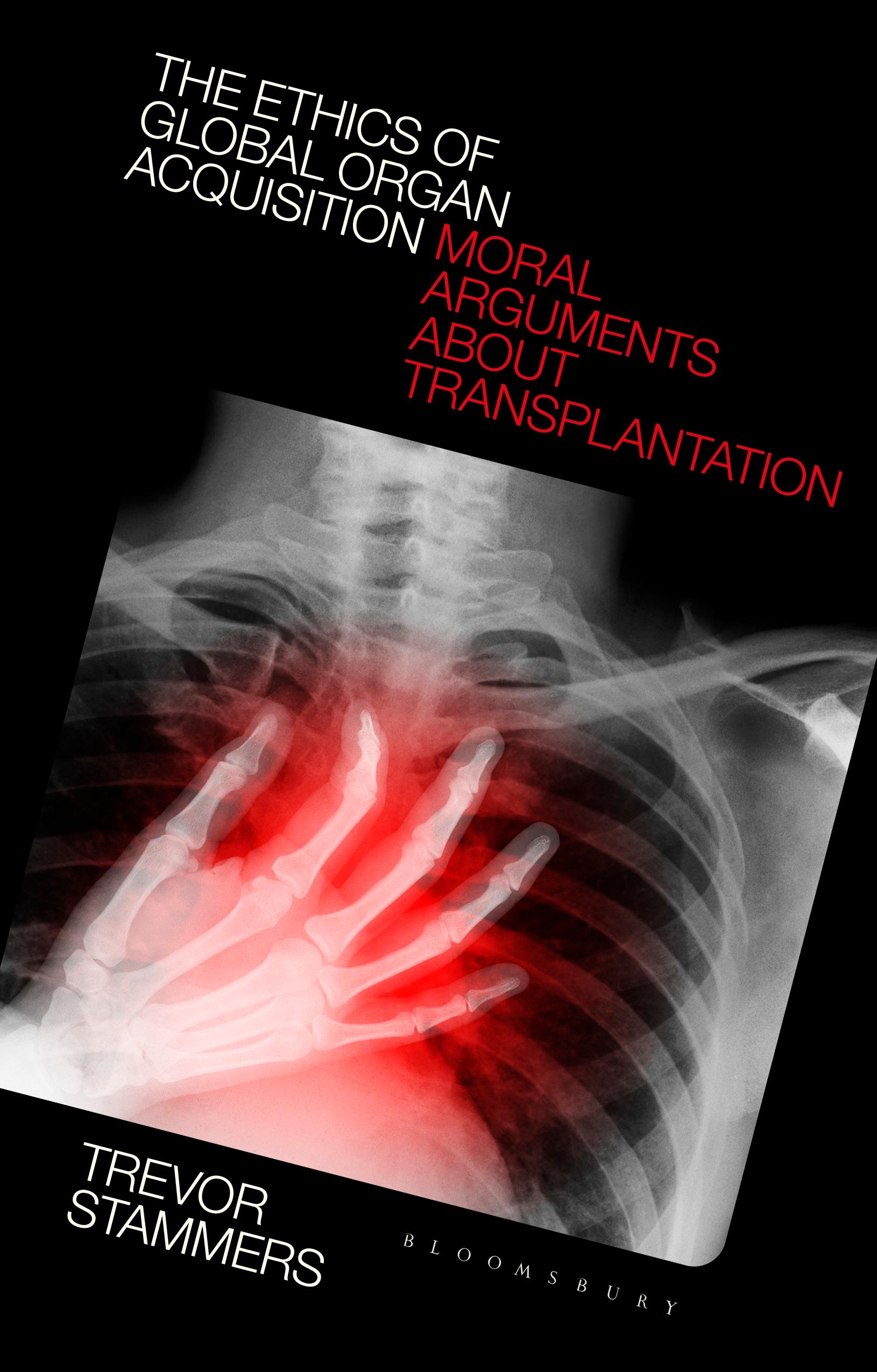
As the demand for organs continues to outstrip availability and waiting lists surge, the pressure to make morally questionable, unethical decisions becomes more likely and trust in transplant medicine starts to erode. Medical ethics expert and former health professional, Trevor Stammers, analyses the complex ethical web that constitutes the worldwide exchange of organs and tissues.
Key philosophical questions concerning existence, consciousness, the nature of death and the right to life connect organ donation and transplantation to real-life case studies exploring difficulties with the 'dead donor rule' for deceased donation, organ donation euthanasia, xenotransplantation and the creation of organoids and 'organs-on-chips', alongside examples of human trafficking and systematic state murder to provide organs. Controversial cases from Japan, Germany, USA and Singapore are examined alongside the Spanish, Welsh, and Chilean experience of deceased donation opt-out schemes to highlight the variety of threats and challenges to public trust in transplant medicine.
Charting these examples provides valuable material for debates and discussions in the philosophy of medicine and medical ethics more generally. Stammers suggests viable alternatives to current ethical failings by focusing on the moral arguments that define public trust, moving the debate on transplant ethics in vital new directions.
Key philosophical questions concerning existence, consciousness, the nature of death and the right to life connect organ donation and transplantation to real-life case studies exploring difficulties with the 'dead donor rule' for deceased donation, organ donation euthanasia, xenotransplantation and the creation of organoids and 'organs-on-chips', alongside examples of human trafficking and systematic state murder to provide organs. Controversial cases from Japan, Germany, USA and Singapore are examined alongside the Spanish, Welsh, and Chilean experience of deceased donation opt-out schemes to highlight the variety of threats and challenges to public trust in transplant medicine.
Charting these examples provides valuable material for debates and discussions in the philosophy of medicine and medical ethics more generally. Stammers suggests viable alternatives to current ethical failings by focusing on the moral arguments that define public trust, moving the debate on transplant ethics in vital new directions.
Betal nemt med kort, Klarna, Apple Pay eller Google Pay. Ikke tilfreds? Du har altid 14 dages fortrydelsesret. Læs mere i vores vilkår. Har du spørgsmål, så send os en mail på hello@memmo.org.
Memmo gør det nemmere at studere – uanset hvor du er i verden. Hos os samler du dine kursusbøger og smarte studieværktøjer ét sted: resuméer, quizzer, podcasts og flashcards. Og så er der Ted, din studieven, der svarer på alt, du undrer dig over. Over 50 000 studerende studerer allerede her – bygget til at hjælpe dig med at lære hurtigere og stresse mindre.