
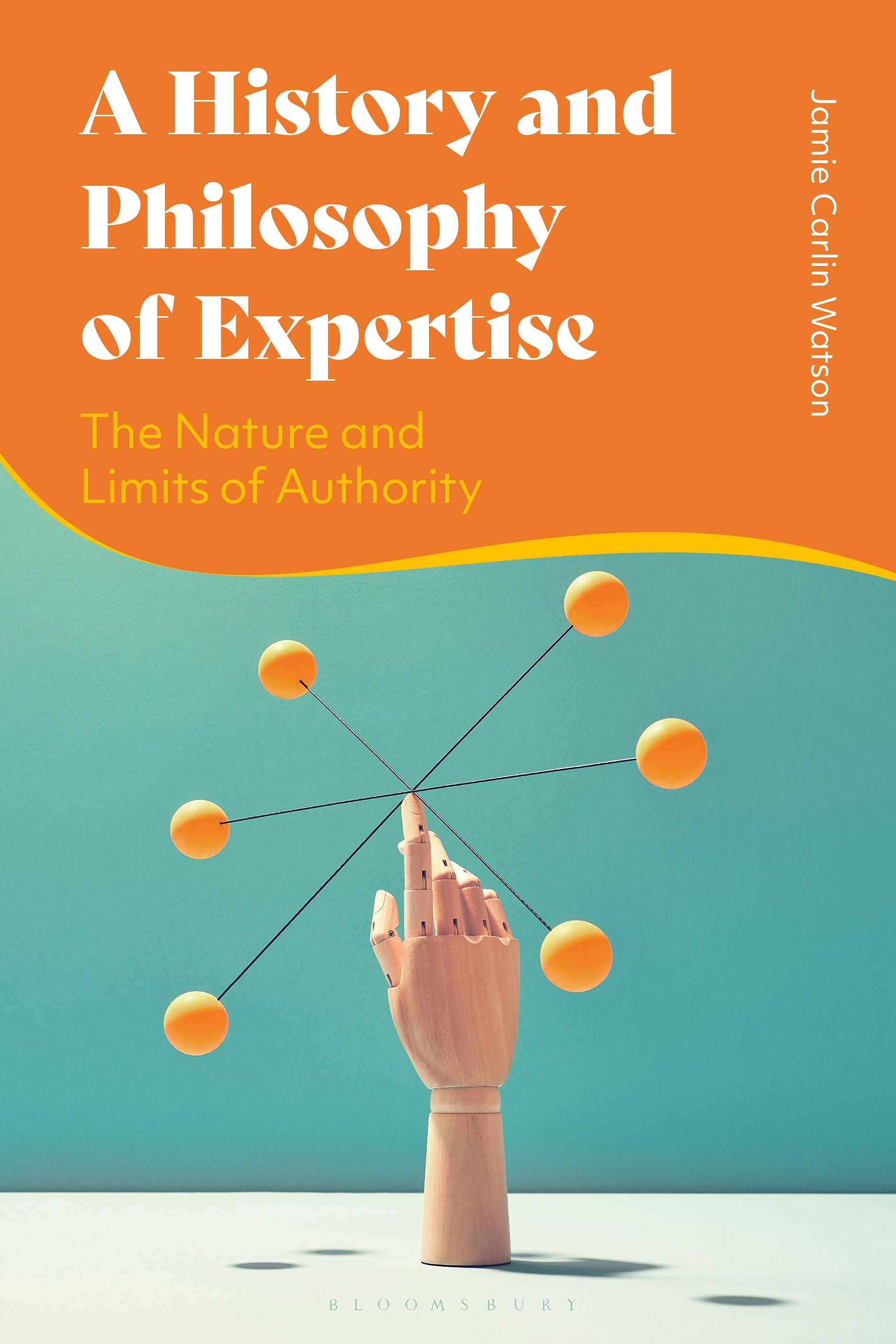
In this comprehensive tour of the long history and philosophy of expertise, from ancient Greece to the 20th century, Jamie Carlin Watson tackles the question of expertise and why we can be skeptical of what experts say, making a valuable contribution to contemporary philosophical debates on authority, testimony, disagreement and trust.
His review sketches out the ancient origins of the concept, discussing its early association with cunning, skill and authority and covering the sort of training that ancient thinkers believed was required for expertise. Watson looks at the evolution of the expert in the middle ages into a type of “genius” or “innate talent” , moving to the role of psychological research in 16th-century Germany, the influence of Darwin, the impact of behaviorism and its interest to computer scientists, and its transformation into the largely cognitive concept psychologists study today.
His review sketches out the ancient origins of the concept, discussing its early association with cunning, skill and authority and covering the sort of training that ancient thinkers believed was required for expertise. Watson looks at the evolution of the expert in the middle ages into a type of “genius” or “innate talent” , moving to the role of psychological research in 16th-century Germany, the influence of Darwin, the impact of behaviorism and its interest to computer scientists, and its transformation into the largely cognitive concept psychologists study today.
Betal nemt med kort, Klarna, Apple Pay eller Google Pay. Ikke tilfreds? Du har altid 14 dages fortrydelsesret. Læs mere i vores vilkår. Har du spørgsmål, så send os en mail på hello@memmo.org.
Memmo gør det nemmere at studere – uanset hvor du er i verden. Hos os samler du dine kursusbøger og smarte studieværktøjer ét sted: resuméer, quizzer, podcasts og flashcards. Og så er der Ted, din studieven, der svarer på alt, du undrer dig over. Over 50 000 studerende studerer allerede her – bygget til at hjælpe dig med at lære hurtigere og stresse mindre.