
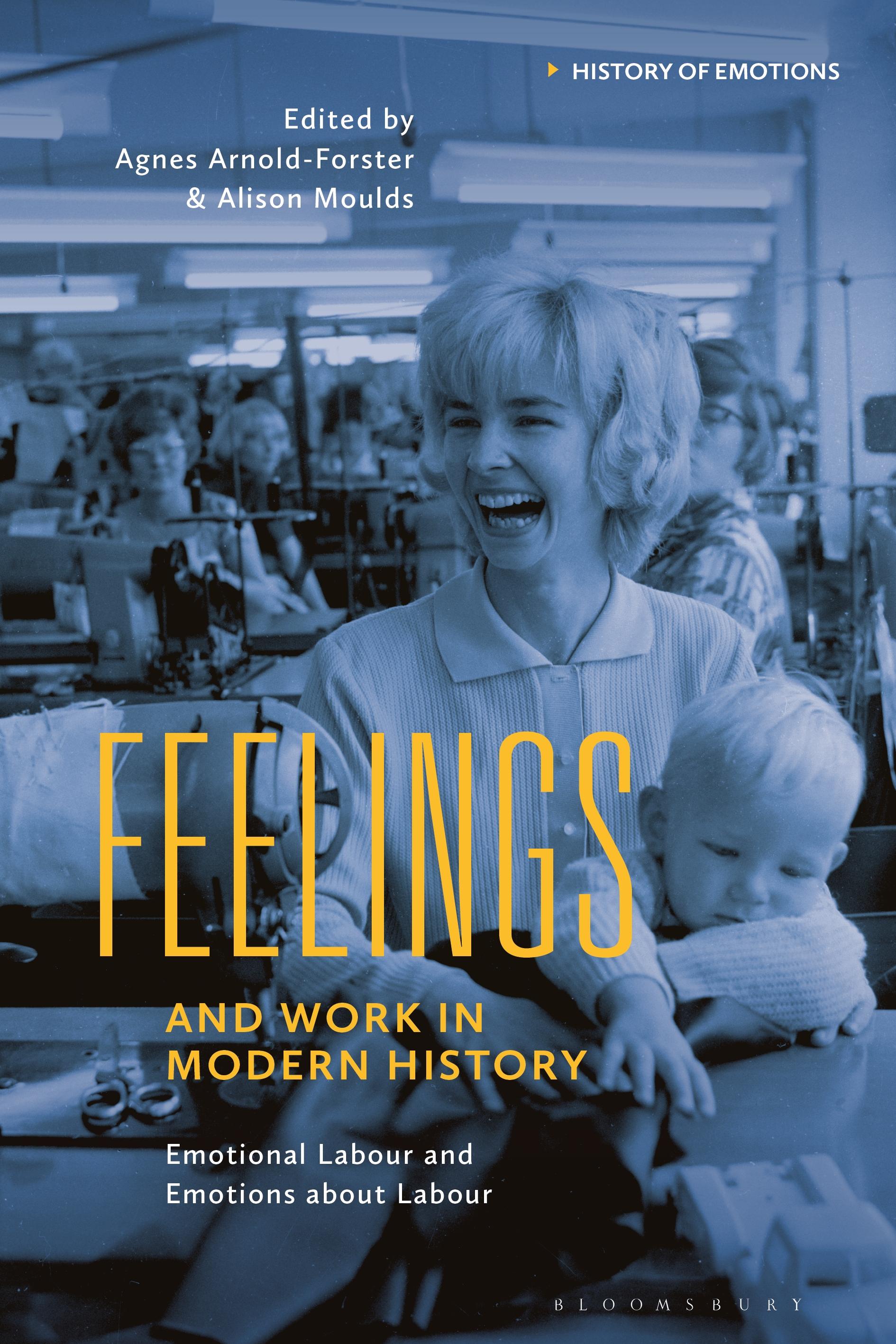
Work in all its guises is a fundamental part of the human experience, and yet it is a setting where emotions rarely take centre stage. This edited collection interrogates the troubled relationship between emotion and work to shed light on the feelings and meanings of both paid and unpaid labour from the late 19th to the 21st century.
Central to this book is a reappraisal of 'emotional labour', now associated with the household and 'life admin' work largely undertaken by women and which reflects and perpetuates gender inequalities. Critiquing this term, and the history of how work has made us feel, Feelings and Work in Modern History explores the changing values we have ascribed to our labour, examines the methods deployed by workplaces to manage or 'administrate' our emotions, and traces feelings through 19th, 20th and 21st century Europe, Asia and South America.
Exploring the damages wrought to physical and emotional health by certain workplaces and practices, critiquing the pathologisation of some emotional responses to work, and acknowledging the joy and meaning people derive from their labour, this book appraises the notion of 'work-life balance', explores the changing notions of professionalism and critically engages with the history of capitalism and neo-liberalism. In doing so, it interrogates the lasting impact of some of these histories on the current and future emotional landscape of labour.
Central to this book is a reappraisal of 'emotional labour', now associated with the household and 'life admin' work largely undertaken by women and which reflects and perpetuates gender inequalities. Critiquing this term, and the history of how work has made us feel, Feelings and Work in Modern History explores the changing values we have ascribed to our labour, examines the methods deployed by workplaces to manage or 'administrate' our emotions, and traces feelings through 19th, 20th and 21st century Europe, Asia and South America.
Exploring the damages wrought to physical and emotional health by certain workplaces and practices, critiquing the pathologisation of some emotional responses to work, and acknowledging the joy and meaning people derive from their labour, this book appraises the notion of 'work-life balance', explores the changing notions of professionalism and critically engages with the history of capitalism and neo-liberalism. In doing so, it interrogates the lasting impact of some of these histories on the current and future emotional landscape of labour.
Betal nemt med kort, Klarna, Apple Pay eller Google Pay. Ikke tilfreds? Du har altid 14 dages fortrydelsesret. Læs mere i vores vilkår. Har du spørgsmål, så send os en mail på hello@memmo.org.
Memmo gør det nemmere at studere – uanset hvor du er i verden. Hos os samler du dine kursusbøger og smarte studieværktøjer ét sted: resuméer, quizzer, podcasts og flashcards. Og så er der Ted, din studieven, der svarer på alt, du undrer dig over. Over 50 000 studerende studerer allerede her – bygget til at hjælpe dig med at lære hurtigere og stresse mindre.