
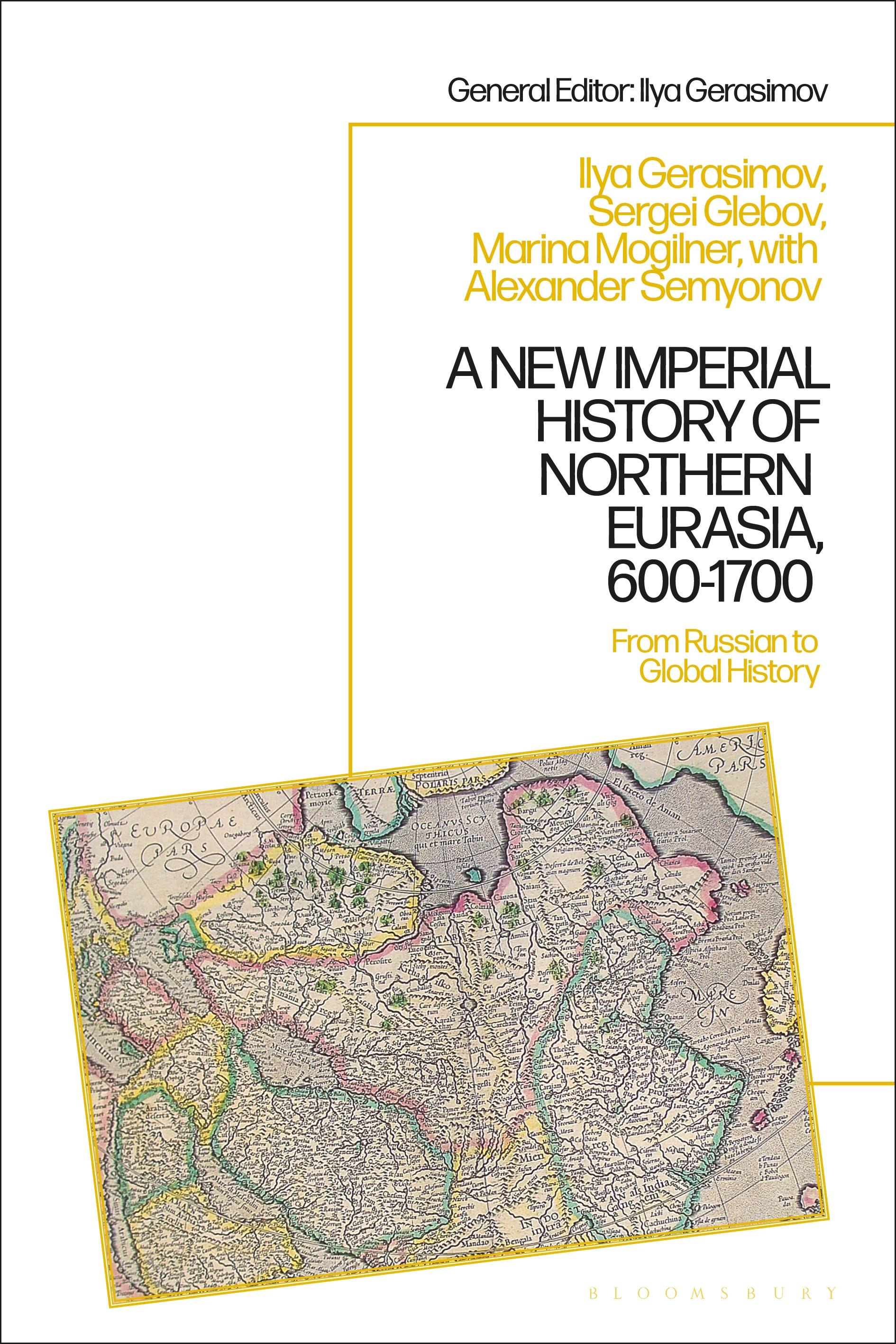
A New Imperial History of Northern Eurasia, 600-1700 proposes a new language for studying and conceptualizing the spaces, societies, and institutions that existed on the territory of today's Northern Eurasia. This is not the story of a certain present-day state or people evolving through consecutive historical stages. Rather, the book is a modern analytical approach to the problem of human diversity as a fundamental social condition. Through cooperation and confrontation, various attempts to manage diversity fostered processes of societal self-organization, as new ideas, practices, and institutions were developed virtually from scratch or radically altered. Essentially, this is the story of individuals and societies creatively responding to their natural and social environments in unique historical circumstances.
This volume explores how the mutual interactions of several local socio-political arrangements, and attempts to integrate with one of the universal cultures of the time, caused a string of unintended consequences. As a result, the enormous landmass from the Carpathian Mountains in the west to the Pacific Ocean in the east, from the Polar Circle in the north to the steppe belt in the south was divided among several regional powers. Ultimately unable to overtake each other by military force, they were locked in a zero-sum game until the uneven development of modern state institutions tilted the balance in favor of one of them – Russia.
This volume explores how the mutual interactions of several local socio-political arrangements, and attempts to integrate with one of the universal cultures of the time, caused a string of unintended consequences. As a result, the enormous landmass from the Carpathian Mountains in the west to the Pacific Ocean in the east, from the Polar Circle in the north to the steppe belt in the south was divided among several regional powers. Ultimately unable to overtake each other by military force, they were locked in a zero-sum game until the uneven development of modern state institutions tilted the balance in favor of one of them – Russia.
Betal nemt med kort, Klarna, Apple Pay eller Google Pay. Ikke tilfreds? Du har altid 14 dages fortrydelsesret. Læs mere i vores vilkår. Har du spørgsmål, så send os en mail på hello@memmo.org.
Memmo gør det nemmere at studere – uanset hvor du er i verden. Hos os samler du dine kursusbøger og smarte studieværktøjer ét sted: resuméer, quizzer, podcasts og flashcards. Og så er der Ted, din studieven, der svarer på alt, du undrer dig over. Over 50 000 studerende studerer allerede her – bygget til at hjælpe dig med at lære hurtigere og stresse mindre.