
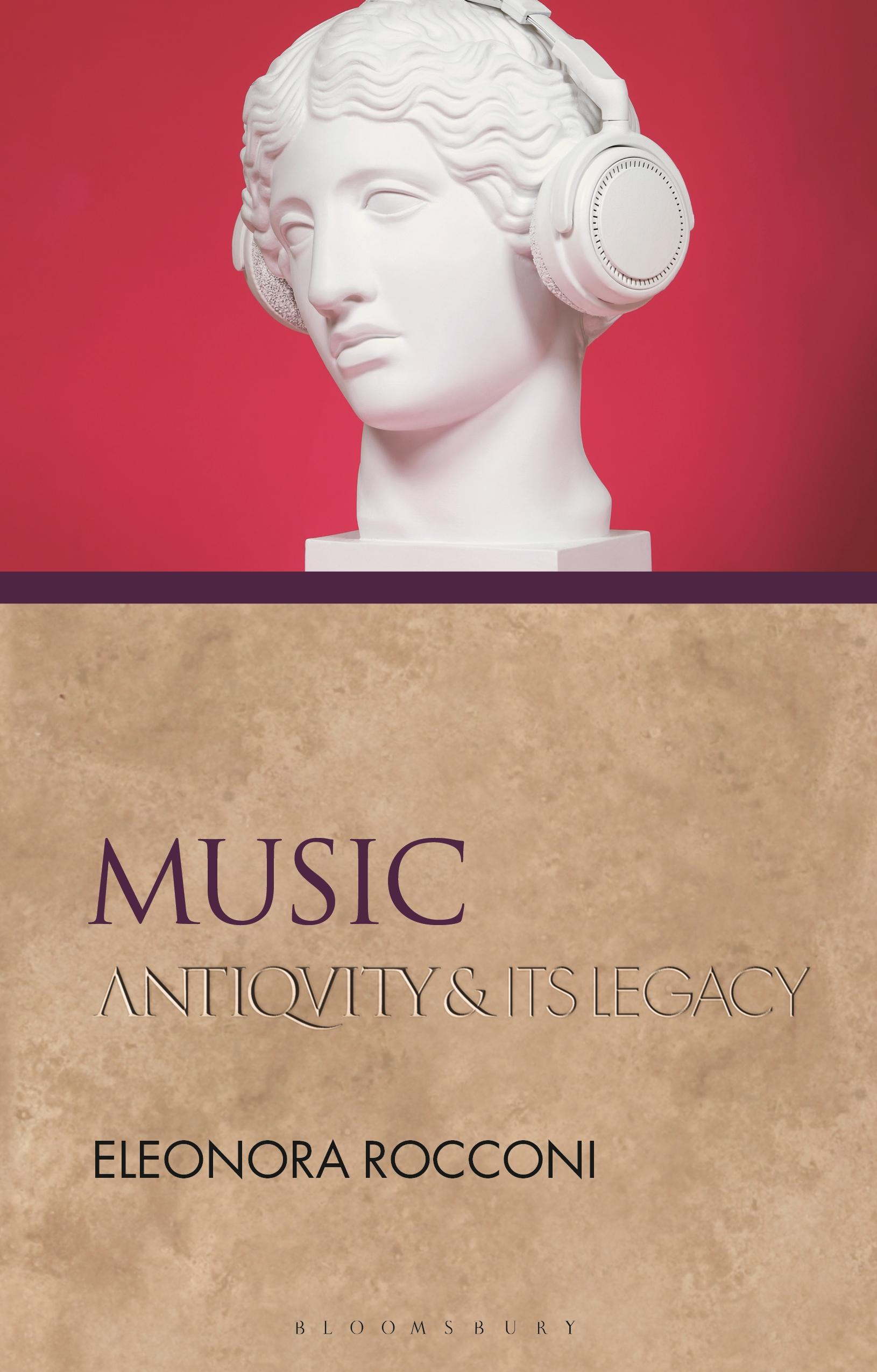
This book explores the pivotal role played by ancient mousike-in all its facets-in the development of musical practices and ideas throughout history. Since antiquity, music has consistently played a significant role in social and cultural life, and although the terms in which it is expressed and the cultural meanings it conveys vary dramatically across different times and geographies, the influence of the ancient Greek concept on modern Western notions is nevertheless striking.
In a series of lucid and engaging thematic chapters, Eleonora Rocconi surveys the roles and functions of music from classical antiquity, through the Renaissance and early modern eras, and up to the present day. The discussion is structured around the key concepts, theoretical models, and aesthetic issues at play - from the educational and therapeutic value of music to its place in the ideal of cosmic harmony and its relationship to the senses and emotions - as well as the function of music in debates around individual and cultural identity. What emerges is a timely reassessment of the paradigmatic value of the Greek model in the musical reception of antiquity in different historical periods. It highlights the ongoing contribution of mousike to modern cultural debates within the realms of classics, musicology, philosophy, aesthetics, anthropology, performance, and cultural studies, as well as in artistic environments, and offers a clear and comprehensive account of its inexhaustible source of inspiration for musicians, theorists, scholars, and antiquarians across the centuries.
In a series of lucid and engaging thematic chapters, Eleonora Rocconi surveys the roles and functions of music from classical antiquity, through the Renaissance and early modern eras, and up to the present day. The discussion is structured around the key concepts, theoretical models, and aesthetic issues at play - from the educational and therapeutic value of music to its place in the ideal of cosmic harmony and its relationship to the senses and emotions - as well as the function of music in debates around individual and cultural identity. What emerges is a timely reassessment of the paradigmatic value of the Greek model in the musical reception of antiquity in different historical periods. It highlights the ongoing contribution of mousike to modern cultural debates within the realms of classics, musicology, philosophy, aesthetics, anthropology, performance, and cultural studies, as well as in artistic environments, and offers a clear and comprehensive account of its inexhaustible source of inspiration for musicians, theorists, scholars, and antiquarians across the centuries.
Betal nemt med kort, Klarna, Apple Pay eller Google Pay. Ikke tilfreds? Du har altid 14 dages fortrydelsesret. Læs mere i vores vilkår. Har du spørgsmål, så send os en mail på hello@memmo.org.
Memmo gør det nemmere at studere – uanset hvor du er i verden. Hos os samler du dine kursusbøger og smarte studieværktøjer ét sted: resuméer, quizzer, podcasts og flashcards. Og så er der Ted, din studieven, der svarer på alt, du undrer dig over. Over 50 000 studerende studerer allerede her – bygget til at hjælpe dig med at lære hurtigere og stresse mindre.