
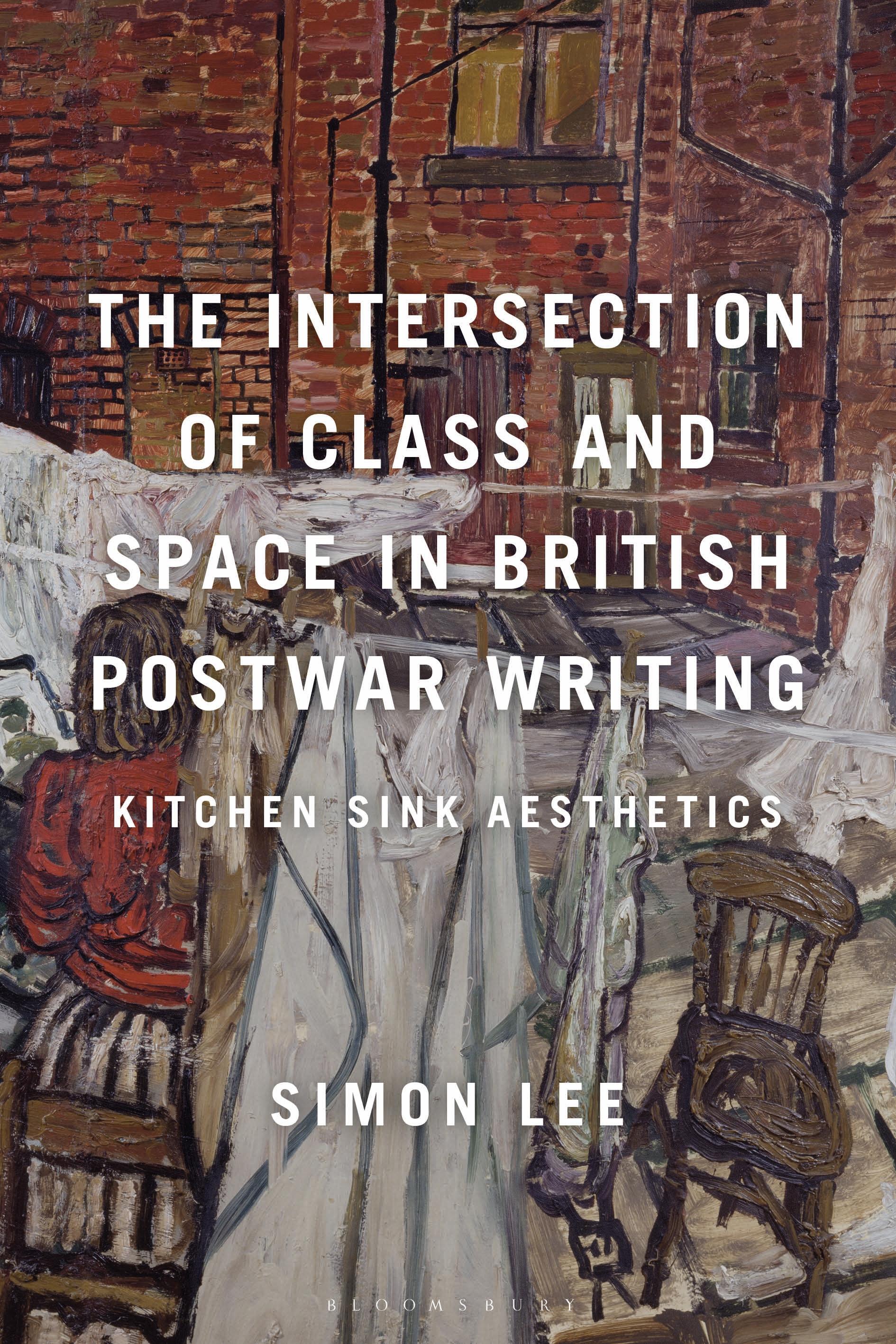
Centering on the British kitchen sink realism movement of the late 1950s and early 1960s, specifically its documentation of the built environment's influence on class consciousness, this book highlights the settings of a variety of novels, plays, and films, turning to archival research to offer new ways of thinking about how spatial representation in cultural production sustains or intervenes in the process of social stratification.
As a movement that used gritty, documentary-style depictions of space to highlight the complexities of working-class life, the period's texts chronicled shifts in the social and topographic landscape while advancing new articulations of citizenship in response to the failures of post-war reconstruction. By exploring the impact of space on class, this book addresses the contention that critical discourse has overlooked the way the built environment informs class identity.
As a movement that used gritty, documentary-style depictions of space to highlight the complexities of working-class life, the period's texts chronicled shifts in the social and topographic landscape while advancing new articulations of citizenship in response to the failures of post-war reconstruction. By exploring the impact of space on class, this book addresses the contention that critical discourse has overlooked the way the built environment informs class identity.
Betal nemt med kort, Klarna, Apple Pay eller Google Pay. Ikke tilfreds? Du har altid 14 dages fortrydelsesret. Læs mere i vores vilkår. Har du spørgsmål, så send os en mail på hello@memmo.org.
Memmo gør det nemmere at studere – uanset hvor du er i verden. Hos os samler du dine kursusbøger og smarte studieværktøjer ét sted: resuméer, quizzer, podcasts og flashcards. Og så er der Ted, din studieven, der svarer på alt, du undrer dig over. Over 50 000 studerende studerer allerede her – bygget til at hjælpe dig med at lære hurtigere og stresse mindre.