
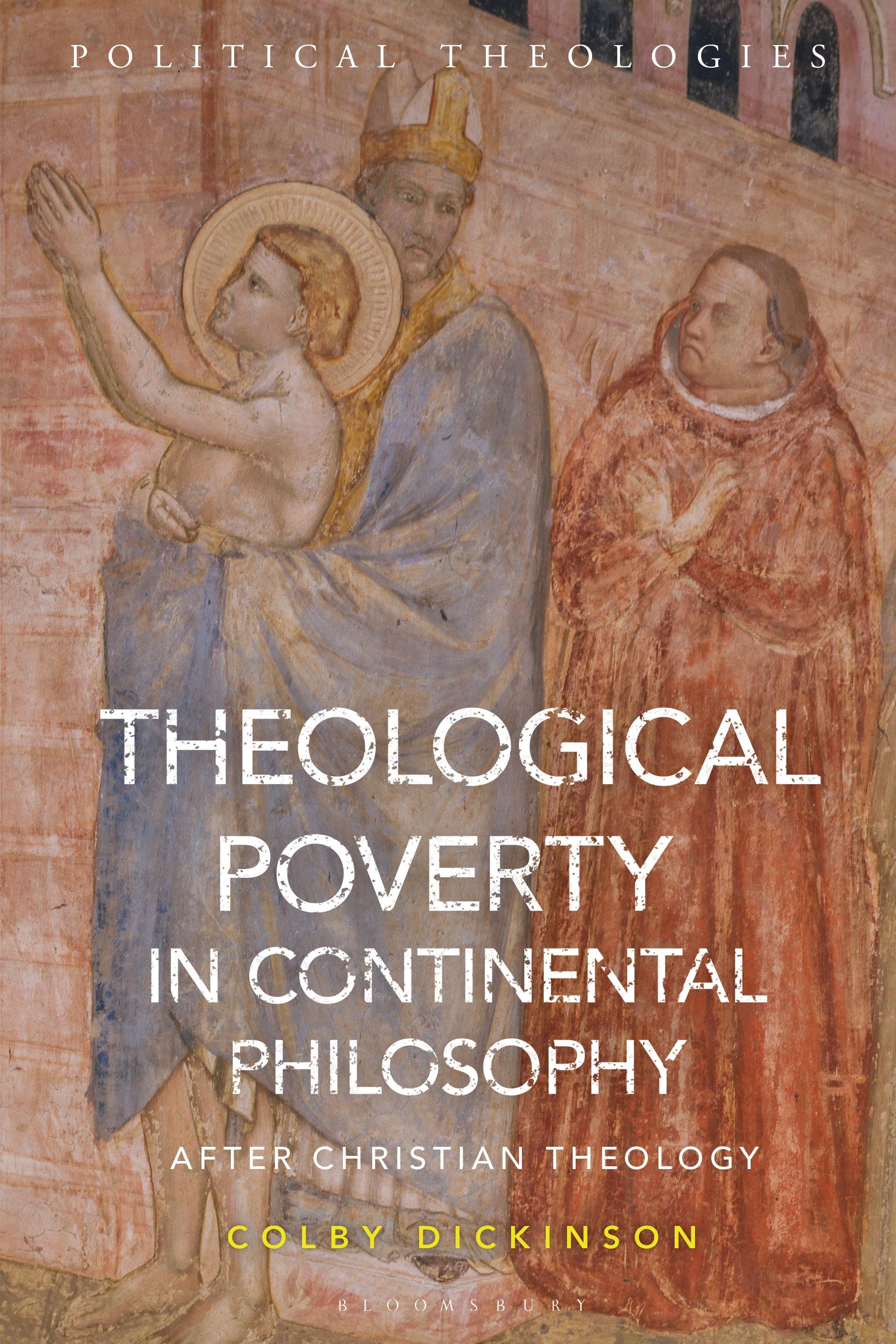
Colby Dickinson proposes a new political theology rooted in the intersections between continental philosophy, heterodox theology, and orthodox theology. Moving beyond the idea that there is an irresolvable tension at the heart of theological discourse, the conflict between the two poles of theology is made intelligible. Dickinson discusses the opposing poles simply as manifestations of reform and revolution, characteristics intrinsic to the nature of theological discourse itself. Outlining the illuminating space of theology, Theological Poverty in Continental Philosophy breaks new ground for critical theology and continental philosophy.
Within the theology of poverty, the believer renounces the worldly for the divine. Through this focus on the poverty intrinsic to religious calling, the potential for cross-pollination between the theological and the secular is highlighted. Ultimately situating the virtue of theological poverty within a poststructuralist, postmodern world, Dickinson is not content to position Christian philosophy as the superior theological position, moving away from the absolute values of one tradition over another.
This universalising of theological poverty through core and uniting concepts like grace, negation, violence and paradox reveal the theory's transmutable strength. By joining up critical theology and the philosophy of religion in this way, the book broadens the possibility of a critical dialogue both between and within disciplines.
Within the theology of poverty, the believer renounces the worldly for the divine. Through this focus on the poverty intrinsic to religious calling, the potential for cross-pollination between the theological and the secular is highlighted. Ultimately situating the virtue of theological poverty within a poststructuralist, postmodern world, Dickinson is not content to position Christian philosophy as the superior theological position, moving away from the absolute values of one tradition over another.
This universalising of theological poverty through core and uniting concepts like grace, negation, violence and paradox reveal the theory's transmutable strength. By joining up critical theology and the philosophy of religion in this way, the book broadens the possibility of a critical dialogue both between and within disciplines.
Betal nemt med kort, Klarna, Apple Pay eller Google Pay. Ikke tilfreds? Du har altid 14 dages fortrydelsesret. Læs mere i vores vilkår. Har du spørgsmål, så send os en mail på hello@memmo.org.
Memmo gør det nemmere at studere – uanset hvor du er i verden. Hos os samler du dine kursusbøger og smarte studieværktøjer ét sted: resuméer, quizzer, podcasts og flashcards. Og så er der Ted, din studieven, der svarer på alt, du undrer dig over. Over 50 000 studerende studerer allerede her – bygget til at hjælpe dig med at lære hurtigere og stresse mindre.