
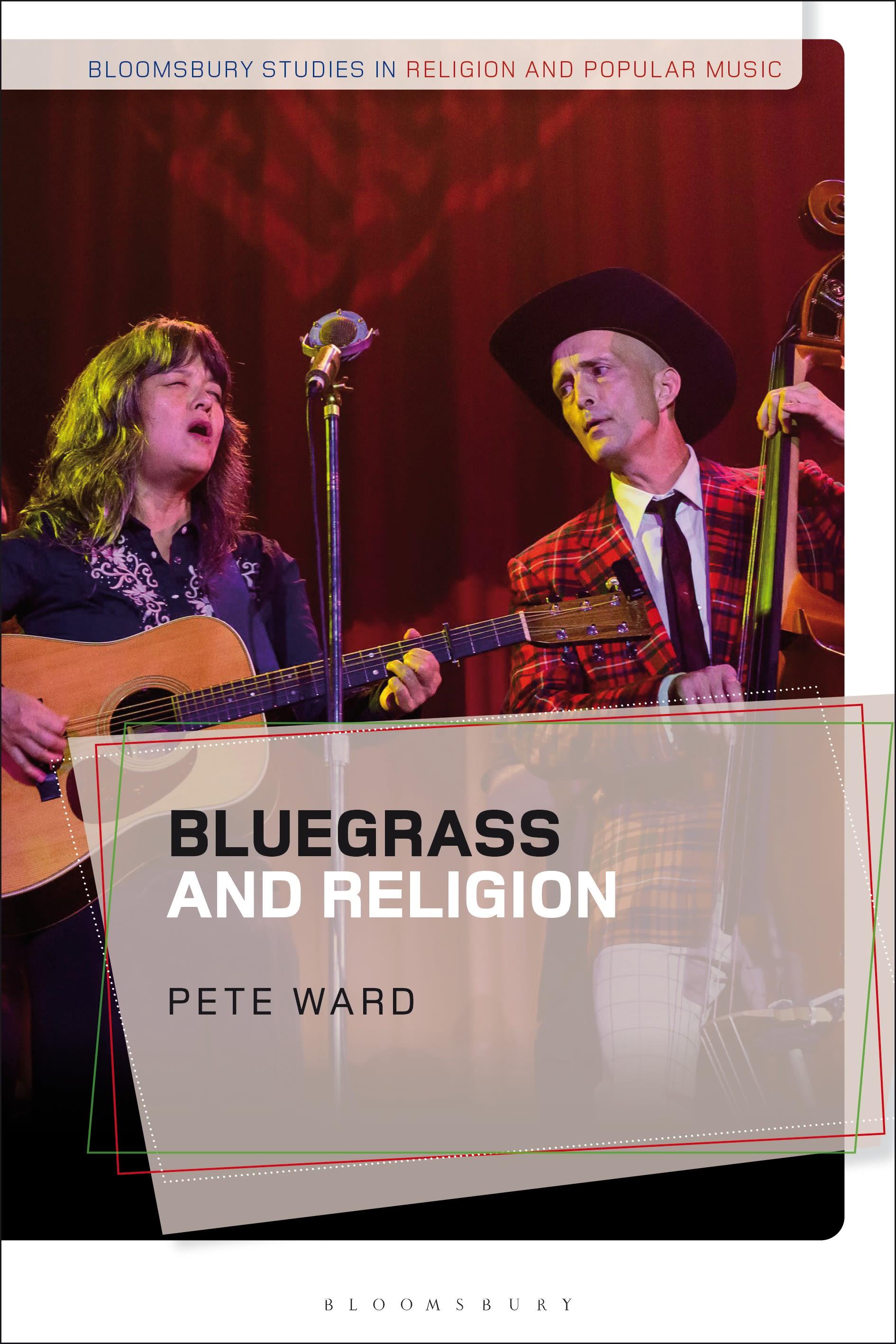
Tracking music that first arose from a close relationship to the religion of the American South, this book explores the ways in which they have taken on new meanings in a post-religious environment.
Divided into two parts, Pete Ward first gives a historical account of the relationship between old time and bluegrass music and religion. These chapters explore how bluegrass music has been shaped and influenced by Christian experience and practice. Drawing on archival research, the book connects findings around the music to research on and the development of evangelicalism into the 20th Century and reactions against belief that were common in the folk revival.
The second part of the book is based on ethnographic field work, from both the US and the UK, including textual analysis of songs and participant observation of concerts and interviews with performers. The differences of context between the US and the UK are considered as they relate to issues of post-Christian sensibilities and non-religion. A particular focus is how what were specifically Christian songs become relocated in a post-Christian environment. Pete Ward explores how bluegrass raises a number of troubling political issues, and what it means for the changing nature of the sacred and notions of non-religion. A key issue discussed is the continued significance of this music and why 'roots' or 'nostalgia' play a role and indeed how and why this might be the case in the UK as well as in the US.
Divided into two parts, Pete Ward first gives a historical account of the relationship between old time and bluegrass music and religion. These chapters explore how bluegrass music has been shaped and influenced by Christian experience and practice. Drawing on archival research, the book connects findings around the music to research on and the development of evangelicalism into the 20th Century and reactions against belief that were common in the folk revival.
The second part of the book is based on ethnographic field work, from both the US and the UK, including textual analysis of songs and participant observation of concerts and interviews with performers. The differences of context between the US and the UK are considered as they relate to issues of post-Christian sensibilities and non-religion. A particular focus is how what were specifically Christian songs become relocated in a post-Christian environment. Pete Ward explores how bluegrass raises a number of troubling political issues, and what it means for the changing nature of the sacred and notions of non-religion. A key issue discussed is the continued significance of this music and why 'roots' or 'nostalgia' play a role and indeed how and why this might be the case in the UK as well as in the US.
Betal nemt med kort, Klarna, Apple Pay eller Google Pay. Ikke tilfreds? Du har altid 14 dages fortrydelsesret. Læs mere i vores vilkår. Har du spørgsmål, så send os en mail på hello@memmo.org.
Memmo gør det nemmere at studere – uanset hvor du er i verden. Hos os samler du dine kursusbøger og smarte studieværktøjer ét sted: resuméer, quizzer, podcasts og flashcards. Og så er der Ted, din studieven, der svarer på alt, du undrer dig over. Over 50 000 studerende studerer allerede her – bygget til at hjælpe dig med at lære hurtigere og stresse mindre.