
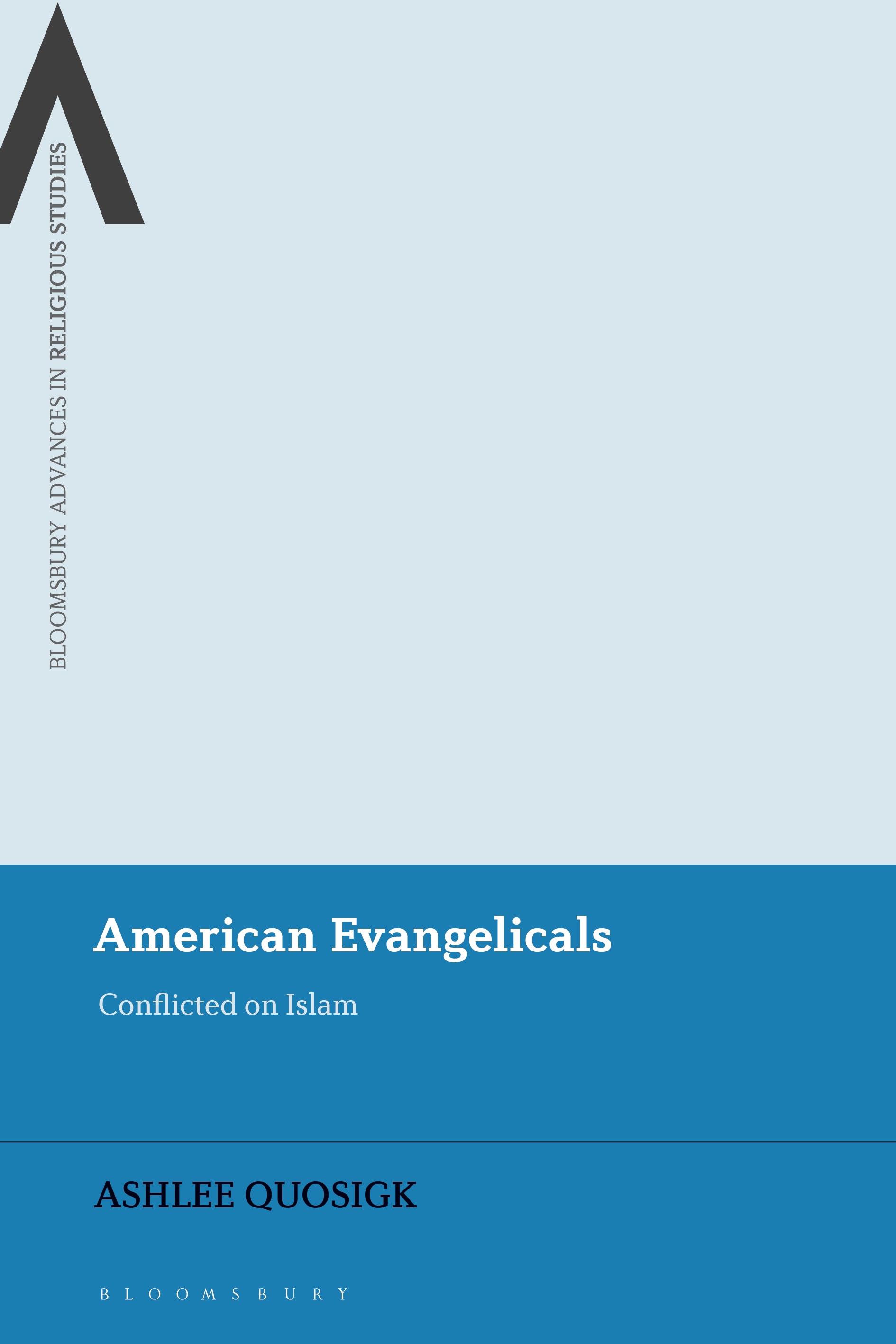
Ashlee Quosigk explores the diversity of opinions within the largest religious group in the US – Evangelical Christians – on the topic of Islam.
Evangelicals are often characterized as monolithically antagonistic toward Muslims. This book challenges that stereotype, exposing the sharp divides that exist among Evangelicals on Islam and examines why there is division. Drawing on qualitative research on two congregations in the US, as well as on popular Evangelical leaders, this book details the surprisingly diverse views Evangelicals hold on Muhammad, the Qur'an, interfaith dialogue, syncretism, and politics. This research is invaluable for providing a better understanding of what Evangelicals think, and why.
This book also offers insight into why conflict exists and why Evangelicals differ, while advancing culture war theory and qualitative methods. Specifically, it explores differences in moral authority (assumptions that guide one's perceptions of the world) among Evangelicals and explains how these differences influence their views on Islam. The findings are relevant to religious relations worldwide as everyone appeals to moral authority, irrespective of their geographic location.
Evangelicals are often characterized as monolithically antagonistic toward Muslims. This book challenges that stereotype, exposing the sharp divides that exist among Evangelicals on Islam and examines why there is division. Drawing on qualitative research on two congregations in the US, as well as on popular Evangelical leaders, this book details the surprisingly diverse views Evangelicals hold on Muhammad, the Qur'an, interfaith dialogue, syncretism, and politics. This research is invaluable for providing a better understanding of what Evangelicals think, and why.
This book also offers insight into why conflict exists and why Evangelicals differ, while advancing culture war theory and qualitative methods. Specifically, it explores differences in moral authority (assumptions that guide one's perceptions of the world) among Evangelicals and explains how these differences influence their views on Islam. The findings are relevant to religious relations worldwide as everyone appeals to moral authority, irrespective of their geographic location.
Sider: 256
Kategori: Religion & Teologi
e-ISBN: 9781350175600
Forsendelsesvægt: 1.2 kg
Sendes inden for: 1-2 dage
Betal nemt med kort, Klarna, Apple Pay eller Google Pay. Ikke tilfreds? Du har altid 14 dages fortrydelsesret. Læs mere i vores vilkår. Har du spørgsmål, så send os en mail på hello@memmo.org.
Memmo gør det nemmere at studere – uanset hvor du er i verden. Hos os samler du dine kursusbøger og smarte studieværktøjer ét sted: resuméer, quizzer, podcasts og flashcards. Og så er der Ted, din studieven, der svarer på alt, du undrer dig over. Over 50 000 studerende studerer allerede her – bygget til at hjælpe dig med at lære hurtigere og stresse mindre.