
Shortlisted for the Association of Dress Historians Book of the Year Award, 2024
In 2022, it was reported that plus-sizes accounted for nearly twenty percent of all women's apparel sales in the United States and was one of the industry's few growth sectors. For many, this news seemed to herald a remarkably inclusive turn for an industry that long bartered in exclusivity. Yet the recent success of plus-size fashion obscures a rather complicated history–one that can be traced back over a century, and which illuminates the fraught relationship between fashion, fat, and weight bias in American culture.
Although many regard fat as a malady of the present, in the early twentieth century it was estimated that more than one-third of American women classified as “overweight.” While modern weight bias had yet to fully cement itself in the American imaginary, the limitations of mass garment manufacturing coupled with the ascendent slender beauty ideal had already relegated larger women to fashion's peripheries. By 1915, however, fashion forecasters predicted that so-called “stoutwear” was well positioned to become one of the most lucrative subsectors of the burgeoning ready-to-wear trade. In the years that followed, stoutwear manufacturers set out to create more space for the fat woman in fashion but, in doing so, revealed an ancillary motivation: that of how to design fat out of existence altogether.
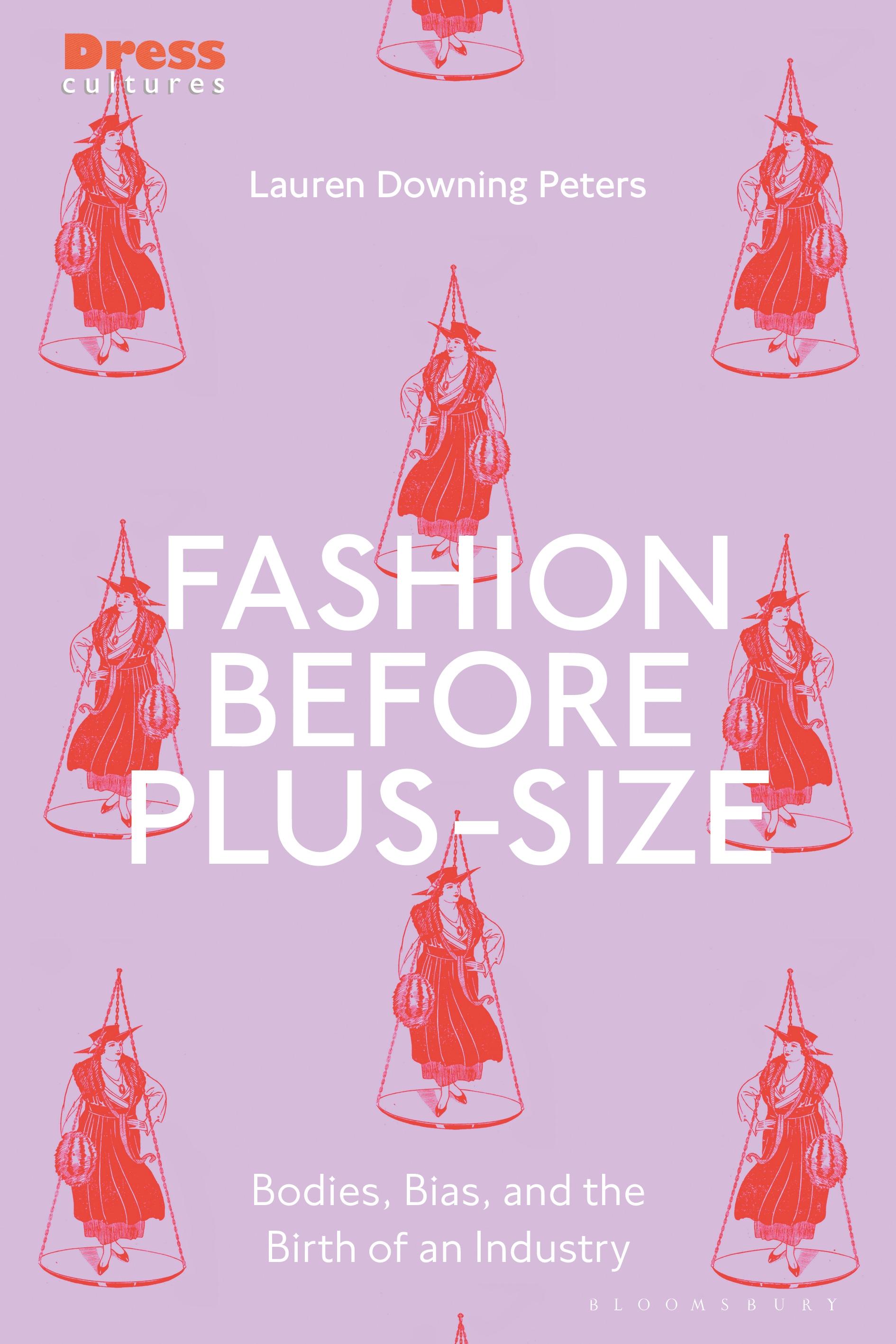
Fashion Before Plus-Size considers what came “before” plus-size fashion while also shedding new light on the ways that the fashion industry not only perpetuates but produces weight bias. By situating stoutwear at the confluence of mass manufacturing, beauty ideals, standardized sizing, health discourse, and consumer culture, this book exposes the flawed foundations upon which the contemporary plus-size fashion industry has been built.
In 2022, it was reported that plus-sizes accounted for nearly twenty percent of all women's apparel sales in the United States and was one of the industry's few growth sectors. For many, this news seemed to herald a remarkably inclusive turn for an industry that long bartered in exclusivity. Yet the recent success of plus-size fashion obscures a rather complicated history–one that can be traced back over a century, and which illuminates the fraught relationship between fashion, fat, and weight bias in American culture.
Although many regard fat as a malady of the present, in the early twentieth century it was estimated that more than one-third of American women classified as “overweight.” While modern weight bias had yet to fully cement itself in the American imaginary, the limitations of mass garment manufacturing coupled with the ascendent slender beauty ideal had already relegated larger women to fashion's peripheries. By 1915, however, fashion forecasters predicted that so-called “stoutwear” was well positioned to become one of the most lucrative subsectors of the burgeoning ready-to-wear trade. In the years that followed, stoutwear manufacturers set out to create more space for the fat woman in fashion but, in doing so, revealed an ancillary motivation: that of how to design fat out of existence altogether.
Fashion Before Plus-Size considers what came “before” plus-size fashion while also shedding new light on the ways that the fashion industry not only perpetuates but produces weight bias. By situating stoutwear at the confluence of mass manufacturing, beauty ideals, standardized sizing, health discourse, and consumer culture, this book exposes the flawed foundations upon which the contemporary plus-size fashion industry has been built.
Betal nemt med kort, Klarna, Apple Pay eller Google Pay. Ikke tilfreds? Du har altid 14 dages fortrydelsesret. Læs mere i vores vilkår. Har du spørgsmål, så send os en mail på hello@memmo.org.
Memmo gør det nemmere at studere – uanset hvor du er i verden. Hos os samler du dine kursusbøger og smarte studieværktøjer ét sted: resuméer, quizzer, podcasts og flashcards. Og så er der Ted, din studieven, der svarer på alt, du undrer dig over. Over 50 000 studerende studerer allerede her – bygget til at hjælpe dig med at lære hurtigere og stresse mindre.