
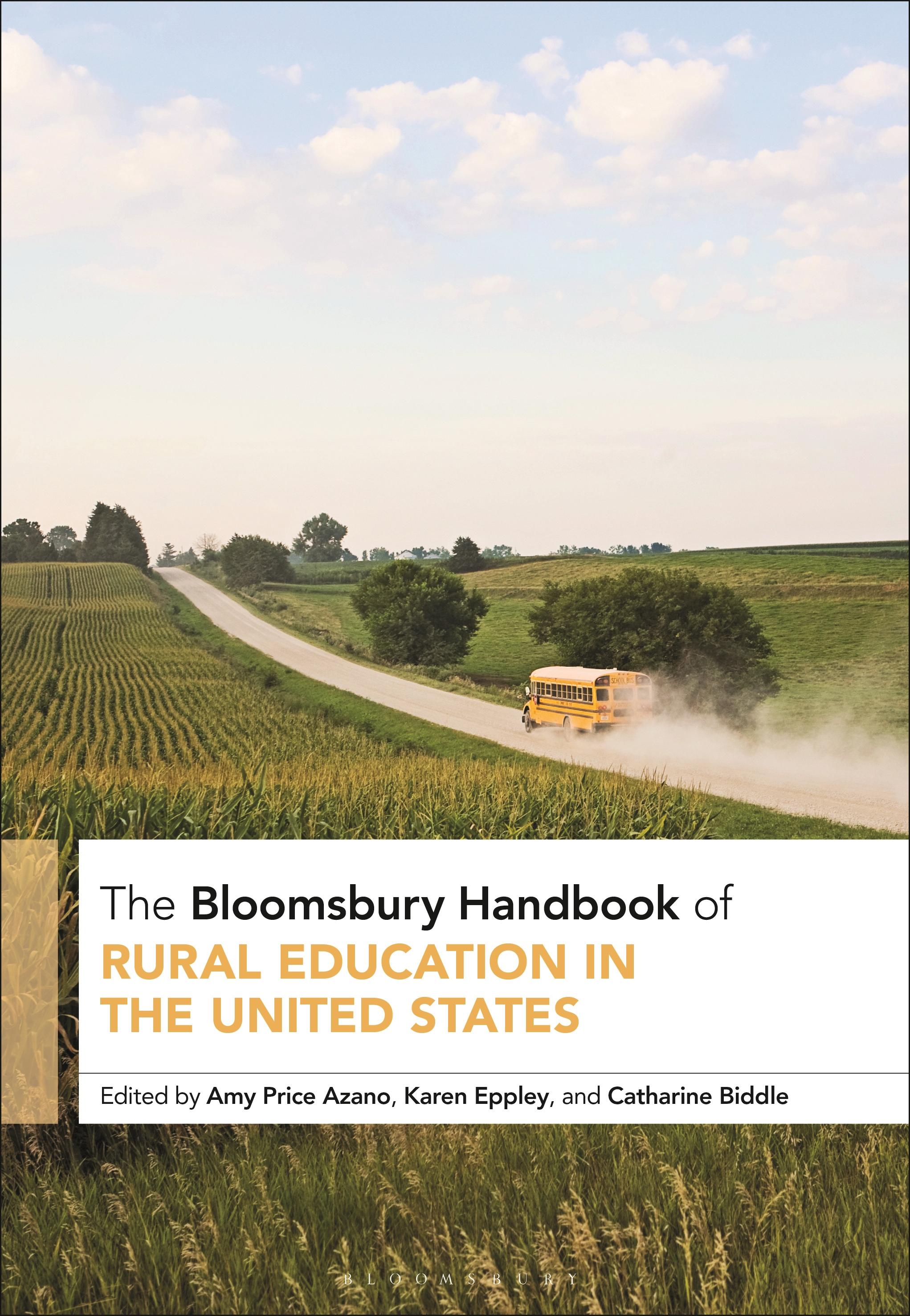
This handbook begins with a foundational overview of rural education, examining the ways in which definitions, histories, policies, and demographic changes influence rural schools. This foundational approach includes how corporatization, population changes, poverty, and the role of data affect everyday learning in rural schools. In following sections, the contributors consider how school closures, charter schools, and district governance influence decision making in rural schooling, while also examining the influence of these structures on higher education attainment, rural school partnerships, and school leadership. They explore curriculum studies in rural education, including place-based and trauma-informed pedagogies, rural literacies, rural stereotype threat, and achievement. Finally, they engage with issues of identity and equity in rural schools by providing an overview of the literature related to diverse populations in rural places, including Indigenous, Black, and Latinx communities, and exceptional learners. Importantly, this handbook applies theoretical tools to rural classroom experiences, demonstrating the potential of work centered at the intersection of theory, rurality, and classroom practice. Each section concludes with a response by an international scholar, situating the topics covered within the broader global context.
Betal nemt med kort, Klarna, Apple Pay eller Google Pay. Ikke tilfreds? Du har altid 14 dages fortrydelsesret. Læs mere i vores vilkår. Har du spørgsmål, så send os en mail på hello@memmo.org.
Memmo gør det nemmere at studere – uanset hvor du er i verden. Hos os samler du dine kursusbøger og smarte studieværktøjer ét sted: resuméer, quizzer, podcasts og flashcards. Og så er der Ted, din studieven, der svarer på alt, du undrer dig over. Over 50 000 studerende studerer allerede her – bygget til at hjælpe dig med at lære hurtigere og stresse mindre.