
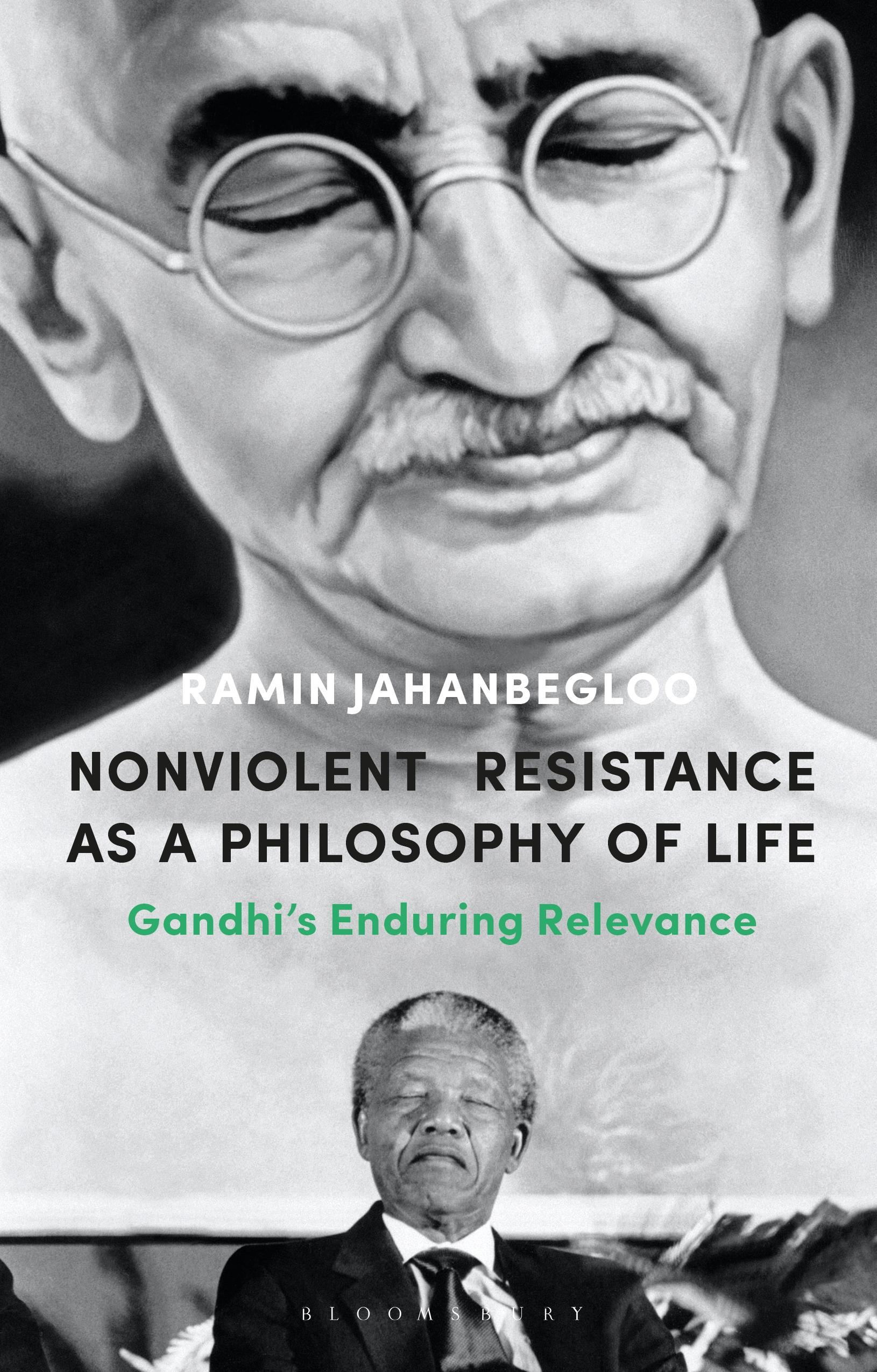
What do we mean by nonviolence? What can nonviolence achieve? Are there limits to nonviolence and, if so, what are they? These are the questions the Iranian political philosopher and activist Ramin Jahanbegloo tackles in his journey through the major political advocates of nonviolence during the 20th century.
While nonviolent resistance has accompanied human culture from its earliest beginnings, and representations of nonviolence in Eastern religions like Jainism, Buddhism and Hinduism are ubiquitous, it is only in 20th century that it emerged as a major preoccupation of figures such as Gandhi, Martin Luther King Jr., Nelson Mandela, Mother Teresa and Václav Havel. Focusing on examples of their way of thinking in different cultural, geographic and political contexts, from the Indian Independence Movement and US Civil rights and Anti-Apartheid movement to the Velvet Revolution in Czechoslovakia and nonviolent protests in Tunisia, Iran, Serbia and Hong-Kong, Jahanbegloo explores why nonviolence remains relevant as a form of resistance against injustice and oppression around the world.
With balanced readings of central players and events, this comparative study of a pivotal form of resistance written by accomplished scholar of Gandhi presents convincing reasons to commit to nonviolence, reminding us why it matters to the development of contemporary political thought.
While nonviolent resistance has accompanied human culture from its earliest beginnings, and representations of nonviolence in Eastern religions like Jainism, Buddhism and Hinduism are ubiquitous, it is only in 20th century that it emerged as a major preoccupation of figures such as Gandhi, Martin Luther King Jr., Nelson Mandela, Mother Teresa and Václav Havel. Focusing on examples of their way of thinking in different cultural, geographic and political contexts, from the Indian Independence Movement and US Civil rights and Anti-Apartheid movement to the Velvet Revolution in Czechoslovakia and nonviolent protests in Tunisia, Iran, Serbia and Hong-Kong, Jahanbegloo explores why nonviolence remains relevant as a form of resistance against injustice and oppression around the world.
With balanced readings of central players and events, this comparative study of a pivotal form of resistance written by accomplished scholar of Gandhi presents convincing reasons to commit to nonviolence, reminding us why it matters to the development of contemporary political thought.
Betal nemt med kort, Klarna, Apple Pay eller Google Pay. Ikke tilfreds? Du har altid 14 dages fortrydelsesret. Læs mere i vores vilkår. Har du spørgsmål, så send os en mail på hello@memmo.org.
Memmo gør det nemmere at studere – uanset hvor du er i verden. Hos os samler du dine kursusbøger og smarte studieværktøjer ét sted: resuméer, quizzer, podcasts og flashcards. Og så er der Ted, din studieven, der svarer på alt, du undrer dig over. Over 50 000 studerende studerer allerede her – bygget til at hjælpe dig med at lære hurtigere og stresse mindre.