
Winner of the 2022 Ab Imperio Award
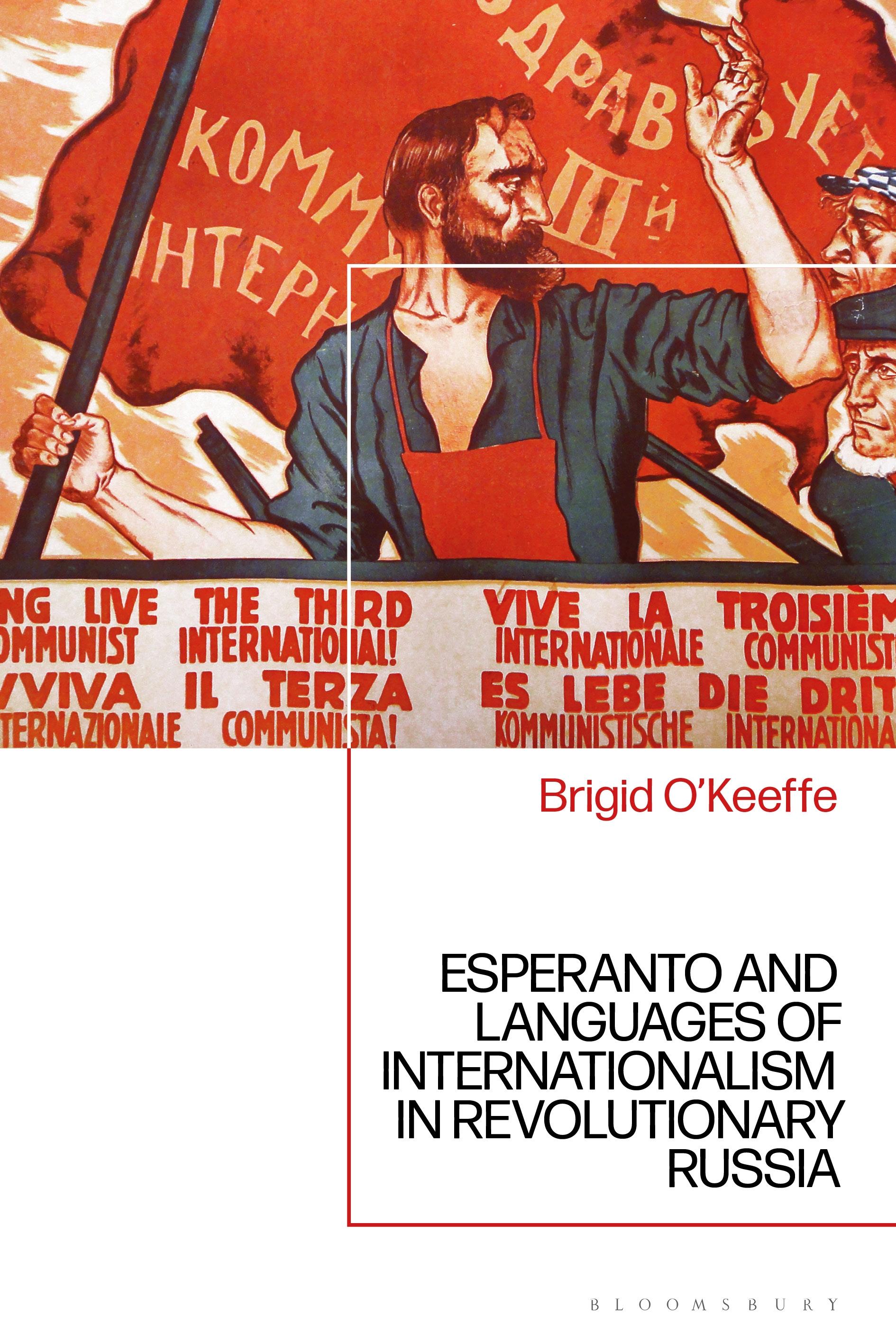
Hoping to unite all of humankind and revolutionize the world, Ludwik Zamenhof launched a new international language called Esperanto from late imperial Russia in 1887. Ordinary men and women in Russia and all over the world soon transformed Esperanto into a global movement. Esperanto and Languages of Internationalism in Revolutionary Russia traces the history and legacy of this effort: from Esperanto's roots in the social turmoil of the pre-revolutionary Pale of Settlement; to its links to socialist internationalism and Comintern bids for world revolution; and, finally, to the demise of the Soviet Esperanto movement in the increasingly xenophobic Stalinist 1930s. In doing so, this book reveals how Esperanto – and global language politics more broadly – shaped revolutionary and early Soviet Russia.
Based on extensive archival materials, Brigid O'Keeffe's book provides the first in-depth exploration of Esperanto at grassroots level and sheds new light on a hitherto overlooked area of Russian history. As such, Esperanto and Languages of Internationalism in Revolutionary Russia will be of immense value to both historians of modern Russia and scholars of internationalism, transnational networks, and sociolinguistics.
Hoping to unite all of humankind and revolutionize the world, Ludwik Zamenhof launched a new international language called Esperanto from late imperial Russia in 1887. Ordinary men and women in Russia and all over the world soon transformed Esperanto into a global movement. Esperanto and Languages of Internationalism in Revolutionary Russia traces the history and legacy of this effort: from Esperanto's roots in the social turmoil of the pre-revolutionary Pale of Settlement; to its links to socialist internationalism and Comintern bids for world revolution; and, finally, to the demise of the Soviet Esperanto movement in the increasingly xenophobic Stalinist 1930s. In doing so, this book reveals how Esperanto – and global language politics more broadly – shaped revolutionary and early Soviet Russia.
Based on extensive archival materials, Brigid O'Keeffe's book provides the first in-depth exploration of Esperanto at grassroots level and sheds new light on a hitherto overlooked area of Russian history. As such, Esperanto and Languages of Internationalism in Revolutionary Russia will be of immense value to both historians of modern Russia and scholars of internationalism, transnational networks, and sociolinguistics.
Betal nemt med kort, Klarna, Apple Pay eller Google Pay. Ikke tilfreds? Du har altid 14 dages fortrydelsesret. Læs mere i vores vilkår. Har du spørgsmål, så send os en mail på hello@memmo.org.
Memmo gør det nemmere at studere – uanset hvor du er i verden. Hos os samler du dine kursusbøger og smarte studieværktøjer ét sted: resuméer, quizzer, podcasts og flashcards. Og så er der Ted, din studieven, der svarer på alt, du undrer dig over. Over 50 000 studerende studerer allerede her – bygget til at hjælpe dig med at lære hurtigere og stresse mindre.