
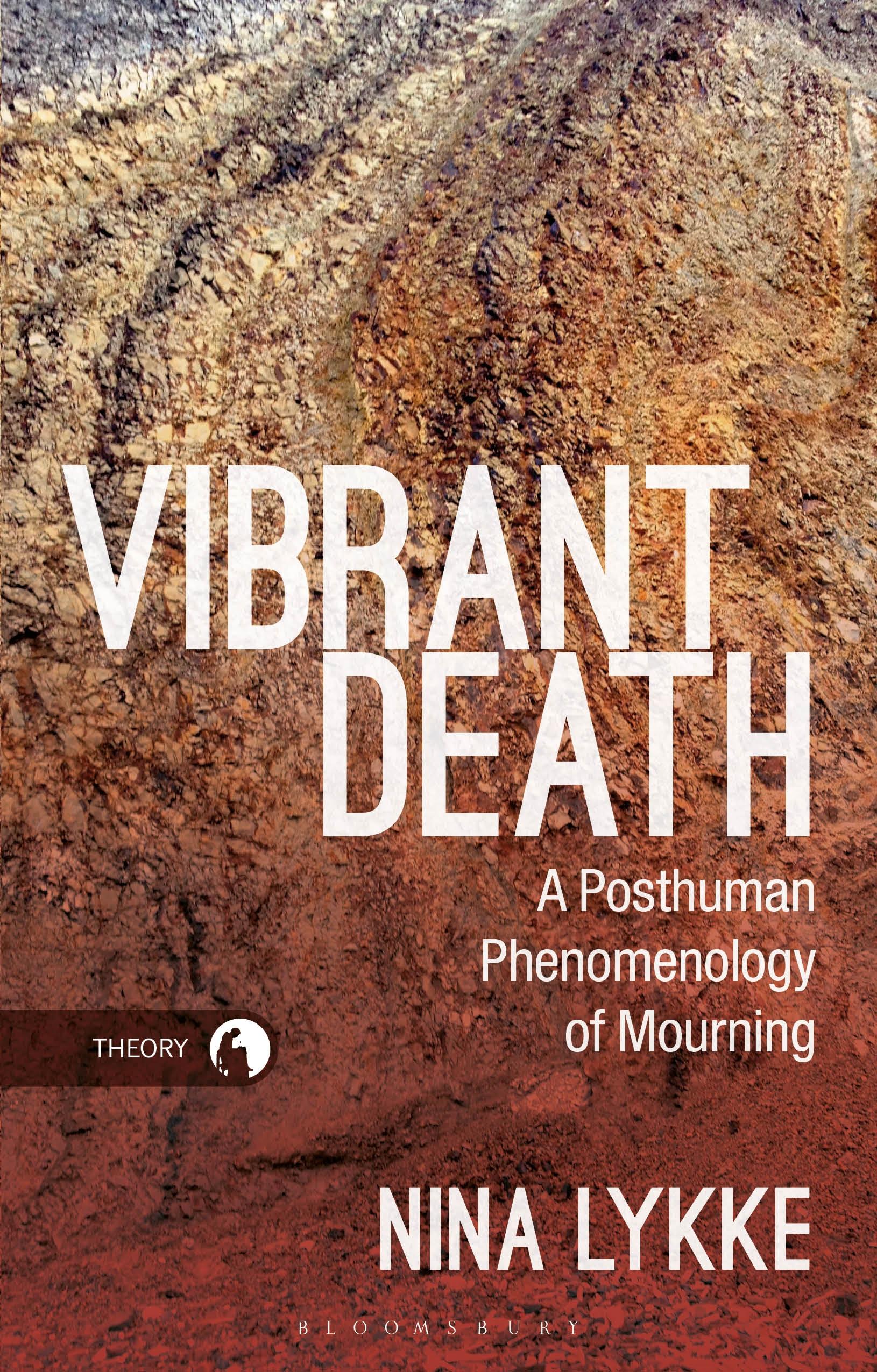
Vibrant Death links philosophy and poetry-based, corpo-affectively grounded knowledge seeking. It offers a radically new materialist theory of death, critically moving the philosophical argument beyond Christian and secular-mechanistic understandings. The book's ethico-political figuration of vibrant death is shaped through a pluriversal conversation between Deleuzean philosophy, neo-vitalist materialism and the spiritual materialism of decolonial, queerfeminist poet and scholar Gloria Anzaldua. The book's posthuman deexceptionalizing of human death unfurls together with a collection of poetry, and autobiographical stories. They are analysed through the lens of a posthuman, queerfeminist revision of the method of autophenomenography (phenomenological analysis of autobiographical material).
Nina Lykke explores the speaking position of a mourning, queerfeminine ”I”, who contemplates the relationship with her dead beloved lesbian life partner. She reflects on her enactment of processes of co-becoming with the phenomenal and material traces of the deceased body, and the new assemblages with which it has merged through death's material metamorphoses: becoming-ashes through cremation, and becoming-mixed-with-algae-sand when the ashes were scattered across a seabed made of fiftyfive million-year-old, fossilized algae. It is argued that the mourning “I”'s intimate bodily empathizing (theorized as symphysizing) with her deceased, queermasculine beloved life partner facilitates the processes of vitalist-material and spiritual-material co-becoming, and the rethinking of death from a new and different perspective than that of the sovereign, philosophical subject.
Nina Lykke explores the speaking position of a mourning, queerfeminine ”I”, who contemplates the relationship with her dead beloved lesbian life partner. She reflects on her enactment of processes of co-becoming with the phenomenal and material traces of the deceased body, and the new assemblages with which it has merged through death's material metamorphoses: becoming-ashes through cremation, and becoming-mixed-with-algae-sand when the ashes were scattered across a seabed made of fiftyfive million-year-old, fossilized algae. It is argued that the mourning “I”'s intimate bodily empathizing (theorized as symphysizing) with her deceased, queermasculine beloved life partner facilitates the processes of vitalist-material and spiritual-material co-becoming, and the rethinking of death from a new and different perspective than that of the sovereign, philosophical subject.
Betal nemt med kort, Klarna, Apple Pay eller Google Pay. Ikke tilfreds? Du har altid 14 dages fortrydelsesret. Læs mere i vores vilkår. Har du spørgsmål, så send os en mail på hello@memmo.org.
Memmo gør det nemmere at studere – uanset hvor du er i verden. Hos os samler du dine kursusbøger og smarte studieværktøjer ét sted: resuméer, quizzer, podcasts og flashcards. Og så er der Ted, din studieven, der svarer på alt, du undrer dig over. Over 50 000 studerende studerer allerede her – bygget til at hjælpe dig med at lære hurtigere og stresse mindre.