
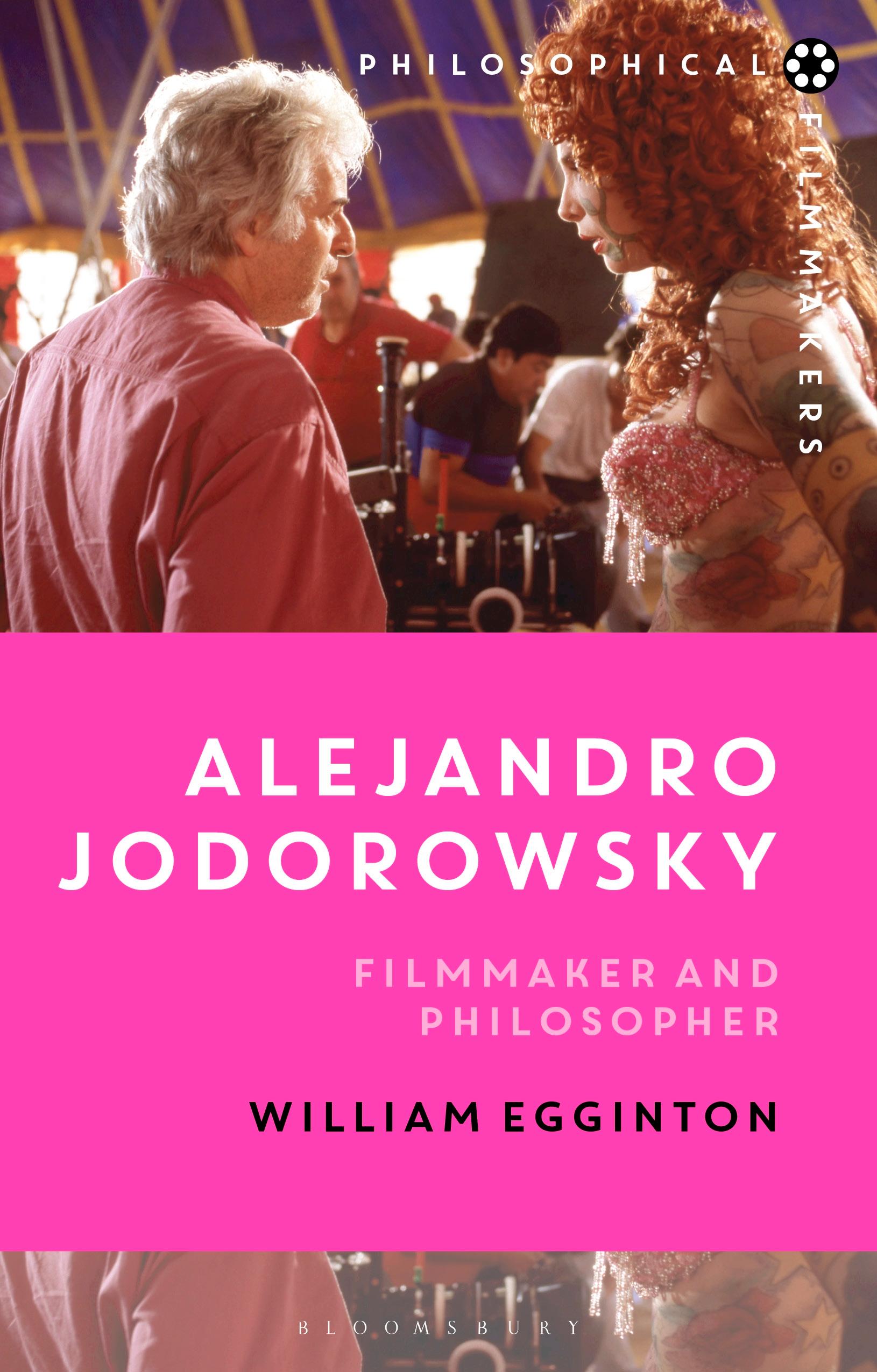
Alejandro Jodorowsky is a force of nature. At 90 years old he is still making films and is a cultural phenomenon who has influenced other artists as disparate as John Waters and Yoko Ono. Although his body of work has long been considered disjointed and random, William Egginton claims that Jodorowsky's writings, theatre work and mime, and his films, along with the therapeutic practice he calls psychomagic, can all be tied together to form the philosophical programme that underpins his films.
Incorporating surrealism and thinkers including Lacan, Kant, Hegel, and Žižek into his interpretation of Jodorowsky's work, Egginton shows how his diverse films are connected by interpretive practices with a fundamental similarity to Lacanian psychoanalysis. Using case studies of Jodorowsky's cult films, El Topo, Fando y Lis and Holy Mountain and more, this book provides a unique perspective on a filmmaker whose work has been notoriously difficult to analyse.
Incorporating surrealism and thinkers including Lacan, Kant, Hegel, and Žižek into his interpretation of Jodorowsky's work, Egginton shows how his diverse films are connected by interpretive practices with a fundamental similarity to Lacanian psychoanalysis. Using case studies of Jodorowsky's cult films, El Topo, Fando y Lis and Holy Mountain and more, this book provides a unique perspective on a filmmaker whose work has been notoriously difficult to analyse.
Betal nemt med kort, Klarna, Apple Pay eller Google Pay. Ikke tilfreds? Du har altid 14 dages fortrydelsesret. Læs mere i vores vilkår. Har du spørgsmål, så send os en mail på hello@memmo.org.
Memmo gør det nemmere at studere – uanset hvor du er i verden. Hos os samler du dine kursusbøger og smarte studieværktøjer ét sted: resuméer, quizzer, podcasts og flashcards. Og så er der Ted, din studieven, der svarer på alt, du undrer dig over. Over 50 000 studerende studerer allerede her – bygget til at hjælpe dig med at lære hurtigere og stresse mindre.