
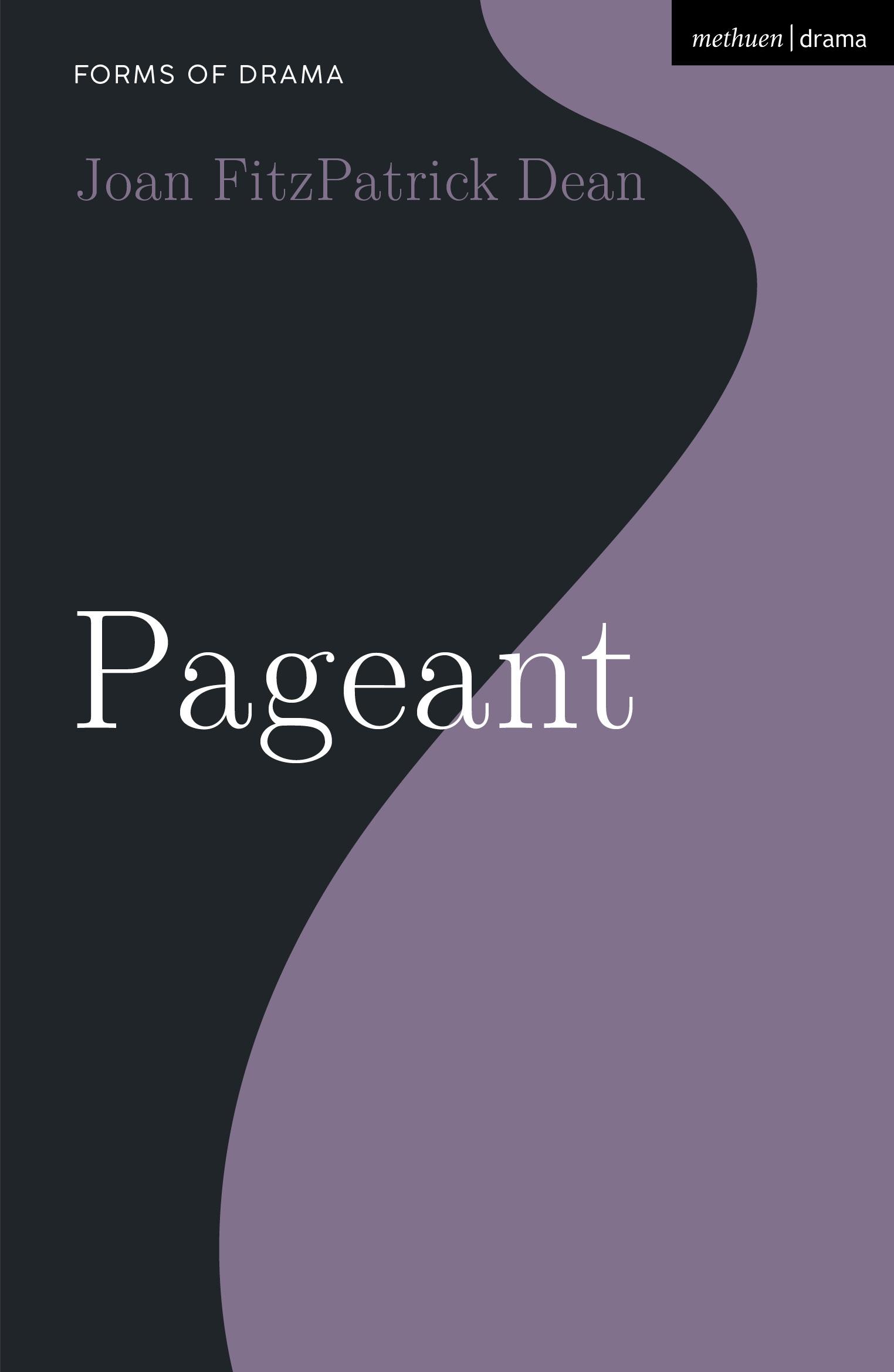
Focusing on examples from medieval theatre, women's suffrage campaigns, and the 2012 Olympics Opening Ceremony, this is the first book to offer a critical overview of pageant as a dramatic form.
By enacting highly selective historical episodes, pageants manipulate audiences' sense of the past. Through iconic music, affecting images, and vernacular forms, pageants express and, in turn, shape religious, civic, or political allegiances. Freely appropriating elements of history plays, patriotic celebrations, opera, and film, pageants create spectacles of sensory overload. Impressive recent scholarship recognizes pageants as public history, but this is the first authoritative account of the origins, characteristics, and techniques of pageants as a theatrical idiom. Performed in sporting arenas, the open air, or purpose-built theatres, these paratheatrical events express identity through what Erika Fischer-Lichte calls “the re-theatricalization of theatre.”
Pageants are intimately connected with power-they either assert and celebrate it or seek and demand it. Medieval religious pageants were so popular and powerful that they were suppressed and extinguished. The vogue for pageantry that swept through the English-speaking world in the decade before WWI was closely tied to the expansion of the franchise. Many early twentieth century pageants celebrated localities; others subversively advocated for women's suffrage. First performed in 1909, Cicely Hamilton's A Pageant of Great Women depicted historical personages from the near and distant past as well as allegorical figures such as Justice and Prejudice. Today, the Olympic Games mandate an opening ceremony that “details the country's history, culture, and overall importance for the global community.” London delivered just such a pageant in 2012.
This book features a wide-ranging introduction that maps the cultural evolution of this enduring theatrical form and covers popular and readily accessible pageants from medieval England, the early twentieth century, and our own day.
By enacting highly selective historical episodes, pageants manipulate audiences' sense of the past. Through iconic music, affecting images, and vernacular forms, pageants express and, in turn, shape religious, civic, or political allegiances. Freely appropriating elements of history plays, patriotic celebrations, opera, and film, pageants create spectacles of sensory overload. Impressive recent scholarship recognizes pageants as public history, but this is the first authoritative account of the origins, characteristics, and techniques of pageants as a theatrical idiom. Performed in sporting arenas, the open air, or purpose-built theatres, these paratheatrical events express identity through what Erika Fischer-Lichte calls “the re-theatricalization of theatre.”
Pageants are intimately connected with power-they either assert and celebrate it or seek and demand it. Medieval religious pageants were so popular and powerful that they were suppressed and extinguished. The vogue for pageantry that swept through the English-speaking world in the decade before WWI was closely tied to the expansion of the franchise. Many early twentieth century pageants celebrated localities; others subversively advocated for women's suffrage. First performed in 1909, Cicely Hamilton's A Pageant of Great Women depicted historical personages from the near and distant past as well as allegorical figures such as Justice and Prejudice. Today, the Olympic Games mandate an opening ceremony that “details the country's history, culture, and overall importance for the global community.” London delivered just such a pageant in 2012.
This book features a wide-ranging introduction that maps the cultural evolution of this enduring theatrical form and covers popular and readily accessible pageants from medieval England, the early twentieth century, and our own day.
Sider: 200
Kategori: Drama, Teater & Scenkonst
e-ISBN: 9781350144538
Forsendelsesvægt: 1.2 kg
Sendes inden for: 1-2 dage
Betal nemt med kort, Klarna, Apple Pay eller Google Pay. Ikke tilfreds? Du har altid 14 dages fortrydelsesret. Læs mere i vores vilkår. Har du spørgsmål, så send os en mail på hello@memmo.org.
Memmo gør det nemmere at studere – uanset hvor du er i verden. Hos os samler du dine kursusbøger og smarte studieværktøjer ét sted: resuméer, quizzer, podcasts og flashcards. Og så er der Ted, din studieven, der svarer på alt, du undrer dig over. Over 50 000 studerende studerer allerede her – bygget til at hjælpe dig med at lære hurtigere og stresse mindre.