
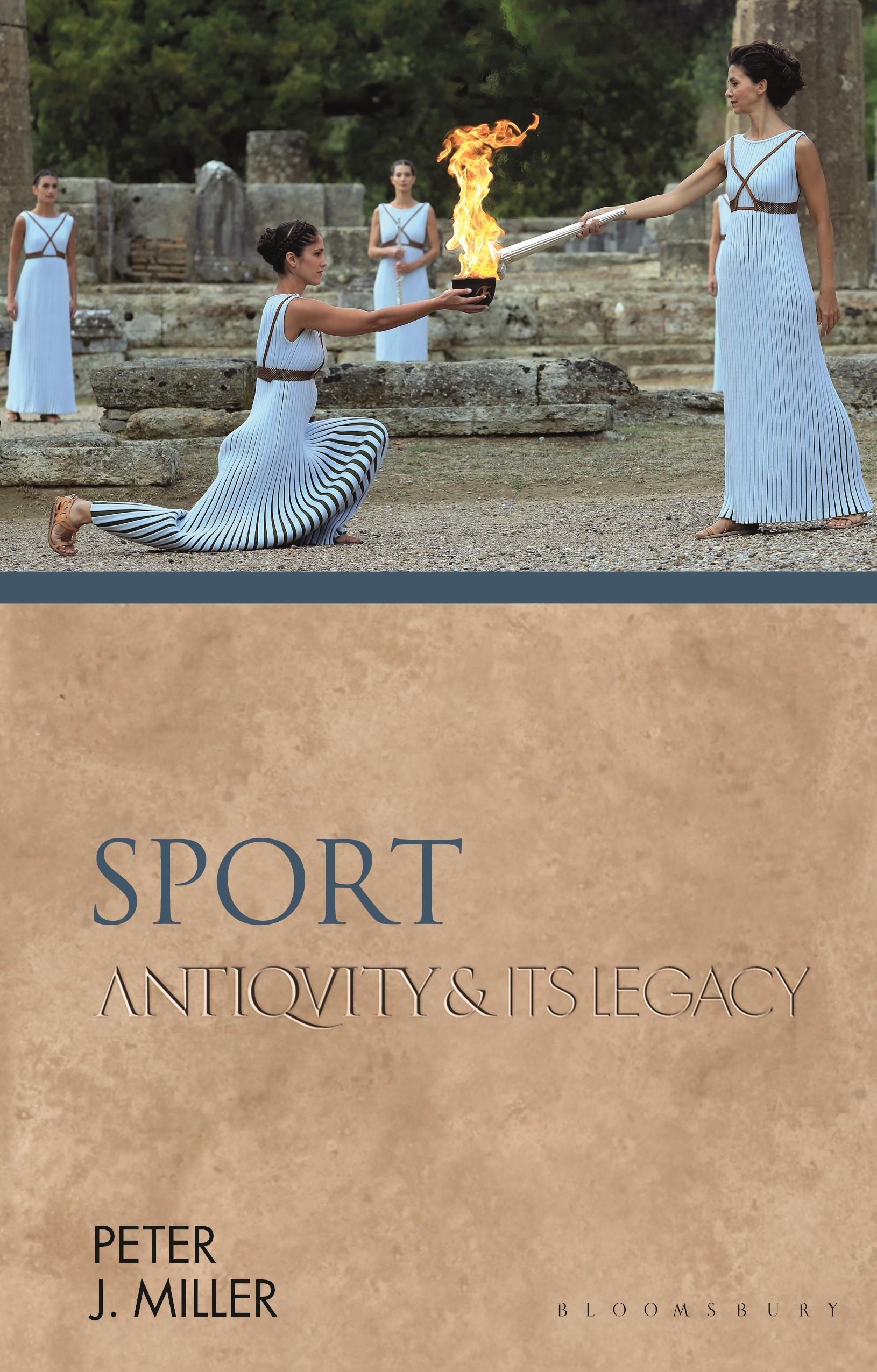
Modern sport cannot be understood without ancient sport. Sport saturates contemporary society and the global reach of sport and its intense popularity characterizes the modern world. But, at the same time, sport is one of the most ancient human pursuits. In the globalized sport of today, the type of athletic performance and the ideology of sport and its apparent origins are mostly derived from the model of one pre-modern civilization: Graeco-Roman antiquity.
Juxtaposing ancient writers with recent ones, including the modern Olympic founder Pierre de Coubertin and physical fitness impresario Bernarr Macfadden, and by examining the representation of sport in Olympic films, Miller demonstrates the ancient heritage of contemporary sport, and the creative ways in which ancient sport has been adapted, appropriated, mishandled and reimagined. Sport today contains a surprising contradiction: its explicit modernity (from its technological sophistication and integration into capitalist markets to its institutionalization and celebrity culture) and its supposed antiquity (from the mythology of the Olympics to the ancient roots of sporting civic and national pride, and the emotional and near religious fervour of sports fans).
This book intervenes in one of the most important of the receptions of classical antiquity by examining how sports personalities, agencies, institutions and movements have consciously connected themselves to the Graeco-Roman past, even as they continue to insist on their own centrality in the modern world.
Juxtaposing ancient writers with recent ones, including the modern Olympic founder Pierre de Coubertin and physical fitness impresario Bernarr Macfadden, and by examining the representation of sport in Olympic films, Miller demonstrates the ancient heritage of contemporary sport, and the creative ways in which ancient sport has been adapted, appropriated, mishandled and reimagined. Sport today contains a surprising contradiction: its explicit modernity (from its technological sophistication and integration into capitalist markets to its institutionalization and celebrity culture) and its supposed antiquity (from the mythology of the Olympics to the ancient roots of sporting civic and national pride, and the emotional and near religious fervour of sports fans).
This book intervenes in one of the most important of the receptions of classical antiquity by examining how sports personalities, agencies, institutions and movements have consciously connected themselves to the Graeco-Roman past, even as they continue to insist on their own centrality in the modern world.
Betal nemt med kort, Klarna, Apple Pay eller Google Pay. Ikke tilfreds? Du har altid 14 dages fortrydelsesret. Læs mere i vores vilkår. Har du spørgsmål, så send os en mail på hello@memmo.org.
Memmo gør det nemmere at studere – uanset hvor du er i verden. Hos os samler du dine kursusbøger og smarte studieværktøjer ét sted: resuméer, quizzer, podcasts og flashcards. Og så er der Ted, din studieven, der svarer på alt, du undrer dig over. Over 50 000 studerende studerer allerede her – bygget til at hjælpe dig med at lære hurtigere og stresse mindre.