
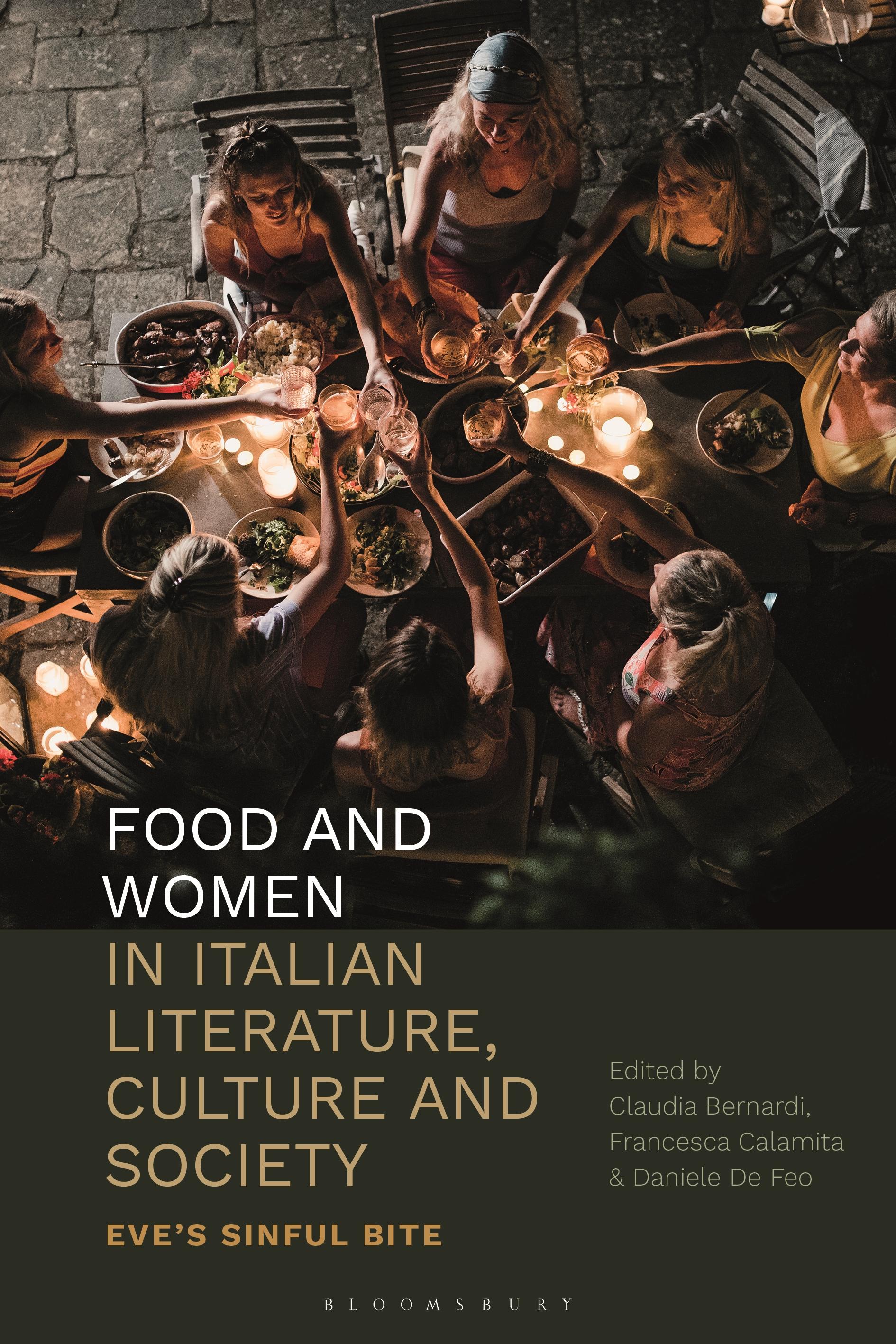
This book explores how women's relationship with food has been represented in Italian literature, cinema, scientific writings and other forms of cultural expression from the 19th century to the present.
Italian women have often been portrayed cooking and serving meals to others, while denying themselves the pleasure of the table. The collection presents a comprehensive understanding of the symbolic meanings associated with food and of the way these intersect with Italian women's socio-cultural history and the feminist movement.
From case studies on Sophia Loren and Elena Ferrante, to analyses of cookbooks by Italian chefs, each chapter examines the unique contribution Italian culture has made to perceiving and portraying women in a specific relation to food, addressing issues of gender, identity and politics of the body.
Italian women have often been portrayed cooking and serving meals to others, while denying themselves the pleasure of the table. The collection presents a comprehensive understanding of the symbolic meanings associated with food and of the way these intersect with Italian women's socio-cultural history and the feminist movement.
From case studies on Sophia Loren and Elena Ferrante, to analyses of cookbooks by Italian chefs, each chapter examines the unique contribution Italian culture has made to perceiving and portraying women in a specific relation to food, addressing issues of gender, identity and politics of the body.
Betal nemt med kort, Klarna, Apple Pay eller Google Pay. Ikke tilfreds? Du har altid 14 dages fortrydelsesret. Læs mere i vores vilkår. Har du spørgsmål, så send os en mail på hello@memmo.org.
Memmo gør det nemmere at studere – uanset hvor du er i verden. Hos os samler du dine kursusbøger og smarte studieværktøjer ét sted: resuméer, quizzer, podcasts og flashcards. Og så er der Ted, din studieven, der svarer på alt, du undrer dig over. Over 50 000 studerende studerer allerede her – bygget til at hjælpe dig med at lære hurtigere og stresse mindre.