
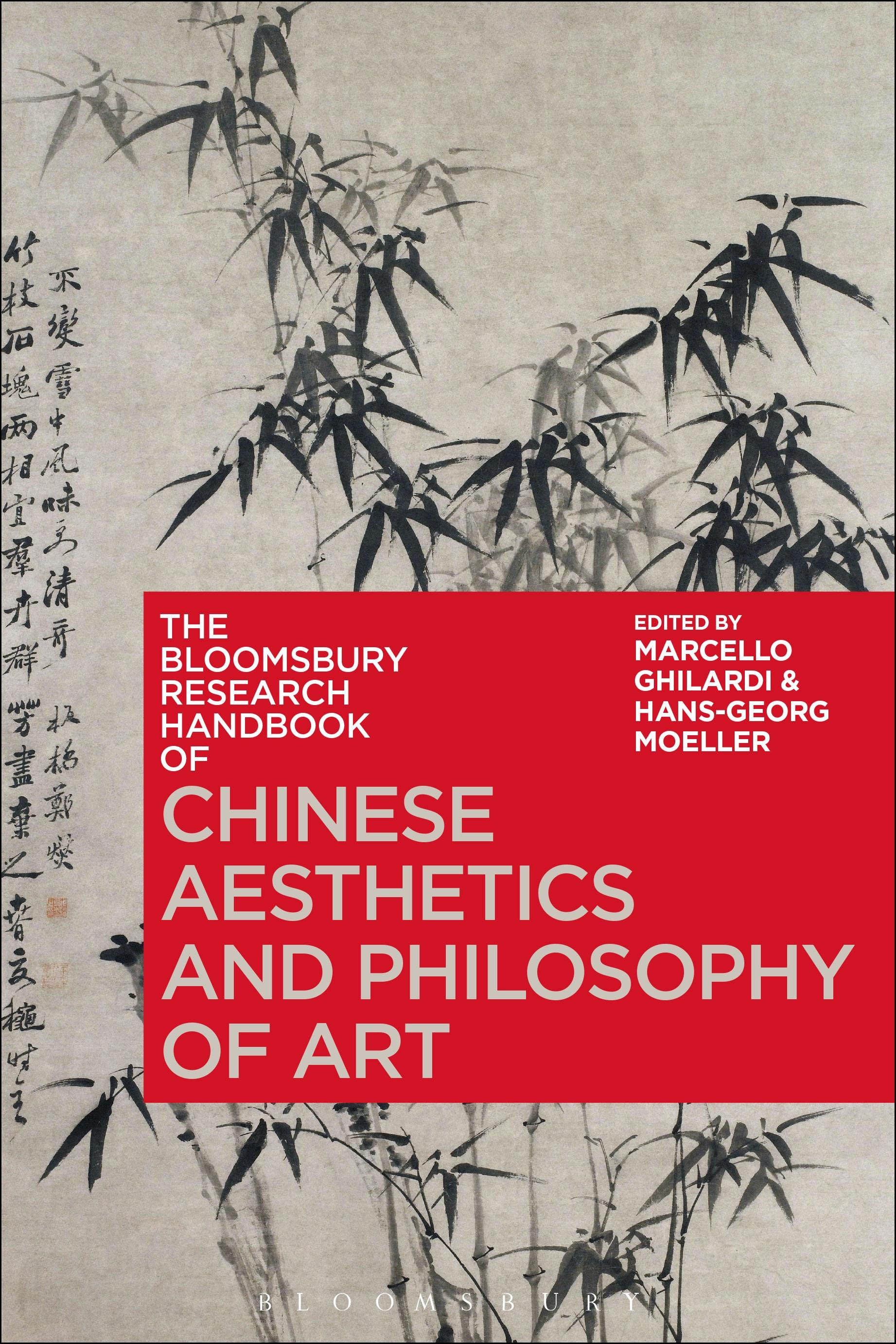
For anyone working in aesthetics interested in understanding the richness of the Chinese aesthetic tradition this handbook is the place to start. Comprised of general introductory overviews, critical reflections and contextual analysis, it covers everything from the origins of aesthetics in China to the role of aesthetics in philosophy today.
Beginning in early China (1st millennium BCE), it traces the Chinese aesthetic tradition, exploring the import of the term aesthetics into Chinese thought via Japan around the end of the 19th century. It looks back to early practices of art and craftsmanship, showing how the history of Chinese thought provides a multitude of artefacts and texts that give rise to a wide range of aesthetic creations and notions. Introducing various perspectives on traditional arts in China, including painting, ceramics, calligraphy, poetry, music and theatre, it explores those aesthetic traditions not included in “canonic” art forms, such as martial arts, rock gardening, and ritual performance.
Written by Chinese, European, and American theoreticians and practitioners, this authoritative research resource enhances contemporary aesthetics by revealing the possibilities of a Chinese philosophy of art.
Beginning in early China (1st millennium BCE), it traces the Chinese aesthetic tradition, exploring the import of the term aesthetics into Chinese thought via Japan around the end of the 19th century. It looks back to early practices of art and craftsmanship, showing how the history of Chinese thought provides a multitude of artefacts and texts that give rise to a wide range of aesthetic creations and notions. Introducing various perspectives on traditional arts in China, including painting, ceramics, calligraphy, poetry, music and theatre, it explores those aesthetic traditions not included in “canonic” art forms, such as martial arts, rock gardening, and ritual performance.
Written by Chinese, European, and American theoreticians and practitioners, this authoritative research resource enhances contemporary aesthetics by revealing the possibilities of a Chinese philosophy of art.
Betal nemt med kort, Klarna, Apple Pay eller Google Pay. Ikke tilfreds? Du har altid 14 dages fortrydelsesret. Læs mere i vores vilkår. Har du spørgsmål, så send os en mail på hello@memmo.org.
Memmo gør det nemmere at studere – uanset hvor du er i verden. Hos os samler du dine kursusbøger og smarte studieværktøjer ét sted: resuméer, quizzer, podcasts og flashcards. Og så er der Ted, din studieven, der svarer på alt, du undrer dig over. Over 50 000 studerende studerer allerede her – bygget til at hjælpe dig med at lære hurtigere og stresse mindre.