
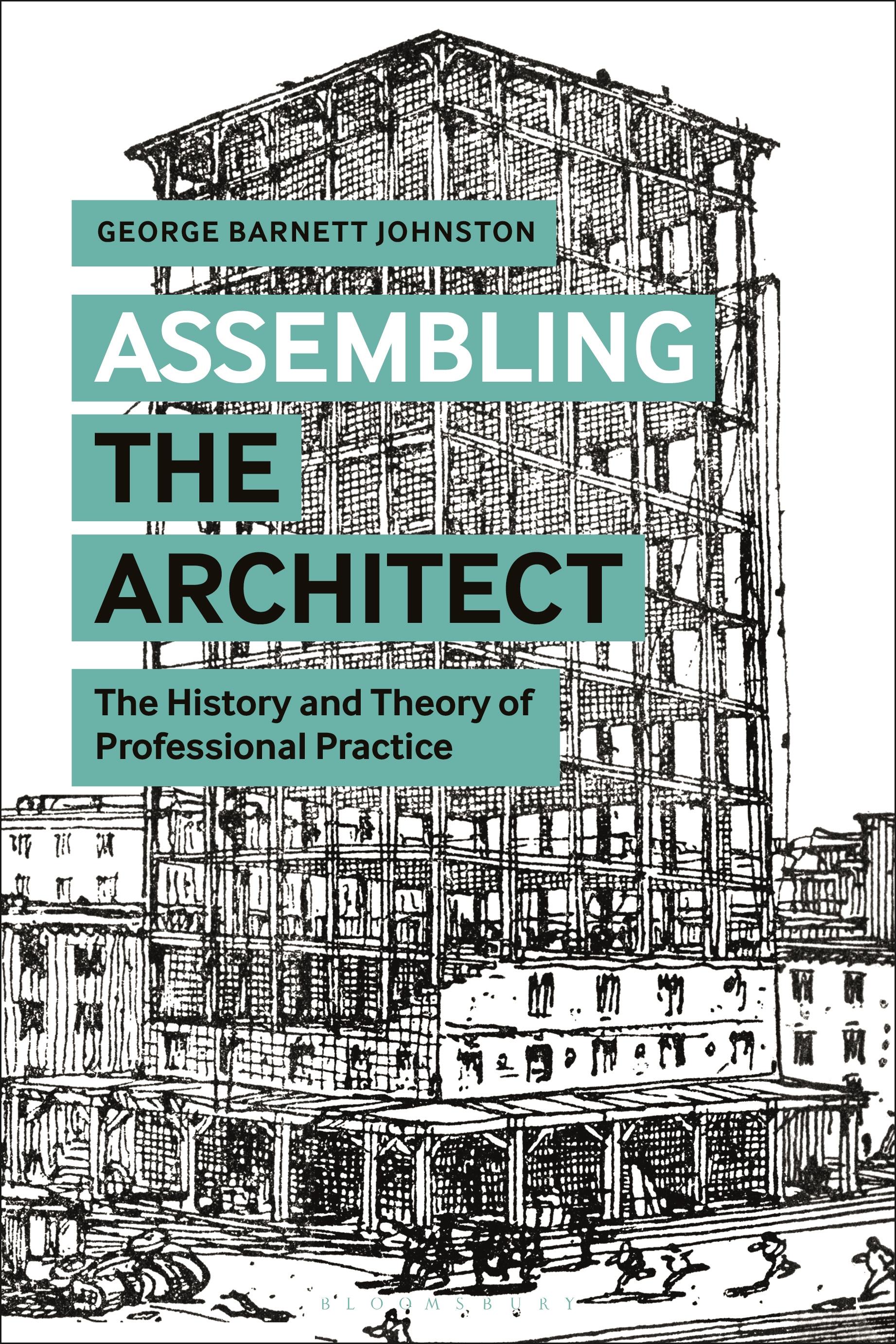
Assembling the Architect explores the origins and history of architectural practice. It unravels the competing interests that historically have structured the field and cultivates a deeper understanding of the contemporary profession.
Focusing on the period 1870 to 1920 when the foundations were being laid for the U.S. architectural profession that we recognize today, this study traces the formation and standardization of the fundamental relationships among architects, owners, and builders, as codified in the American Institute of Architects' very first Handbook of Architectural Practice. It reveals how these archetypal roles have always been fluid, each successfully redefining their own agency with respect to the others in the constantly-shifting political economy of building.
Far from being a purely historical study, the book also sheds light on today's digitally-enabled profession. Contemporary architectural tools and disciplinary ideals continue to be shaped by the same fundamental tensions, and emergent modes of practice such as BIM (Building Information Modelling) and IPD (Integrated Project Delivery) represent the realization of programs and agendas that have been over a century in play.
Essential reading for professional practice courses as a contextual and historical companion to the Handbook, Assembling the Architect provides a critical perspective of the profession that is fundamental to understanding current architectural practice.
Focusing on the period 1870 to 1920 when the foundations were being laid for the U.S. architectural profession that we recognize today, this study traces the formation and standardization of the fundamental relationships among architects, owners, and builders, as codified in the American Institute of Architects' very first Handbook of Architectural Practice. It reveals how these archetypal roles have always been fluid, each successfully redefining their own agency with respect to the others in the constantly-shifting political economy of building.
Far from being a purely historical study, the book also sheds light on today's digitally-enabled profession. Contemporary architectural tools and disciplinary ideals continue to be shaped by the same fundamental tensions, and emergent modes of practice such as BIM (Building Information Modelling) and IPD (Integrated Project Delivery) represent the realization of programs and agendas that have been over a century in play.
Essential reading for professional practice courses as a contextual and historical companion to the Handbook, Assembling the Architect provides a critical perspective of the profession that is fundamental to understanding current architectural practice.
Betal nemt med kort, Klarna, Apple Pay eller Google Pay. Ikke tilfreds? Du har altid 14 dages fortrydelsesret. Læs mere i vores vilkår. Har du spørgsmål, så send os en mail på hello@memmo.org.
Memmo gør det nemmere at studere – uanset hvor du er i verden. Hos os samler du dine kursusbøger og smarte studieværktøjer ét sted: resuméer, quizzer, podcasts og flashcards. Og så er der Ted, din studieven, der svarer på alt, du undrer dig over. Over 50 000 studerende studerer allerede her – bygget til at hjælpe dig med at lære hurtigere og stresse mindre.