
Is there any such thing as a single ethical system to which all human beings could conceivably subscribe?
The short answer is no; and most people, being tolerant, would probably agree with this answer. Yet most people, precisely in being tolerant, also subscribe to an idea of “human rights” which presupposes just such a universal ethics.
This basic question of ethics is similarly treacherous when approached on a higher technical level. Specialists have long recognized that Kant's categorical imperative is neither theoretically nor practically tenable. But efforts to revive and repair the Kantian project-including especially the monumental work of Jürgen Habermas-have all themselves been theoretically questionable, while developing a complexity that makes them impractical.
Must we then simply do without ethics in the sense of a universal ethical method?
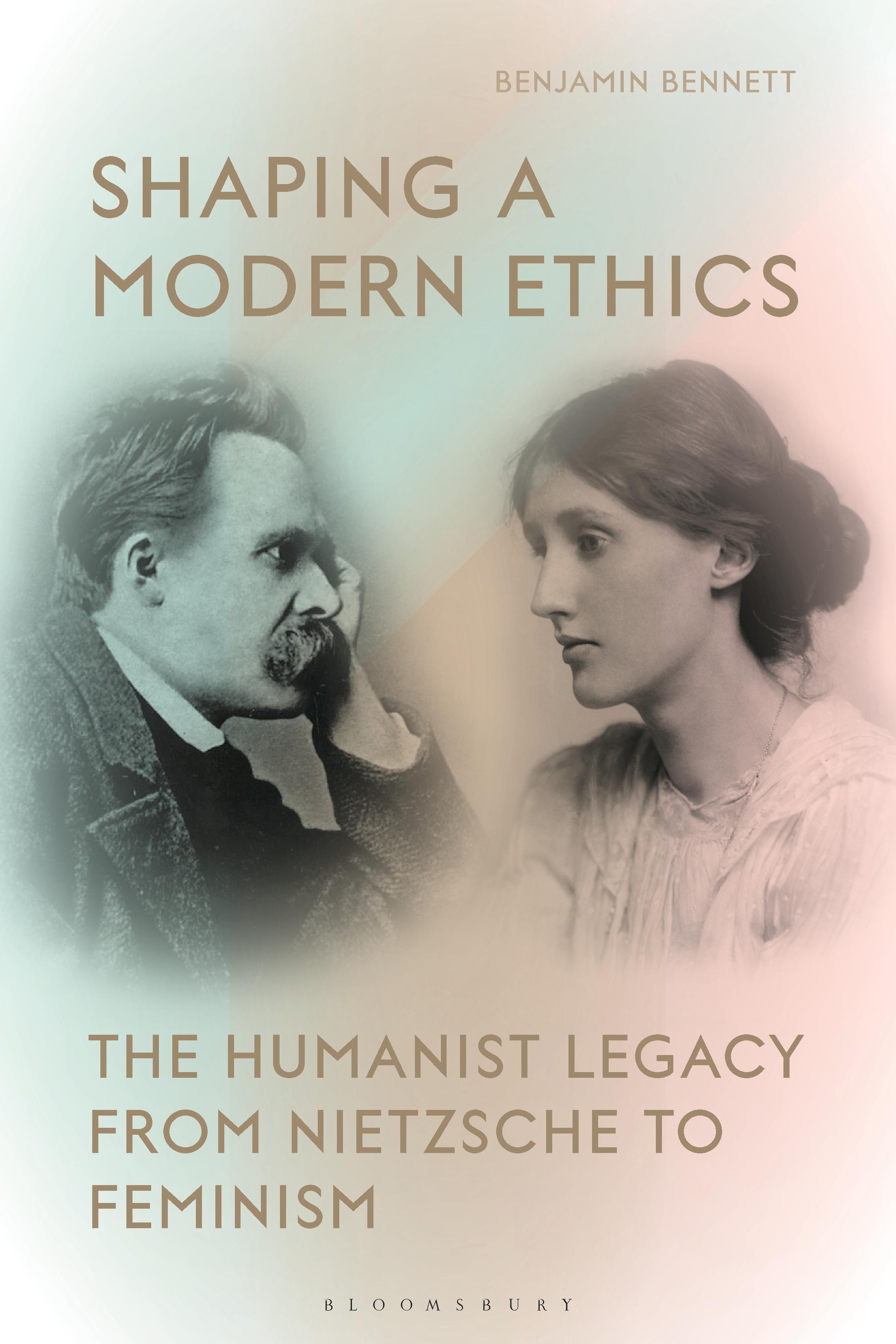
By way of a close study of literary and philosophical texts, from Freud to Machiavelli, Benjamin Bennett shows why the failure of a universal or propositional ethics is indeed unavoidable. He uncovers a modern non-propositional ethics that cannot be grasped in a single theoretical move but can only be approached as a collection of instances of a modern ethical “we”, three key examples of which Bennett explores in this book:
- The “we” of irony, whose speakers share a strictly preter-verbal knowledge which is concealed in their actual utterances
- The insistent exclusive “we” of a group that has neither its own physical locality nor even a clear intellectual identity, comparable to the “we” of Jews in the diaspora
- The “we” of feminism, a separate “we” from that embracing people who happen to have been born women.
The short answer is no; and most people, being tolerant, would probably agree with this answer. Yet most people, precisely in being tolerant, also subscribe to an idea of “human rights” which presupposes just such a universal ethics.
This basic question of ethics is similarly treacherous when approached on a higher technical level. Specialists have long recognized that Kant's categorical imperative is neither theoretically nor practically tenable. But efforts to revive and repair the Kantian project-including especially the monumental work of Jürgen Habermas-have all themselves been theoretically questionable, while developing a complexity that makes them impractical.
Must we then simply do without ethics in the sense of a universal ethical method?
By way of a close study of literary and philosophical texts, from Freud to Machiavelli, Benjamin Bennett shows why the failure of a universal or propositional ethics is indeed unavoidable. He uncovers a modern non-propositional ethics that cannot be grasped in a single theoretical move but can only be approached as a collection of instances of a modern ethical “we”, three key examples of which Bennett explores in this book:
- The “we” of irony, whose speakers share a strictly preter-verbal knowledge which is concealed in their actual utterances
- The insistent exclusive “we” of a group that has neither its own physical locality nor even a clear intellectual identity, comparable to the “we” of Jews in the diaspora
- The “we” of feminism, a separate “we” from that embracing people who happen to have been born women.
Betal nemt med kort, Klarna, Apple Pay eller Google Pay. Ikke tilfreds? Du har altid 14 dages fortrydelsesret. Læs mere i vores vilkår. Har du spørgsmål, så send os en mail på hello@memmo.org.
Memmo gør det nemmere at studere – uanset hvor du er i verden. Hos os samler du dine kursusbøger og smarte studieværktøjer ét sted: resuméer, quizzer, podcasts og flashcards. Og så er der Ted, din studieven, der svarer på alt, du undrer dig over. Over 50 000 studerende studerer allerede her – bygget til at hjælpe dig med at lære hurtigere og stresse mindre.