
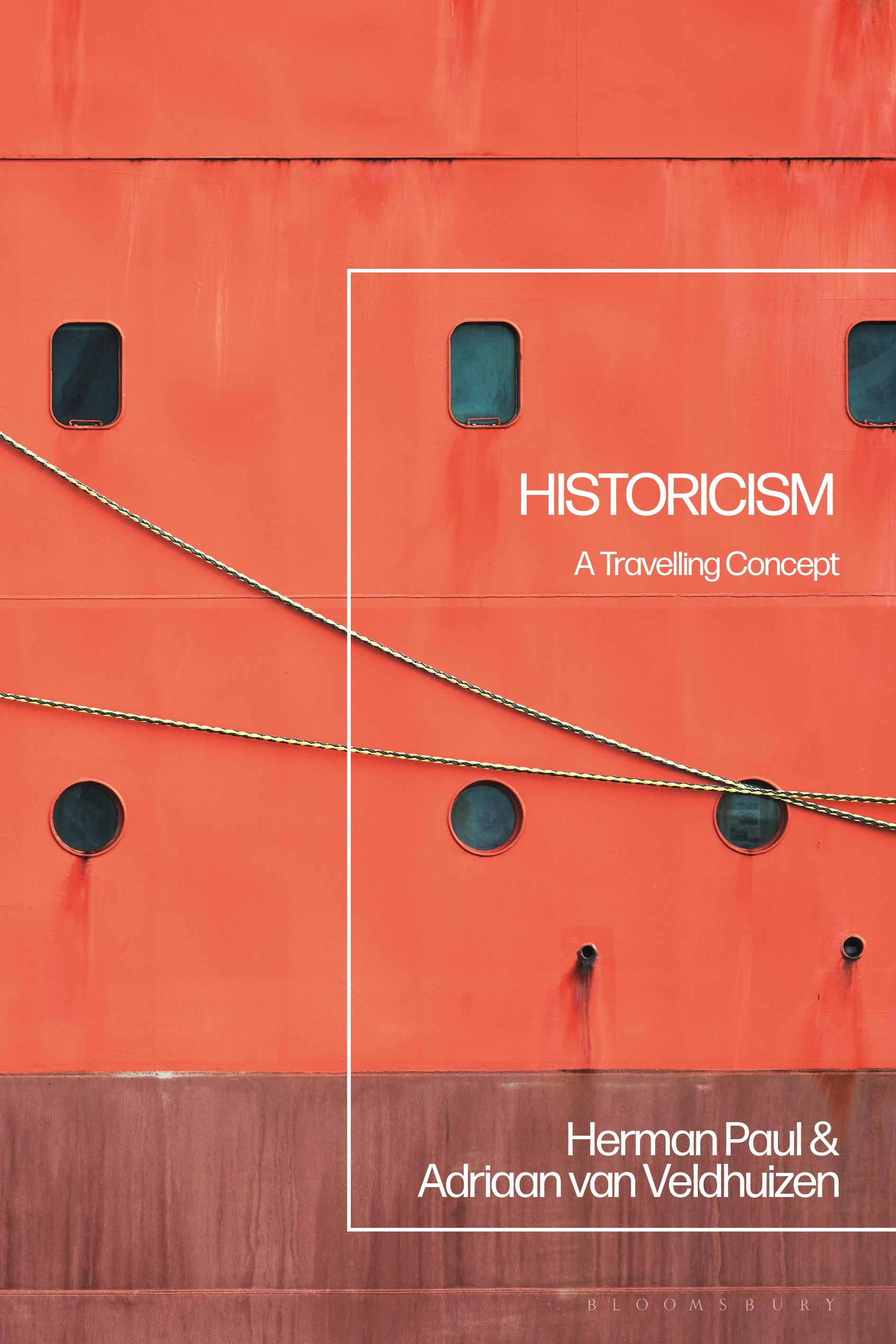
Throughout the twentieth century, scholars, artists and politicians have accused each other of “historicism.” But what exactly did this mean? Judging by existing scholarship, the answers varied enormously. Like many other “isms,” historicism could mean nearly everything, to the point of becoming meaningless.
Yet the questions remain: What made generations of scholars throughout the humanities and social sciences worry about historicism? Why did even musicians and members of parliament warn against historicism? And what explains this remarkable career of the term across generations, fields, regions, and languages?
Focusing on the “travels” that historicism made, this volume uses historicism as a prism for exploring connections between disciplines and intellectual traditions usually studied in isolation from each other. It shows how generations of sociologists, theologians, and historians tried to avoid pitfalls associated with historicism and explains why the term was heavily charged with emotions like anxiety, anger, and worry.
While offering fresh interpretations of classic authors such as Friedrich Meinecke, Karl Löwith, and Leo Strauss, this volume highlights how historicism took on new meanings, connotations, and emotional baggage in the course of its travels through time and place.
Yet the questions remain: What made generations of scholars throughout the humanities and social sciences worry about historicism? Why did even musicians and members of parliament warn against historicism? And what explains this remarkable career of the term across generations, fields, regions, and languages?
Focusing on the “travels” that historicism made, this volume uses historicism as a prism for exploring connections between disciplines and intellectual traditions usually studied in isolation from each other. It shows how generations of sociologists, theologians, and historians tried to avoid pitfalls associated with historicism and explains why the term was heavily charged with emotions like anxiety, anger, and worry.
While offering fresh interpretations of classic authors such as Friedrich Meinecke, Karl Löwith, and Leo Strauss, this volume highlights how historicism took on new meanings, connotations, and emotional baggage in the course of its travels through time and place.
Betal nemt med kort, Klarna, Apple Pay eller Google Pay. Ikke tilfreds? Du har altid 14 dages fortrydelsesret. Læs mere i vores vilkår. Har du spørgsmål, så send os en mail på hello@memmo.org.
Memmo gør det nemmere at studere – uanset hvor du er i verden. Hos os samler du dine kursusbøger og smarte studieværktøjer ét sted: resuméer, quizzer, podcasts og flashcards. Og så er der Ted, din studieven, der svarer på alt, du undrer dig over. Over 50 000 studerende studerer allerede her – bygget til at hjælpe dig med at lære hurtigere og stresse mindre.