
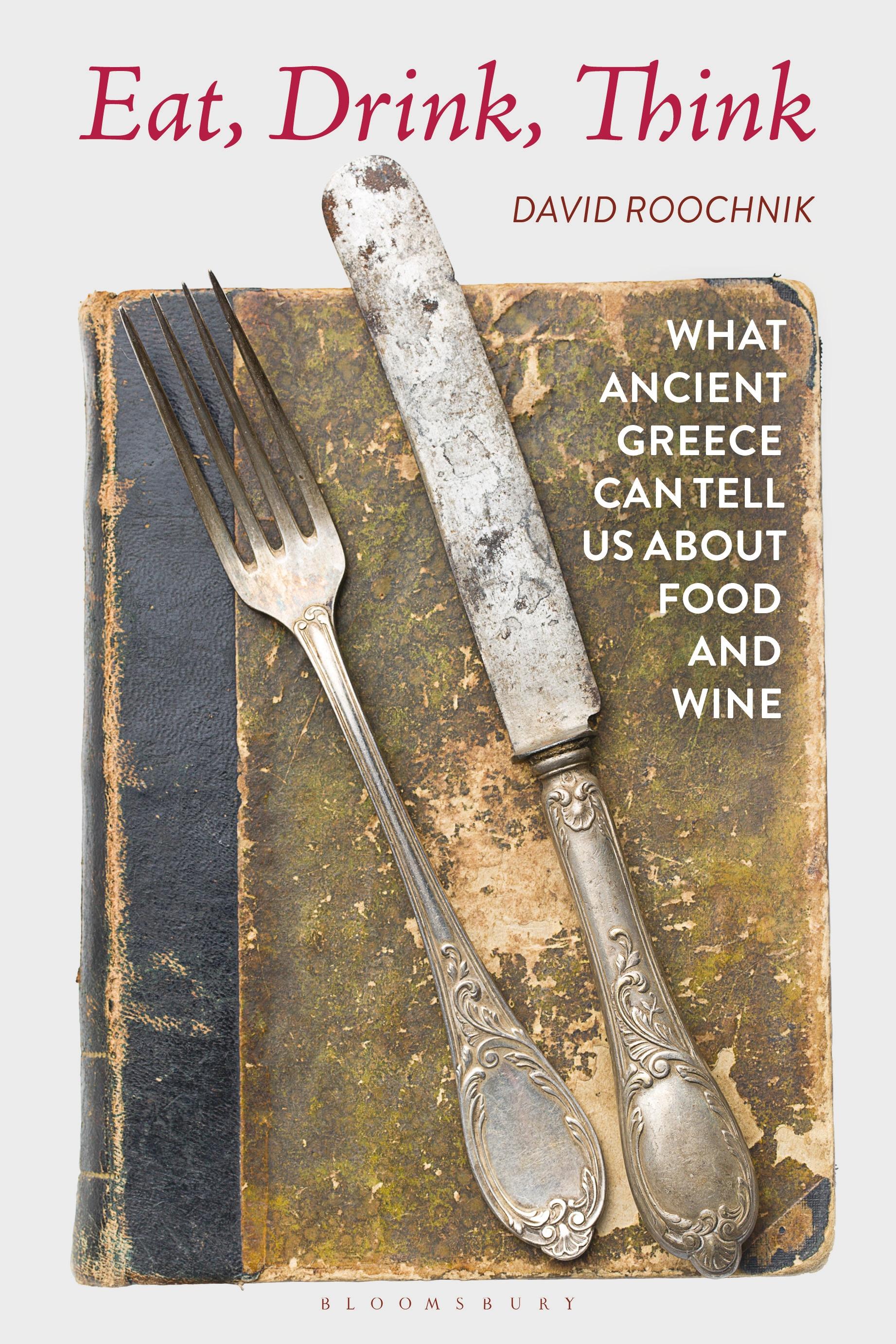
What role does food play in the shaping of humanity? Is sharing a good meal with friends and family an experience of life at its best, or is food merely a burdensome necessity? David Roochnik explores these questions by discussing classical works of Greek literature and philosophy in which food and drink play an important role.
With thoughts on Homer's The Odyssey, Euripides' Bacchae, Plato's philosopher kings and Dionysian intoxication, Roochnik shows how foregrounding food in philosophy can open up new ways of understanding these thinkers and their approaches to the purpose and meaning of life. The book features philosophical explanation interspersed with reflections from the author on cooking, eating, drinking and sharing meals, making it important reading for students of philosophy, classical studies, and food studies.
With thoughts on Homer's The Odyssey, Euripides' Bacchae, Plato's philosopher kings and Dionysian intoxication, Roochnik shows how foregrounding food in philosophy can open up new ways of understanding these thinkers and their approaches to the purpose and meaning of life. The book features philosophical explanation interspersed with reflections from the author on cooking, eating, drinking and sharing meals, making it important reading for students of philosophy, classical studies, and food studies.
Betal nemt med kort, Klarna, Apple Pay eller Google Pay. Ikke tilfreds? Du har altid 14 dages fortrydelsesret. Læs mere i vores vilkår. Har du spørgsmål, så send os en mail på hello@memmo.org.
Memmo gør det nemmere at studere – uanset hvor du er i verden. Hos os samler du dine kursusbøger og smarte studieværktøjer ét sted: resuméer, quizzer, podcasts og flashcards. Og så er der Ted, din studieven, der svarer på alt, du undrer dig over. Over 50 000 studerende studerer allerede her – bygget til at hjælpe dig med at lære hurtigere og stresse mindre.