
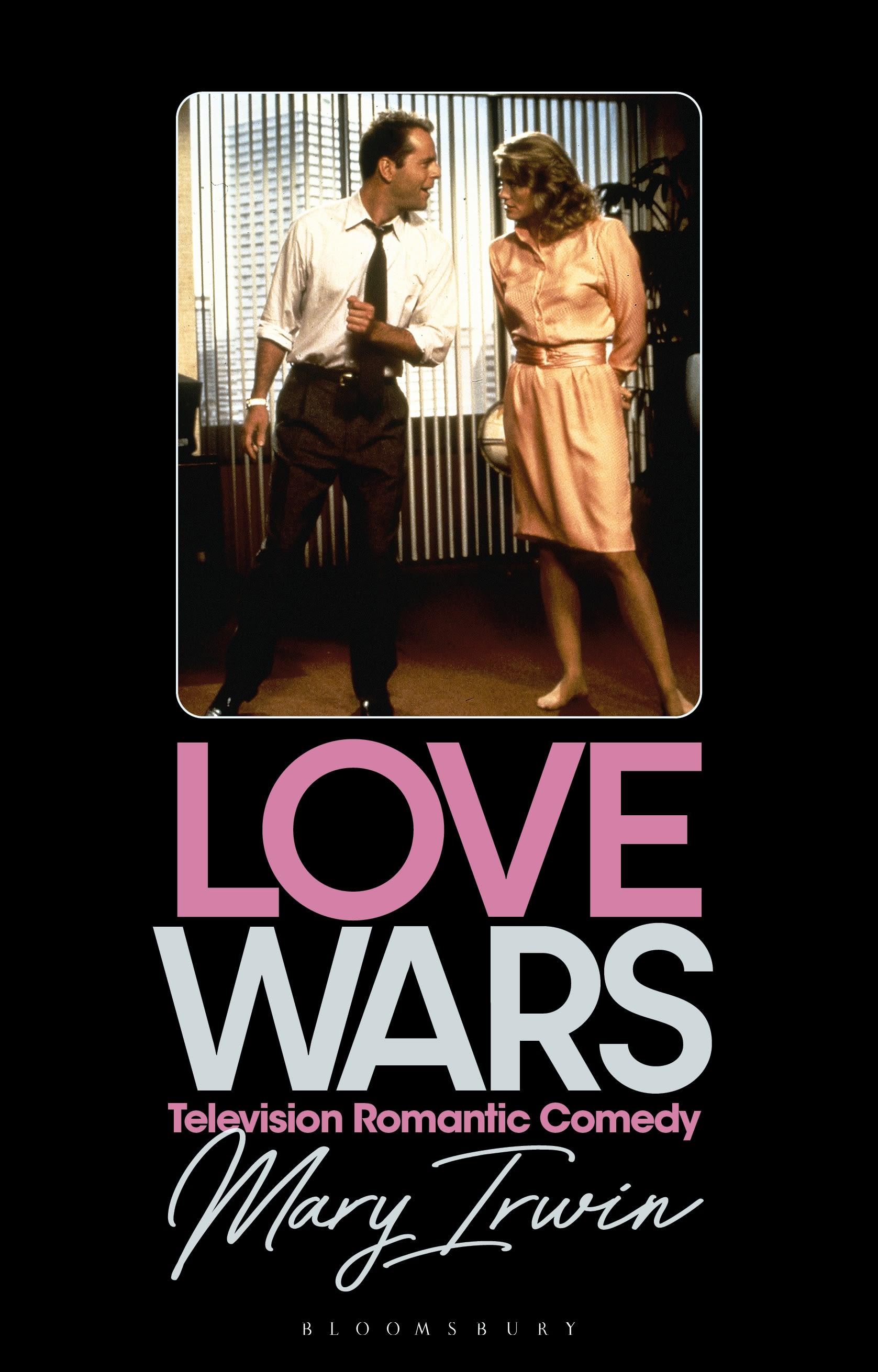
This is the first dedicated overview of the international television romantic comedy genre, Mary Irwin builds on the critical work on cinematic romantic comedy to offer a dedicated critical analysis of the romantic comedy on the small screen.
Drawing on series from the 1960s to the present day, Irwin presents five themed chapters around the theme of romantic love, from searching for it and finding it to the love wars of the book's title to finding love later in life and in places you didn't expect. Chapters explore the genre's key recurrent themes: evolving attitudes to love, relationships, sex, class and money, feminism and post-feminism, changes in the nuclear family (dramatised through contrasting romantic relationships) and shifting discourses of masculinity, situating them within the specific socio-historic and cultural context in which the series are set.
Throughout, Irwin underscores the centrality of women, their friendships and their personal and professional lives and experiences to the television romantic comedy genre, demonstrating that it is prominence of female characters and their interests and concerns which have most significantly affected the genre's thematic focus. Crucially, this thematic approach allows for explorations both of similarities in representations to be found in series decades apart and the way in which such representations ebb and flow across time. Additionally, the international nature of the comedies selected also makes possible comparison beyond national boundaries.
Drawing on series from the 1960s to the present day, Irwin presents five themed chapters around the theme of romantic love, from searching for it and finding it to the love wars of the book's title to finding love later in life and in places you didn't expect. Chapters explore the genre's key recurrent themes: evolving attitudes to love, relationships, sex, class and money, feminism and post-feminism, changes in the nuclear family (dramatised through contrasting romantic relationships) and shifting discourses of masculinity, situating them within the specific socio-historic and cultural context in which the series are set.
Throughout, Irwin underscores the centrality of women, their friendships and their personal and professional lives and experiences to the television romantic comedy genre, demonstrating that it is prominence of female characters and their interests and concerns which have most significantly affected the genre's thematic focus. Crucially, this thematic approach allows for explorations both of similarities in representations to be found in series decades apart and the way in which such representations ebb and flow across time. Additionally, the international nature of the comedies selected also makes possible comparison beyond national boundaries.
Betal nemt med kort, Klarna, Apple Pay eller Google Pay. Ikke tilfreds? Du har altid 14 dages fortrydelsesret. Læs mere i vores vilkår. Har du spørgsmål, så send os en mail på hello@memmo.org.
Memmo gør det nemmere at studere – uanset hvor du er i verden. Hos os samler du dine kursusbøger og smarte studieværktøjer ét sted: resuméer, quizzer, podcasts og flashcards. Og så er der Ted, din studieven, der svarer på alt, du undrer dig over. Over 50 000 studerende studerer allerede her – bygget til at hjælpe dig med at lære hurtigere og stresse mindre.