
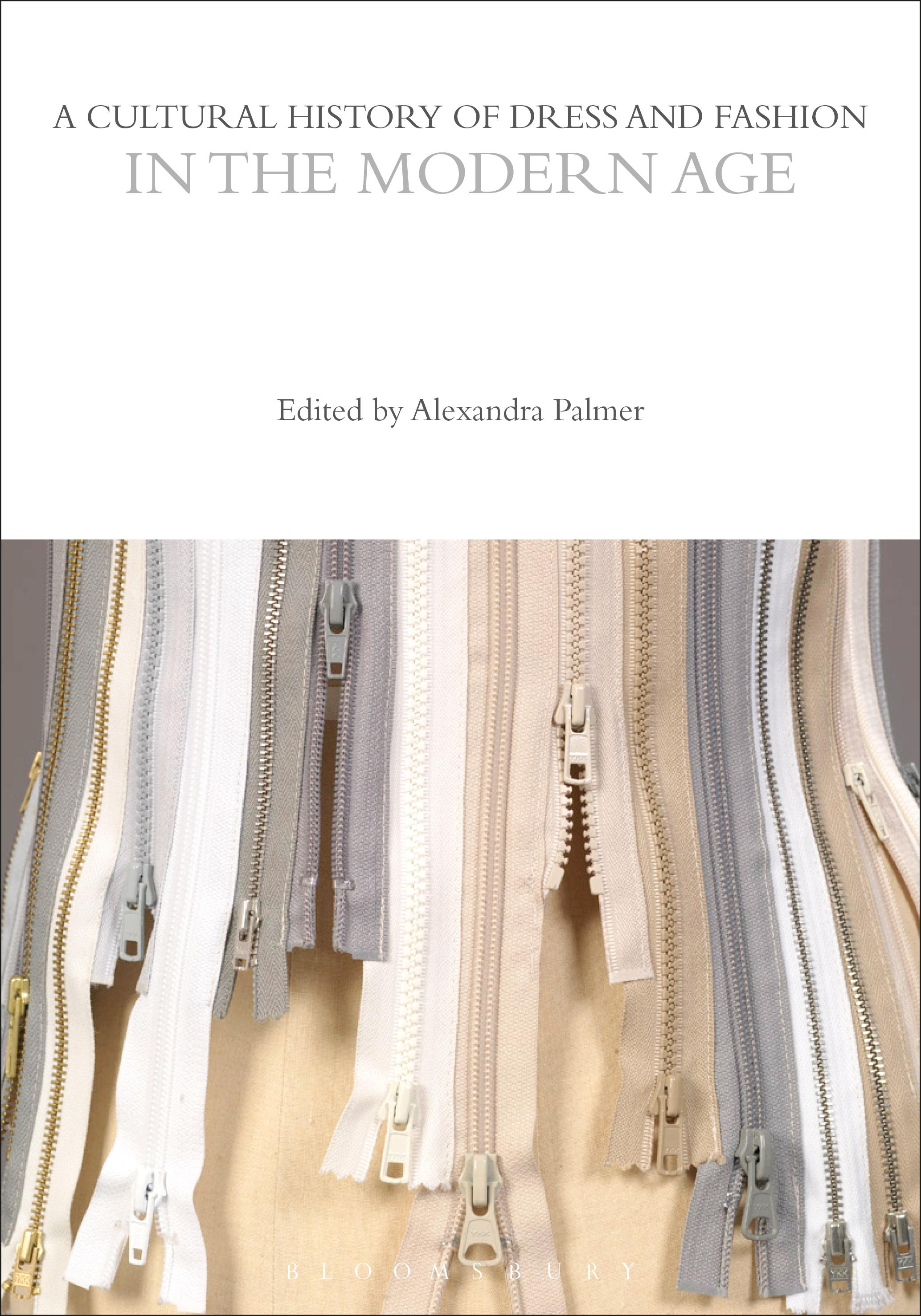
Over the last century there has been a complete transformation of the fashion system. The unitary top-down fashion cycle has been replaced by the pulsations of multiple and simultaneous styles, while the speed of global production and circulation has become ever faster and more complex. Running in tandem, the development of artificial fibres has revolutionized the composition of clothing, and the increased focus on youth, sexuality, and the body has radically changed its design. From the 1920s flapper dress to debates over the burkini, fashion has continued to be deeply involved in society's larger issues.
Drawing on a wealth of visual, textual and object sources and illustrated with 100 images, A Cultural History of Dress and Fashion in the Modern Age presents essays on textiles, production and distribution, the body, belief, gender and sexuality, status, ethnicity, and visual and literary representations to illustrate the diversity and cultural significance of dress and fashion in the period.
Drawing on a wealth of visual, textual and object sources and illustrated with 100 images, A Cultural History of Dress and Fashion in the Modern Age presents essays on textiles, production and distribution, the body, belief, gender and sexuality, status, ethnicity, and visual and literary representations to illustrate the diversity and cultural significance of dress and fashion in the period.
Betal nemt med kort, Klarna, Apple Pay eller Google Pay. Ikke tilfreds? Du har altid 14 dages fortrydelsesret. Læs mere i vores vilkår. Har du spørgsmål, så send os en mail på hello@memmo.org.
Memmo gør det nemmere at studere – uanset hvor du er i verden. Hos os samler du dine kursusbøger og smarte studieværktøjer ét sted: resuméer, quizzer, podcasts og flashcards. Og så er der Ted, din studieven, der svarer på alt, du undrer dig over. Over 50 000 studerende studerer allerede her – bygget til at hjælpe dig med at lære hurtigere og stresse mindre.