
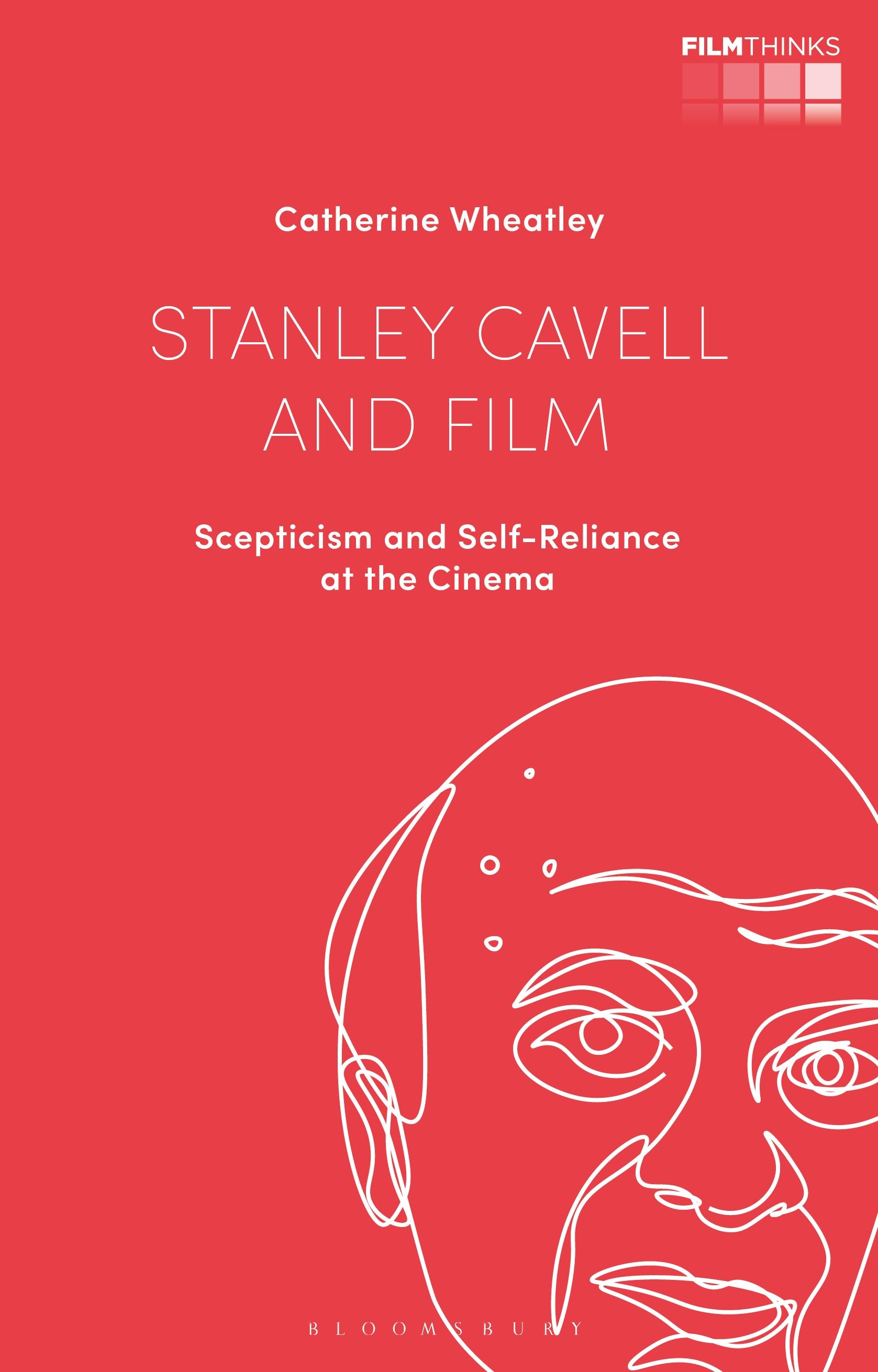
“Film is made for philosophy,” asserted Stanley Cavell. In addition to his work on scepticism, morality, and the intentions and meanings of ordinary language, the American philosopher wrote fascinatingly about cinema, arguing that film can reveal new ground for thinking through old philosophical problems.
In this book, Catherine Wheatley draws upon Cavell's explicitly film-inspired works, key philosophical concepts and autobiographical writings, examining his analyses of films from Hollywood's Golden Age, the French New Wave, contemporary action cinema, silent film heroes Chaplin and Keaton, directors Cocteau and Hitchcock, and performers Greta Garbo and Ginger Rogers. Revealing the ways in which Cavell's thinking was shaped by the movies, Wheatly poses the question: what was it about film that taught the philosopher how best to live in the world?
In this book, Catherine Wheatley draws upon Cavell's explicitly film-inspired works, key philosophical concepts and autobiographical writings, examining his analyses of films from Hollywood's Golden Age, the French New Wave, contemporary action cinema, silent film heroes Chaplin and Keaton, directors Cocteau and Hitchcock, and performers Greta Garbo and Ginger Rogers. Revealing the ways in which Cavell's thinking was shaped by the movies, Wheatly poses the question: what was it about film that taught the philosopher how best to live in the world?
Betal nemt med kort, Klarna, Apple Pay eller Google Pay. Ikke tilfreds? Du har altid 14 dages fortrydelsesret. Læs mere i vores vilkår. Har du spørgsmål, så send os en mail på hello@memmo.org.
Memmo gør det nemmere at studere – uanset hvor du er i verden. Hos os samler du dine kursusbøger og smarte studieværktøjer ét sted: resuméer, quizzer, podcasts og flashcards. Og så er der Ted, din studieven, der svarer på alt, du undrer dig over. Over 50 000 studerende studerer allerede her – bygget til at hjælpe dig med at lære hurtigere og stresse mindre.