
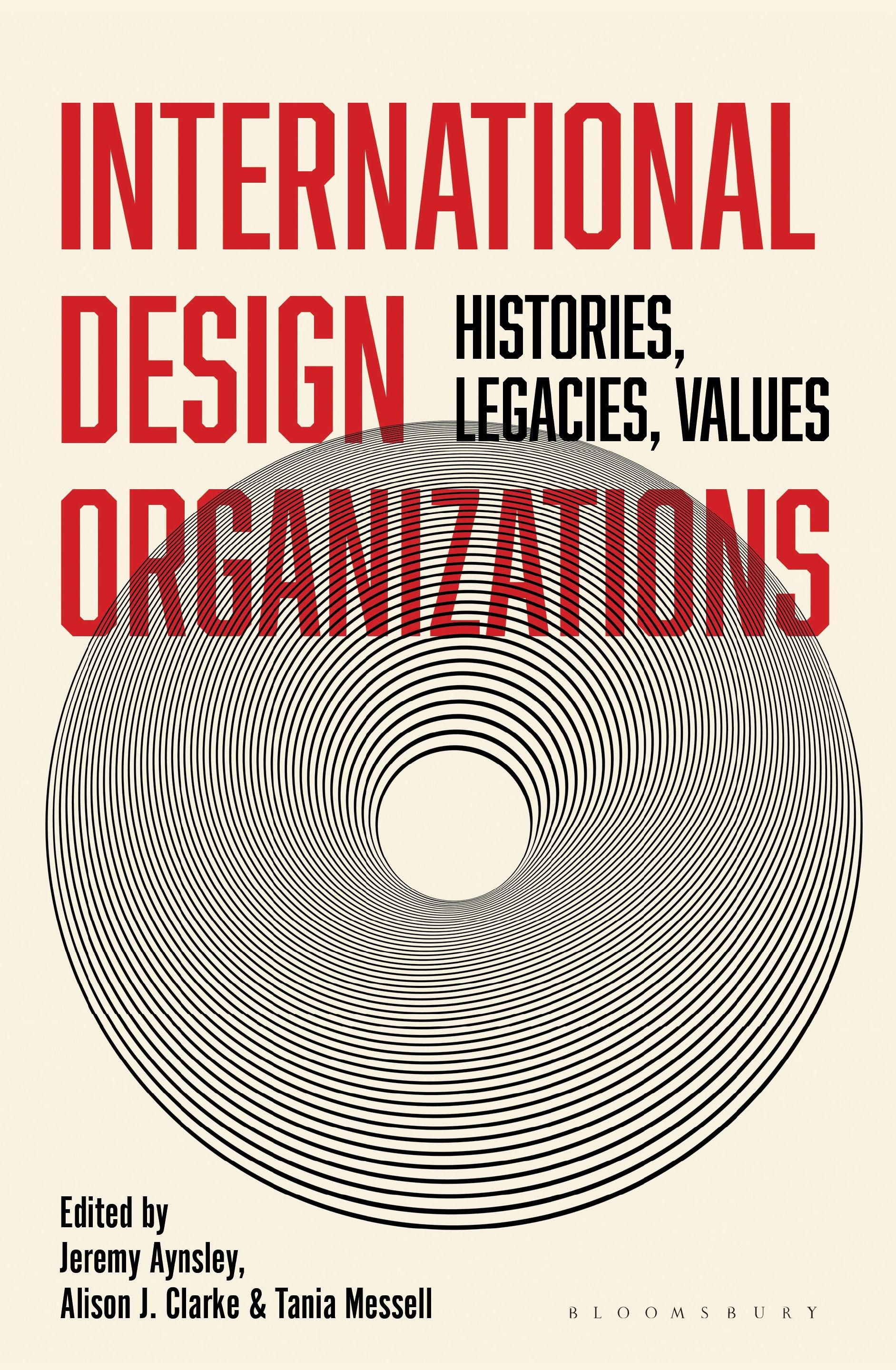
This innovative volume brings together international design scholars to address the history and present-day status of national and international design organizations, working across design disciplines and located in countries including Argentina, Turkey, Estonia, Switzerland, Italy, China and the USA.
In the second half of the 20th century, many non-governmental organizations were created to address urgent cultural, economic and welfare issues. Design organizations set out to create an international consensus for the future direction of design. This included enhancing communication between professionals, educators and practitioners, raising standards for design, and creating communities of designers across linguistic, national and political borders. Shared needs and agendas were identified and categories of design constantly defined and re-defined, often with overt cultural and political intents.
Drawing on an impressive range of original research, archival sources and oral testimony, this volume questions the aims and achievements of national and international design organizations in light of their subsequent histories and their global remits. The Cold War period is central to the book, while many chapters draw on post-colonial perspectives to interpret how transnational networks and negotiations took place at events and congresses, and through publication.
In the second half of the 20th century, many non-governmental organizations were created to address urgent cultural, economic and welfare issues. Design organizations set out to create an international consensus for the future direction of design. This included enhancing communication between professionals, educators and practitioners, raising standards for design, and creating communities of designers across linguistic, national and political borders. Shared needs and agendas were identified and categories of design constantly defined and re-defined, often with overt cultural and political intents.
Drawing on an impressive range of original research, archival sources and oral testimony, this volume questions the aims and achievements of national and international design organizations in light of their subsequent histories and their global remits. The Cold War period is central to the book, while many chapters draw on post-colonial perspectives to interpret how transnational networks and negotiations took place at events and congresses, and through publication.
Betal nemt med kort, Klarna, Apple Pay eller Google Pay. Ikke tilfreds? Du har altid 14 dages fortrydelsesret. Læs mere i vores vilkår. Har du spørgsmål, så send os en mail på hello@memmo.org.
Memmo gør det nemmere at studere – uanset hvor du er i verden. Hos os samler du dine kursusbøger og smarte studieværktøjer ét sted: resuméer, quizzer, podcasts og flashcards. Og så er der Ted, din studieven, der svarer på alt, du undrer dig over. Over 50 000 studerende studerer allerede her – bygget til at hjælpe dig med at lære hurtigere og stresse mindre.