
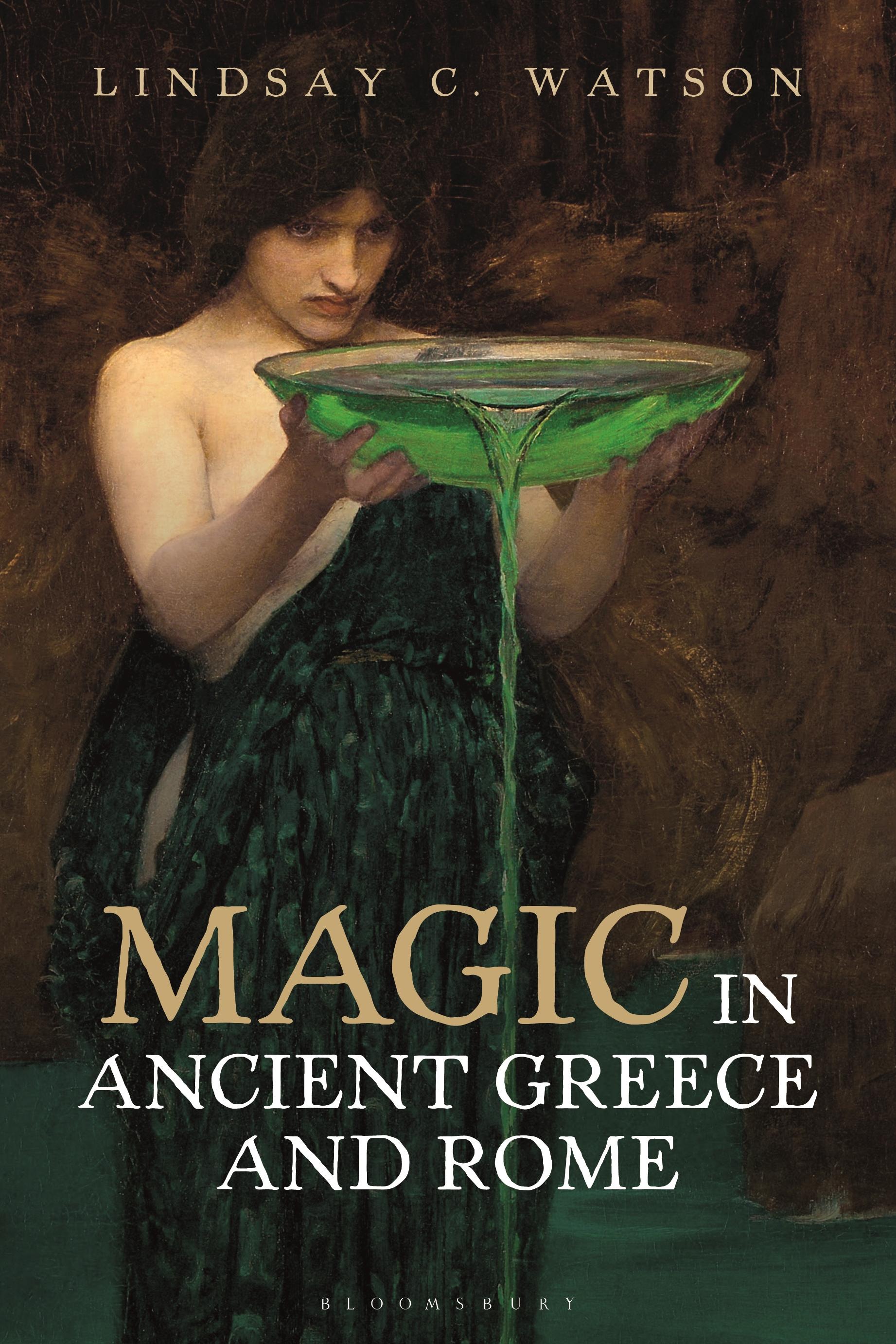
Parting company with the trend in recent scholarship to treat the subject in abstract, highly theoretical terms, Magic in Ancient Greece and Rome proposes that the magic-working of antiquity was in reality a highly pragmatic business, with very clearly formulated aims - often of an exceedingly malignant kind.
In seven chapters, each addressed to an important arm of Greco-Roman magic, the volume discusses the history of the rediscovery and publication of the so-called Greek Magical Papyri, a key source for our understanding of ancient magic; the startling violence of ancient erotic spells and the use of these by women as well as men; the alteration in the landscape of defixio (curse tablet) studies by major new finds and the confirmation these provide that the frequently lethal intent of such tablets must not be downplayed; the use of herbs in magic, considered from numerous perspectives but with an especial focus on the bizarre-seeming rituals and protocols attendant upon their collection; the employment of animals in magic, the factors determining the choice of animal, the uses to which they were put, and the procuring and storage of animal parts, conceivably in a sorcerer's workshop; the witch as a literary construct, the clear homologies between the magical procedures of fictional witches and those documented for real spells, the gendering of the witch-figure and the reductive presentation of sorceresses as old, risible and ineffectual; the issue of whether ancient magicians practised human sacrifice and the illuminating parallels between such accusations and late 20th century accounts of child-murder in the context of perverted Satanic rituals.
By challenging a number of orthodoxies and opening up some underexamined aspects of the subject, this wide-ranging study stakes out important new territory in the field of magical studies.
In seven chapters, each addressed to an important arm of Greco-Roman magic, the volume discusses the history of the rediscovery and publication of the so-called Greek Magical Papyri, a key source for our understanding of ancient magic; the startling violence of ancient erotic spells and the use of these by women as well as men; the alteration in the landscape of defixio (curse tablet) studies by major new finds and the confirmation these provide that the frequently lethal intent of such tablets must not be downplayed; the use of herbs in magic, considered from numerous perspectives but with an especial focus on the bizarre-seeming rituals and protocols attendant upon their collection; the employment of animals in magic, the factors determining the choice of animal, the uses to which they were put, and the procuring and storage of animal parts, conceivably in a sorcerer's workshop; the witch as a literary construct, the clear homologies between the magical procedures of fictional witches and those documented for real spells, the gendering of the witch-figure and the reductive presentation of sorceresses as old, risible and ineffectual; the issue of whether ancient magicians practised human sacrifice and the illuminating parallels between such accusations and late 20th century accounts of child-murder in the context of perverted Satanic rituals.
By challenging a number of orthodoxies and opening up some underexamined aspects of the subject, this wide-ranging study stakes out important new territory in the field of magical studies.
Betal nemt med kort, Klarna, Apple Pay eller Google Pay. Ikke tilfreds? Du har altid 14 dages fortrydelsesret. Læs mere i vores vilkår. Har du spørgsmål, så send os en mail på hello@memmo.org.
Memmo gør det nemmere at studere – uanset hvor du er i verden. Hos os samler du dine kursusbøger og smarte studieværktøjer ét sted: resuméer, quizzer, podcasts og flashcards. Og så er der Ted, din studieven, der svarer på alt, du undrer dig over. Over 50 000 studerende studerer allerede her – bygget til at hjælpe dig med at lære hurtigere og stresse mindre.