
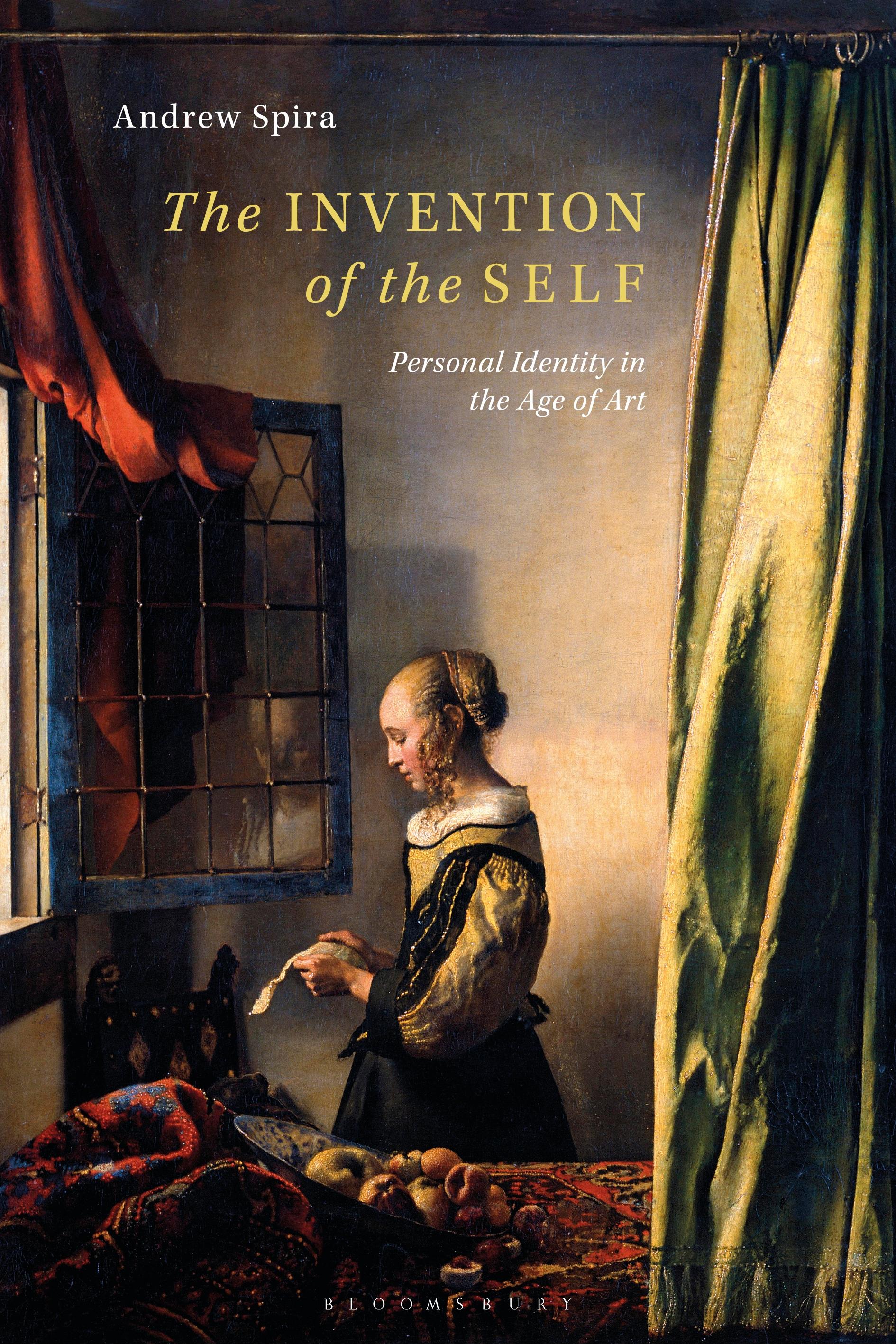
A 2021 Choice Outstanding Academic Title
This book is an examination of personal identity, exploring both who we think we are, and how we construct the sense of ourselves through art. It proposes that the notion of personal identity is a psycho-social construction that has evolved over many centuries. While this idea has been widely discussed in recent years, Andrew Spira approaches it from a completely new point of view. Rather than relying on the thinking subject's attempts to identify itself consciously and verbally, it focuses on the traces that the self-sense has unconsciously left in the fabric of its environment in the form of non-verbal cultural conventions. Covering a millennium of western European cultural history, it amounts to an 'anthropology of personal identity in the West'.
Following a broadly chronological path, Spira traces the self-sense from its emergence from the collectivity of the medieval Church to its consummation in the individualistic concept of artistic genius in the nineteenth century. In doing so, it aims to bridge a gap that exists between cultural history and philosophy. Regarding cultural history (especially art history), it elicits significances from its material that have been thoroughly overlooked. Regarding philosophy, it highlights the crucial role that material culture plays in the formation of philosophical ideas. It argues that the sense of personal self is as much revealed by cultural conventions - and as a cultural convention - as it is observable to the mind as an object of philosophical enquiry.
This book is an examination of personal identity, exploring both who we think we are, and how we construct the sense of ourselves through art. It proposes that the notion of personal identity is a psycho-social construction that has evolved over many centuries. While this idea has been widely discussed in recent years, Andrew Spira approaches it from a completely new point of view. Rather than relying on the thinking subject's attempts to identify itself consciously and verbally, it focuses on the traces that the self-sense has unconsciously left in the fabric of its environment in the form of non-verbal cultural conventions. Covering a millennium of western European cultural history, it amounts to an 'anthropology of personal identity in the West'.
Following a broadly chronological path, Spira traces the self-sense from its emergence from the collectivity of the medieval Church to its consummation in the individualistic concept of artistic genius in the nineteenth century. In doing so, it aims to bridge a gap that exists between cultural history and philosophy. Regarding cultural history (especially art history), it elicits significances from its material that have been thoroughly overlooked. Regarding philosophy, it highlights the crucial role that material culture plays in the formation of philosophical ideas. It argues that the sense of personal self is as much revealed by cultural conventions - and as a cultural convention - as it is observable to the mind as an object of philosophical enquiry.
Betal nemt med kort, Klarna, Apple Pay eller Google Pay. Ikke tilfreds? Du har altid 14 dages fortrydelsesret. Læs mere i vores vilkår. Har du spørgsmål, så send os en mail på hello@memmo.org.
Memmo gør det nemmere at studere – uanset hvor du er i verden. Hos os samler du dine kursusbøger og smarte studieværktøjer ét sted: resuméer, quizzer, podcasts og flashcards. Og så er der Ted, din studieven, der svarer på alt, du undrer dig over. Over 50 000 studerende studerer allerede her – bygget til at hjælpe dig med at lære hurtigere og stresse mindre.