
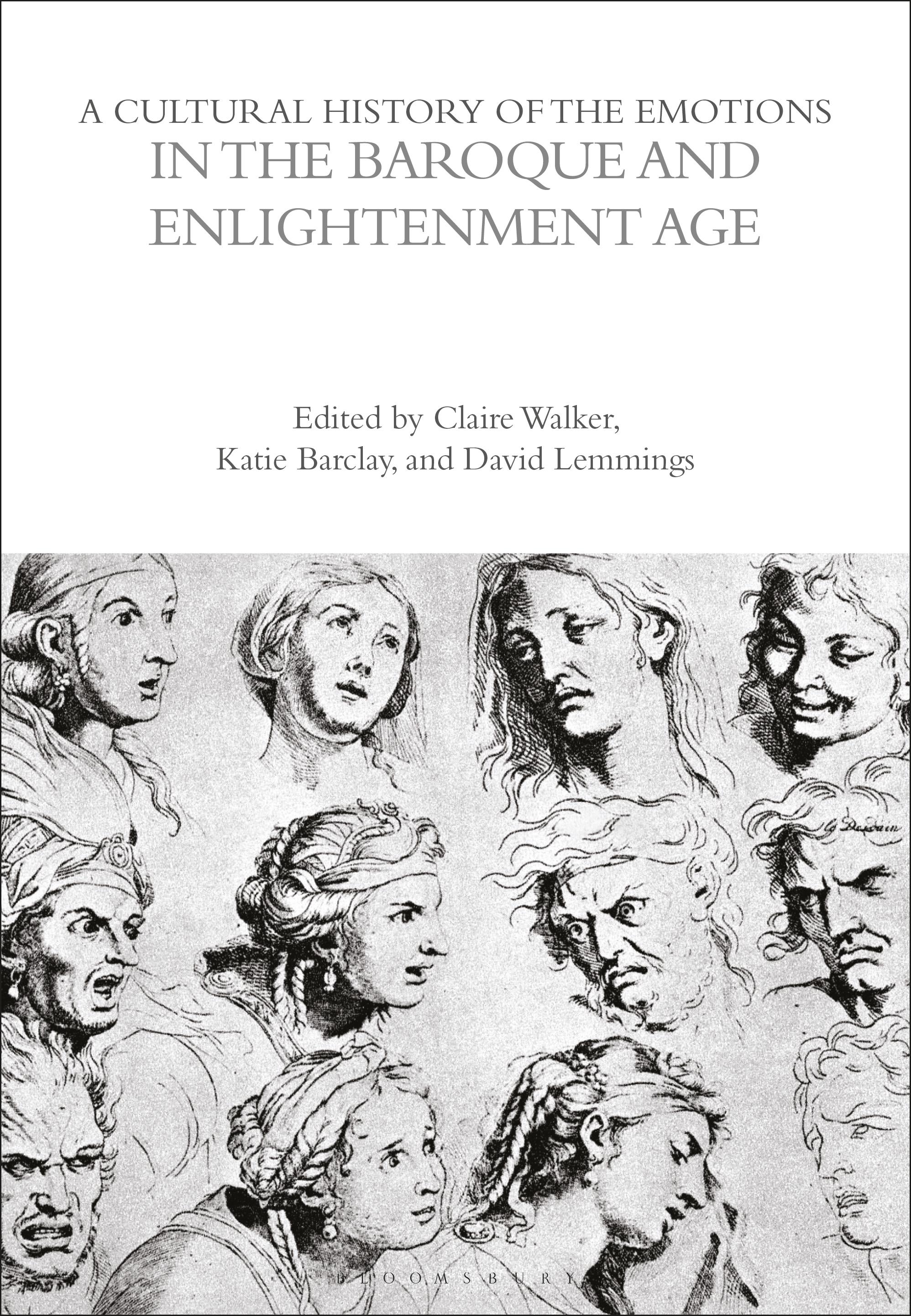
During the period of the Baroque and Enlightenment the word “emotion”, denoting passions and feelings, came into usage, albeit in an irregular fashion. “Emotion” ultimately emerged as a term in its own right, and evolved in English from meaning physical agitation to describe mental feeling. However, the older terminology of “passions” and “affections” continued as the dominant discourse structuring thinking about feeling and its wider religious, political, social, economic, and moral imperatives. The emotional cultures described in these essays enable some comparative discussion about the history of emotions, and particularly the causes and consequences of emotional change in the larger cultural contexts of the Baroque and Enlightenment. Emotions research has enabled a rethinking of dominant narratives of the period-of histories of revolution, state-building, the rise of the public sphere, religious and scientific transformation, and more. As a new and dynamic field, the essays here are just the beginning of a much bigger history of emotions.
Betal nemt med kort, Klarna, Apple Pay eller Google Pay. Ikke tilfreds? Du har altid 14 dages fortrydelsesret. Læs mere i vores vilkår. Har du spørgsmål, så send os en mail på hello@memmo.org.
Memmo gør det nemmere at studere – uanset hvor du er i verden. Hos os samler du dine kursusbøger og smarte studieværktøjer ét sted: resuméer, quizzer, podcasts og flashcards. Og så er der Ted, din studieven, der svarer på alt, du undrer dig over. Over 50 000 studerende studerer allerede her – bygget til at hjælpe dig med at lære hurtigere og stresse mindre.