
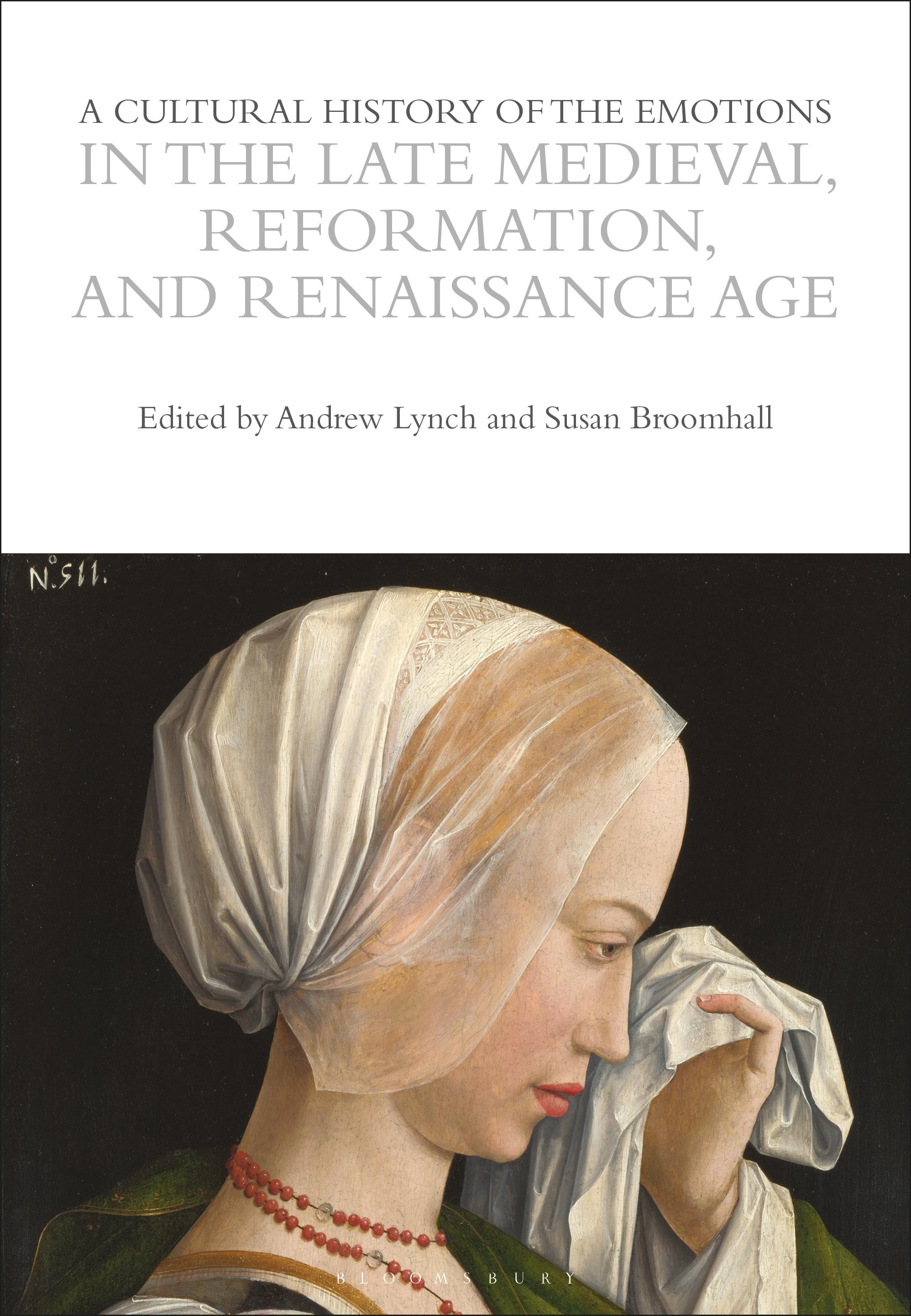
The period 1300-1600 CE was one of intense and far-reaching emotional realignments in European culture. New desires and developments in politics, religion, philosophy, the arts and literature fundamentally changed emotional attitudes to history, creating the sense of a rupture from the immediate past. In this volatile context, cultural products of all kinds offered competing objects of love, hate, hope and fear. Art, music, dance and song provided new models of family affection, interpersonal intimacy, relationship with God, and gender and national identities. The public and private spaces of courts, cities and houses shaped the practices and rituals in which emotional lives were expressed and understood. Scientific and medical discoveries changed emotional relations to the cosmos, the natural world and the body. Both continuing traditions and new sources of cultural authority made emotions central to the concept of human nature, and involved them in every aspect of existence.
Betal nemt med kort, Klarna, Apple Pay eller Google Pay. Ikke tilfreds? Du har altid 14 dages fortrydelsesret. Læs mere i vores vilkår. Har du spørgsmål, så send os en mail på hello@memmo.org.
Memmo gør det nemmere at studere – uanset hvor du er i verden. Hos os samler du dine kursusbøger og smarte studieværktøjer ét sted: resuméer, quizzer, podcasts og flashcards. Og så er der Ted, din studieven, der svarer på alt, du undrer dig over. Over 50 000 studerende studerer allerede her – bygget til at hjælpe dig med at lære hurtigere og stresse mindre.