
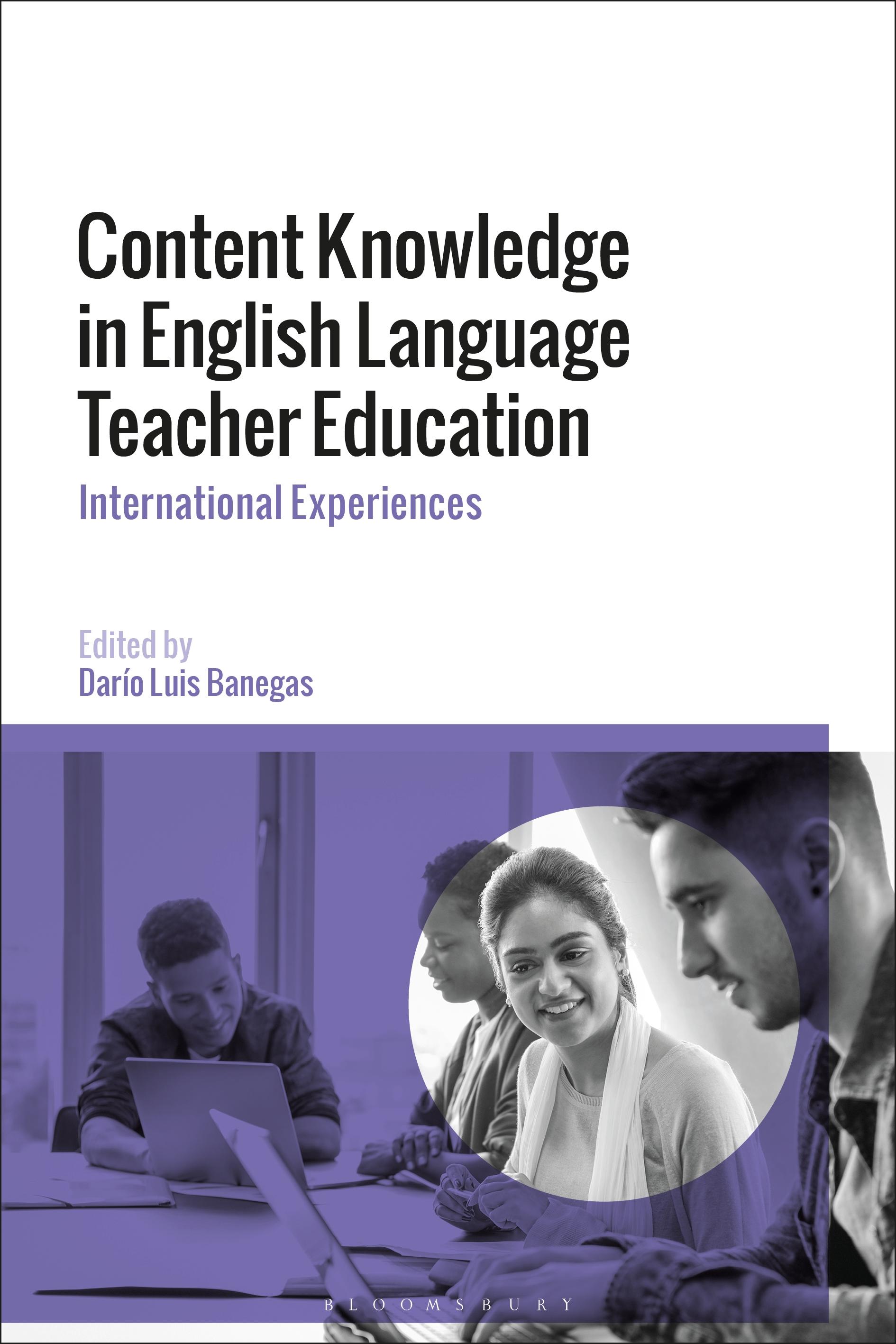
Content Knowledge in English Language Teacher Education provides original professional experiences and research accounts of teaching language in the specific context of English language teacher education programmes in diverse international settings, with contributions from Argentina, Australia, Chile, China, Ecuador, Japan, Mexico, the USA and Turkey.
The volume focuses on how teacher educators plan and deliver modules which help future teachers understand English as a system and develop English language proficiency. The contributors describe and analyse their professional practices in designing, delivering and evaluating modules or courses on understanding the English language as a system, i.e. content knowledge, exploring the teaching of elements such as phonetics, phonology, grammar, pragmatics, philology, and discourse analysis. In addition, they draw on their vast professional experience to explore how to successfully develop competence and language skills in English so that teachers can become models and proficient users of the language for their students.
The contributions range from more historical and functionally linguistic focused chapters to more sociocultural explorations of teaching English to future teachers including interculturality, multilingualism, World Englishes, critical thinking skills, academic writing, and literacy through literature.
The accounts shed light on the diverse practices of educators from many different countries, contexts, and cultural and linguistic backgrounds, drawing links between policy and practice, to locate much of English language teacher education and curriculum development outside the so-called 'inner circle' of native English-language speaking contexts, practitioners, and researchers.
The volume focuses on how teacher educators plan and deliver modules which help future teachers understand English as a system and develop English language proficiency. The contributors describe and analyse their professional practices in designing, delivering and evaluating modules or courses on understanding the English language as a system, i.e. content knowledge, exploring the teaching of elements such as phonetics, phonology, grammar, pragmatics, philology, and discourse analysis. In addition, they draw on their vast professional experience to explore how to successfully develop competence and language skills in English so that teachers can become models and proficient users of the language for their students.
The contributions range from more historical and functionally linguistic focused chapters to more sociocultural explorations of teaching English to future teachers including interculturality, multilingualism, World Englishes, critical thinking skills, academic writing, and literacy through literature.
The accounts shed light on the diverse practices of educators from many different countries, contexts, and cultural and linguistic backgrounds, drawing links between policy and practice, to locate much of English language teacher education and curriculum development outside the so-called 'inner circle' of native English-language speaking contexts, practitioners, and researchers.
Betal nemt med kort, Klarna, Apple Pay eller Google Pay. Ikke tilfreds? Du har altid 14 dages fortrydelsesret. Læs mere i vores vilkår. Har du spørgsmål, så send os en mail på hello@memmo.org.
Memmo gør det nemmere at studere – uanset hvor du er i verden. Hos os samler du dine kursusbøger og smarte studieværktøjer ét sted: resuméer, quizzer, podcasts og flashcards. Og så er der Ted, din studieven, der svarer på alt, du undrer dig over. Over 50 000 studerende studerer allerede her – bygget til at hjælpe dig med at lære hurtigere og stresse mindre.