
How should we study religion? Must we be religious ourselves to truly understand it? Do we study religion to advance our knowledge, or should the study of religions help to reintroduce the sacred into our increasingly secularized world?
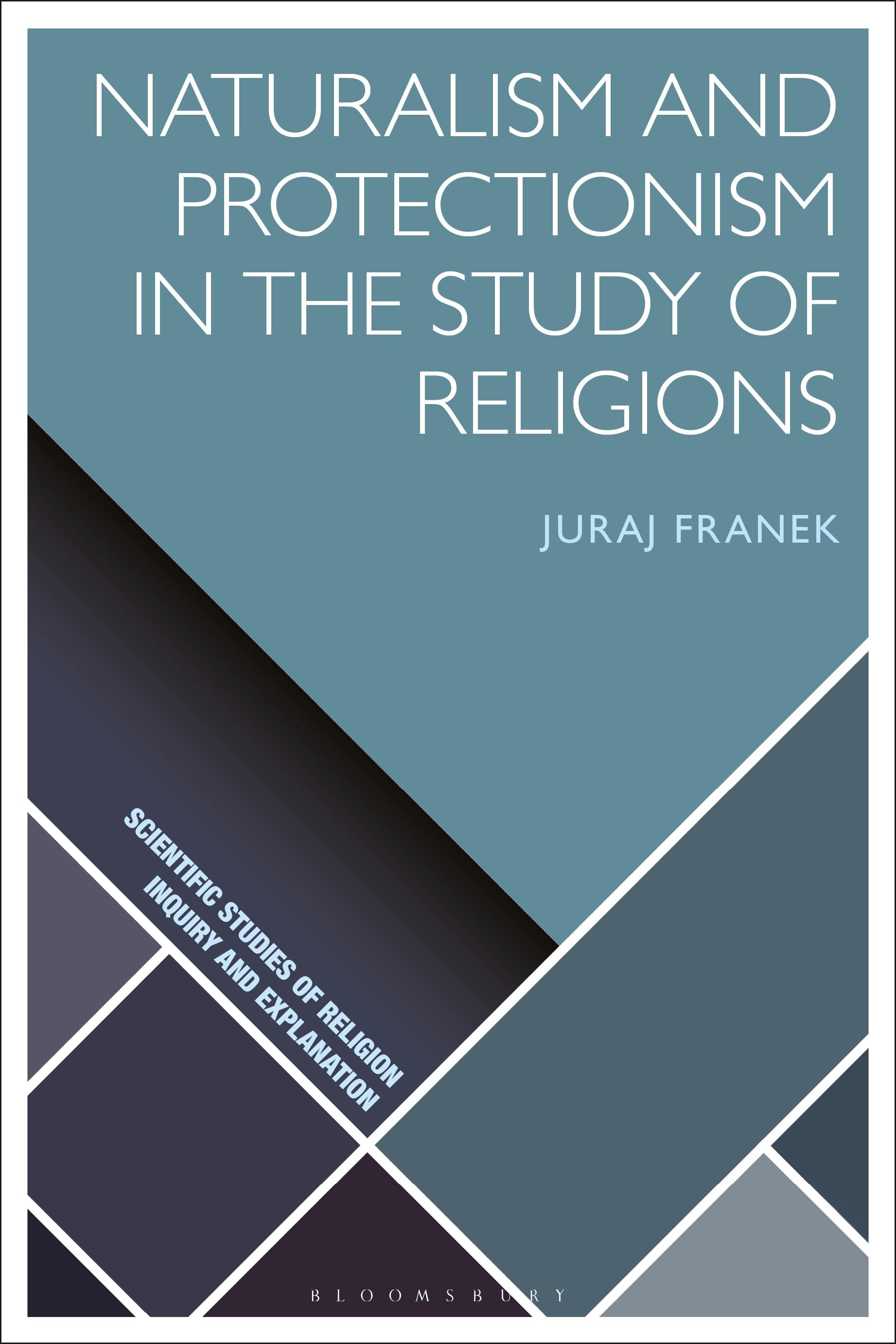
Juraj Franek argues that the study of religion has long been split into two competing paradigms: reductive (naturalist) and non-reductive (protectionist). While the naturalistic approach seems to run the risk of explaining religious phenomena away, the protectionist approach appears to risk falling short of the methodological standards of modern science. Franek uses primary source material from Greek and Latin sources to show that both competing paradigms are traceable to Presocratic philosophy and early Christian literature. He presents the idea that naturalists are distant heirs, not only of the French Enlightenment, but also of the Ionian one. Likewise, he argues that protectionists owe much of their arguments and strategies, not only to Luther and the Reformation, but to the earliest Christian literature.
This book analyses the conflict between reductive and non-reductive approach in the modern study of religions, and positions the Cognitive Science of Religion against a background of previous theories - ancient and modern - to demonstrate its importance for the revindication of the naturalist paradigm.
Juraj Franek argues that the study of religion has long been split into two competing paradigms: reductive (naturalist) and non-reductive (protectionist). While the naturalistic approach seems to run the risk of explaining religious phenomena away, the protectionist approach appears to risk falling short of the methodological standards of modern science. Franek uses primary source material from Greek and Latin sources to show that both competing paradigms are traceable to Presocratic philosophy and early Christian literature. He presents the idea that naturalists are distant heirs, not only of the French Enlightenment, but also of the Ionian one. Likewise, he argues that protectionists owe much of their arguments and strategies, not only to Luther and the Reformation, but to the earliest Christian literature.
This book analyses the conflict between reductive and non-reductive approach in the modern study of religions, and positions the Cognitive Science of Religion against a background of previous theories - ancient and modern - to demonstrate its importance for the revindication of the naturalist paradigm.
Sider: 256
Kategori: Religion & Teologi
e-ISBN: 9781350082397
Forsendelsesvægt: 1.2 kg
Sendes inden for: 1-2 dage
Betal nemt med kort, Klarna, Apple Pay eller Google Pay. Ikke tilfreds? Du har altid 14 dages fortrydelsesret. Læs mere i vores vilkår. Har du spørgsmål, så send os en mail på hello@memmo.org.
Memmo gør det nemmere at studere – uanset hvor du er i verden. Hos os samler du dine kursusbøger og smarte studieværktøjer ét sted: resuméer, quizzer, podcasts og flashcards. Og så er der Ted, din studieven, der svarer på alt, du undrer dig over. Over 50 000 studerende studerer allerede her – bygget til at hjælpe dig med at lære hurtigere og stresse mindre.