
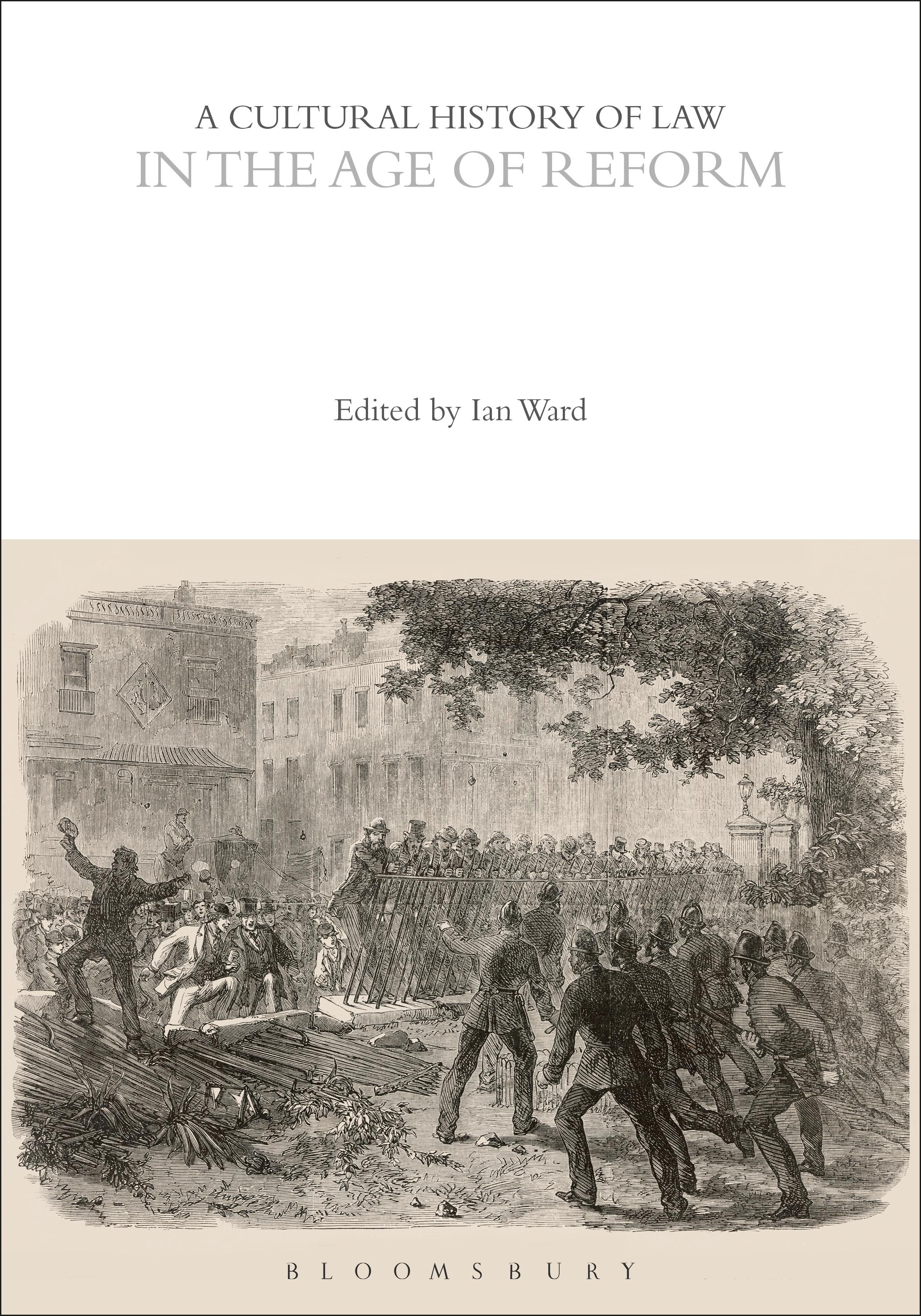
The Age of Reform – the hundred years from 1820 to 1920 - has become synonymous with innovation and change but this period was also in many ways a deeply conservative and cautious one. With reform came reaction and revolution and this was as true of the law as it was of literature, art and technology. The age of Great Exhibitions and Great Reform Acts was also the age of newly systemized police forces, courts and prisons. A Cultural History of Law in the Age of Reform presents an overview of the period with a focus on human stories located in the crush between legal formality and social reform: the newly uniformed police, criminal mugshots, judge and jury, the shame of child labor, and the need for neighborliness in the crowded urban and increasingly industrial landscapes of Europe and the United States.
Drawing upon a wealth of visual and textual sources, A Cultural History of Law in the Age of Reform presents essays that examine key cultural case studies of the period on the themes of justice, constitution, codes, agreements, arguments, property and possession, wrongs, and the legal profession.
Drawing upon a wealth of visual and textual sources, A Cultural History of Law in the Age of Reform presents essays that examine key cultural case studies of the period on the themes of justice, constitution, codes, agreements, arguments, property and possession, wrongs, and the legal profession.
Betal nemt med kort, Klarna, Apple Pay eller Google Pay. Ikke tilfreds? Du har altid 14 dages fortrydelsesret. Læs mere i vores vilkår. Har du spørgsmål, så send os en mail på hello@memmo.org.
Memmo gør det nemmere at studere – uanset hvor du er i verden. Hos os samler du dine kursusbøger og smarte studieværktøjer ét sted: resuméer, quizzer, podcasts og flashcards. Og så er der Ted, din studieven, der svarer på alt, du undrer dig over. Over 50 000 studerende studerer allerede her – bygget til at hjælpe dig med at lære hurtigere og stresse mindre.