
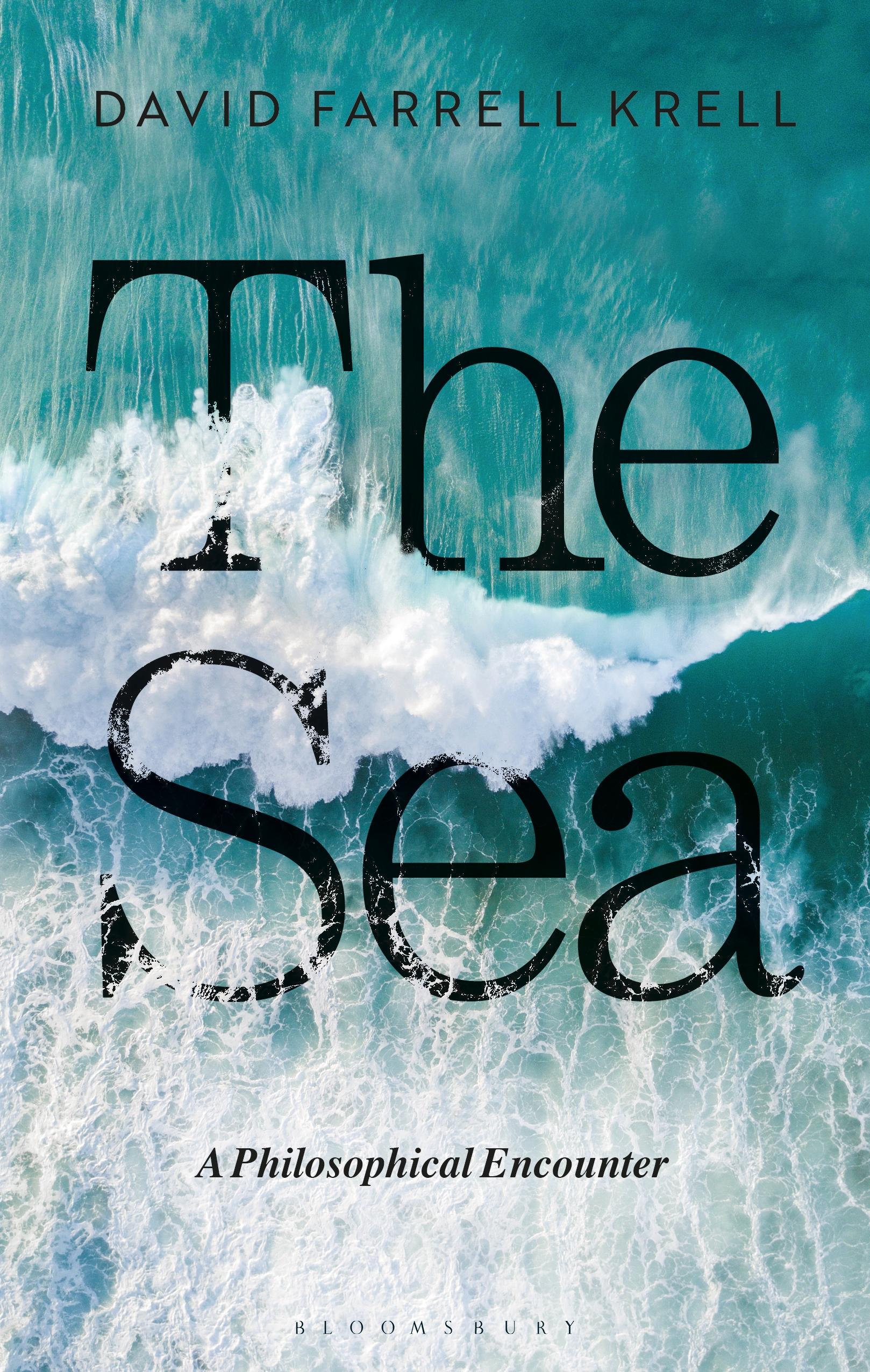
Humankind has a profound and complex relationship with the sea, a relationship that is extensively reflected in biology, psychology, religion, literature and poetry. The sea cradles and soothes us, we visit it often for solace and inspiration, it is familiar, being the place where life ultimately began. Yet the sea is also dark and mysterious and often spells catastrophe and death. The sea is a set of contradictions: kind, cruel, indifferent. She is a blind will that will 'have her way'. In exploring this most capricious of phenomena, David Farrell Krell engages the work of an array of thinkers and writers including, but not limited to, Homer, Thales, Anaximander, Heraclitus, Plato, Aristotle, Hölderlin, Melville, Woolf, Whitman, Nietzsche, Heidegger, Schelling, Ferenczi, Rank and Freud.
The Sea explores the significance in Western civilization of the catastrophic and generative power of the sea and what humankind's complex relationship with it reveals about the human condition, human consciousness, temporality, striving, anxiety, happiness and mortality.
The Sea explores the significance in Western civilization of the catastrophic and generative power of the sea and what humankind's complex relationship with it reveals about the human condition, human consciousness, temporality, striving, anxiety, happiness and mortality.
Betal nemt med kort, Klarna, Apple Pay eller Google Pay. Ikke tilfreds? Du har altid 14 dages fortrydelsesret. Læs mere i vores vilkår. Har du spørgsmål, så send os en mail på hello@memmo.org.
Memmo gør det nemmere at studere – uanset hvor du er i verden. Hos os samler du dine kursusbøger og smarte studieværktøjer ét sted: resuméer, quizzer, podcasts og flashcards. Og så er der Ted, din studieven, der svarer på alt, du undrer dig over. Over 50 000 studerende studerer allerede her – bygget til at hjælpe dig med at lære hurtigere og stresse mindre.