
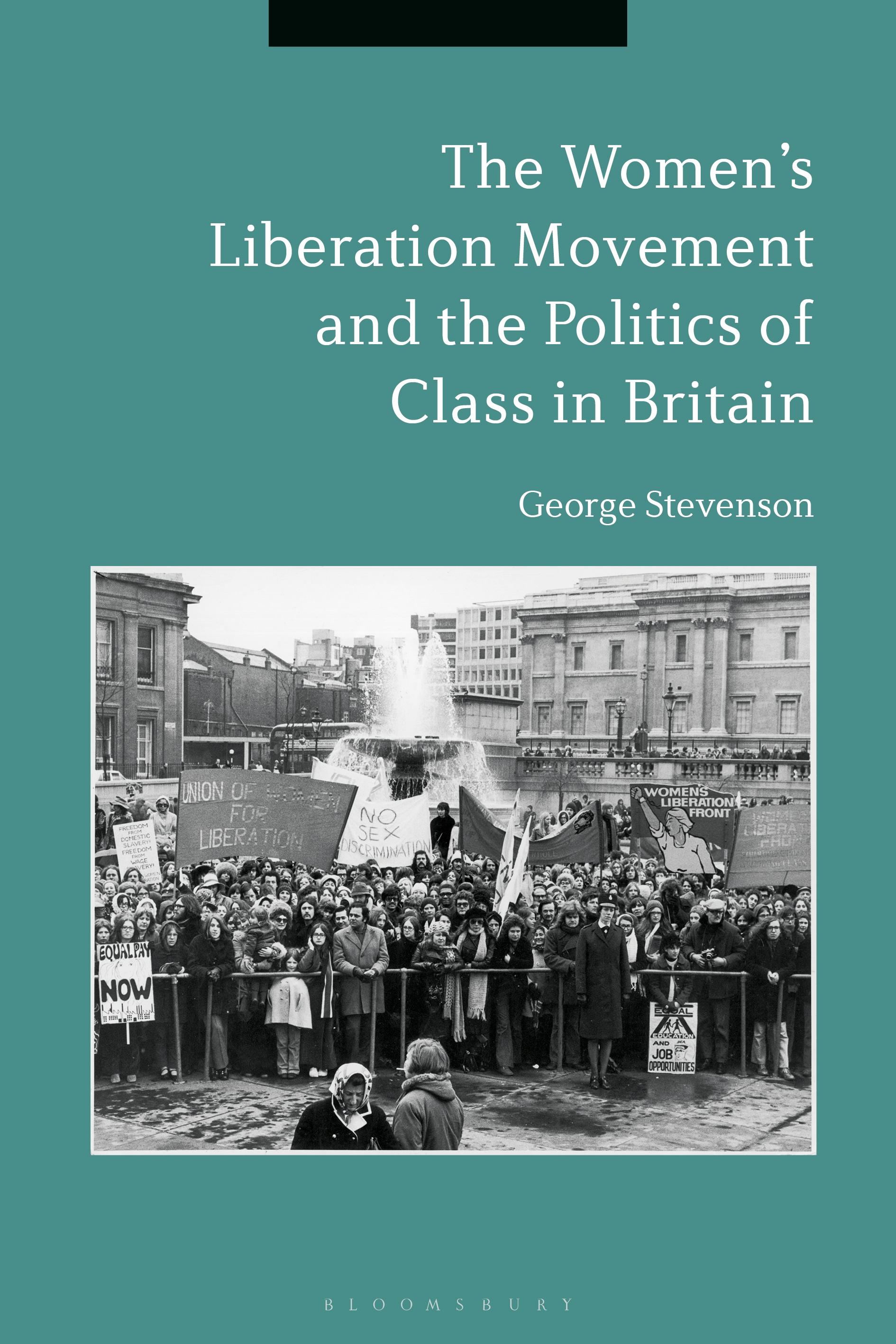
This is the first study of the British Women's Liberation Movement's relationship with class politics. It explores the meaning of class to women's liberationists' identities and activism, both nationally and regionally, using a previously neglected feminist cluster in North East England as a case study.
Stevenson demonstrates that British feminism was shaped fundamentally by its relationship to, synthesis with, and rejection of class politics. Through these processes, feminists recognised how post-war changes in the economy and gender roles were reshaping class and the Women's Liberation Movement attempted to remake class politics in response. However, socio-economic and cultural class differences between the women involved - linked to occupation, education and background - remained intractable obstacles causing tensions within groups, fragmentations into specific class-based groups and the ultimate failure of the movement to coalesce into a coherent coalition with labour politics, despite great levels of solidarity around particular struggles.
Examining regional feminism against the national backdrop, The Women's Liberation Movement and the Politics of Class in Britain provides an engaging exploration of the fruitful but challenging relationship between British feminism and class politics in a capitalist society.
Stevenson demonstrates that British feminism was shaped fundamentally by its relationship to, synthesis with, and rejection of class politics. Through these processes, feminists recognised how post-war changes in the economy and gender roles were reshaping class and the Women's Liberation Movement attempted to remake class politics in response. However, socio-economic and cultural class differences between the women involved - linked to occupation, education and background - remained intractable obstacles causing tensions within groups, fragmentations into specific class-based groups and the ultimate failure of the movement to coalesce into a coherent coalition with labour politics, despite great levels of solidarity around particular struggles.
Examining regional feminism against the national backdrop, The Women's Liberation Movement and the Politics of Class in Britain provides an engaging exploration of the fruitful but challenging relationship between British feminism and class politics in a capitalist society.
Betal nemt med kort, Klarna, Apple Pay eller Google Pay. Ikke tilfreds? Du har altid 14 dages fortrydelsesret. Læs mere i vores vilkår. Har du spørgsmål, så send os en mail på hello@memmo.org.
Memmo gør det nemmere at studere – uanset hvor du er i verden. Hos os samler du dine kursusbøger og smarte studieværktøjer ét sted: resuméer, quizzer, podcasts og flashcards. Og så er der Ted, din studieven, der svarer på alt, du undrer dig over. Over 50 000 studerende studerer allerede her – bygget til at hjælpe dig med at lære hurtigere og stresse mindre.