
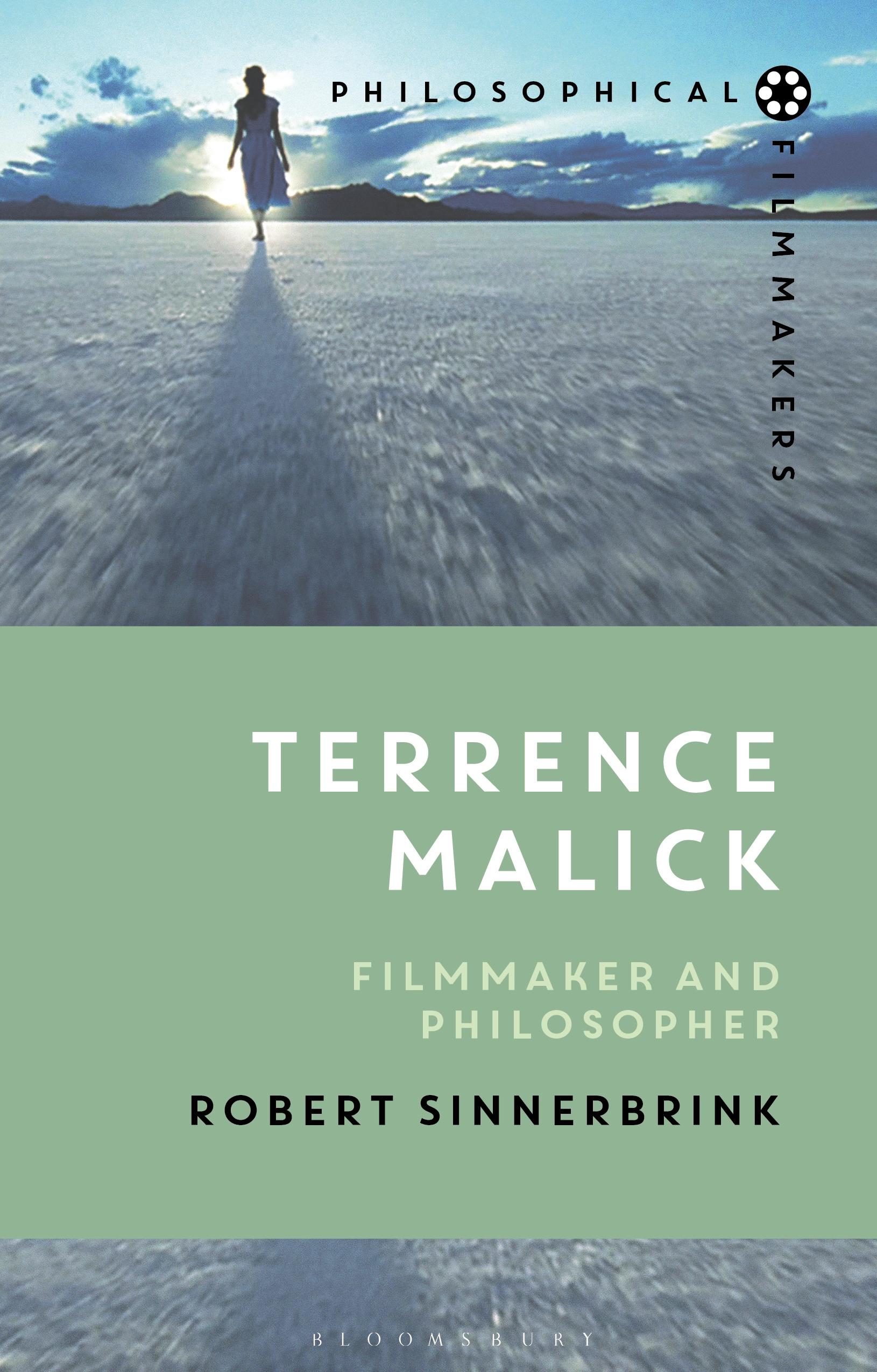
Many critics have approached Terrence Malick's work from a philosophical perspective, arguing that his films express philosophy through cinema. With their remarkable images of nature, poetic voiceovers, and meditative reflections, Malick's cinema certainly invites philosophical engagement.
In Terrence Malick: Filmmaker and Philosopher, Robert Sinnerbrink takes a different approach, exploring Malick's work as a case of cinematic ethics: films that evoke varieties of ethical experience, encompassing existential, metaphysical, and religious perspectives. Malick's films are not reducible to a particular moral position or philosophical doctrine; rather, they solicit ethically significant forms of experience, encompassing anxiety and doubt, wonder and awe, to questioning and acknowledgment, through aesthetic engagement and poetic reflection.
Drawing on a range of thinkers and approaches from Heidegger and Cavell, Nietzsche and Kierkegaard, to phenomenology and moral psychology Sinnerbrink explores how Malick's films respond to the problem of nihilism the loss of conviction or belief in prevailing forms of value and meaning and the possibility of ethical transformation through cinema: from self-transformation in our relations with others to cultural transformation via our attitudes towards towards nature and the world. Sinnerbrink shows how Malick's later films, from The Tree of Life to Voyage of Time, provide unique opportunities to explore cinematic ethics in relation to the crisis of belief, the phenomenology of love, and film's potential to invite moral transformation.
In Terrence Malick: Filmmaker and Philosopher, Robert Sinnerbrink takes a different approach, exploring Malick's work as a case of cinematic ethics: films that evoke varieties of ethical experience, encompassing existential, metaphysical, and religious perspectives. Malick's films are not reducible to a particular moral position or philosophical doctrine; rather, they solicit ethically significant forms of experience, encompassing anxiety and doubt, wonder and awe, to questioning and acknowledgment, through aesthetic engagement and poetic reflection.
Drawing on a range of thinkers and approaches from Heidegger and Cavell, Nietzsche and Kierkegaard, to phenomenology and moral psychology Sinnerbrink explores how Malick's films respond to the problem of nihilism the loss of conviction or belief in prevailing forms of value and meaning and the possibility of ethical transformation through cinema: from self-transformation in our relations with others to cultural transformation via our attitudes towards towards nature and the world. Sinnerbrink shows how Malick's later films, from The Tree of Life to Voyage of Time, provide unique opportunities to explore cinematic ethics in relation to the crisis of belief, the phenomenology of love, and film's potential to invite moral transformation.
Sider: 272
Kategori: Film- & Medievetenskap
e-ISBN: 9781350063655
Forsendelsesvægt: 1.2 kg
Sendes inden for: 1-2 dage
Betal nemt med kort, Klarna, Apple Pay eller Google Pay. Ikke tilfreds? Du har altid 14 dages fortrydelsesret. Læs mere i vores vilkår. Har du spørgsmål, så send os en mail på hello@memmo.org.
Memmo gør det nemmere at studere – uanset hvor du er i verden. Hos os samler du dine kursusbøger og smarte studieværktøjer ét sted: resuméer, quizzer, podcasts og flashcards. Og så er der Ted, din studieven, der svarer på alt, du undrer dig over. Over 50 000 studerende studerer allerede her – bygget til at hjælpe dig med at lære hurtigere og stresse mindre.