
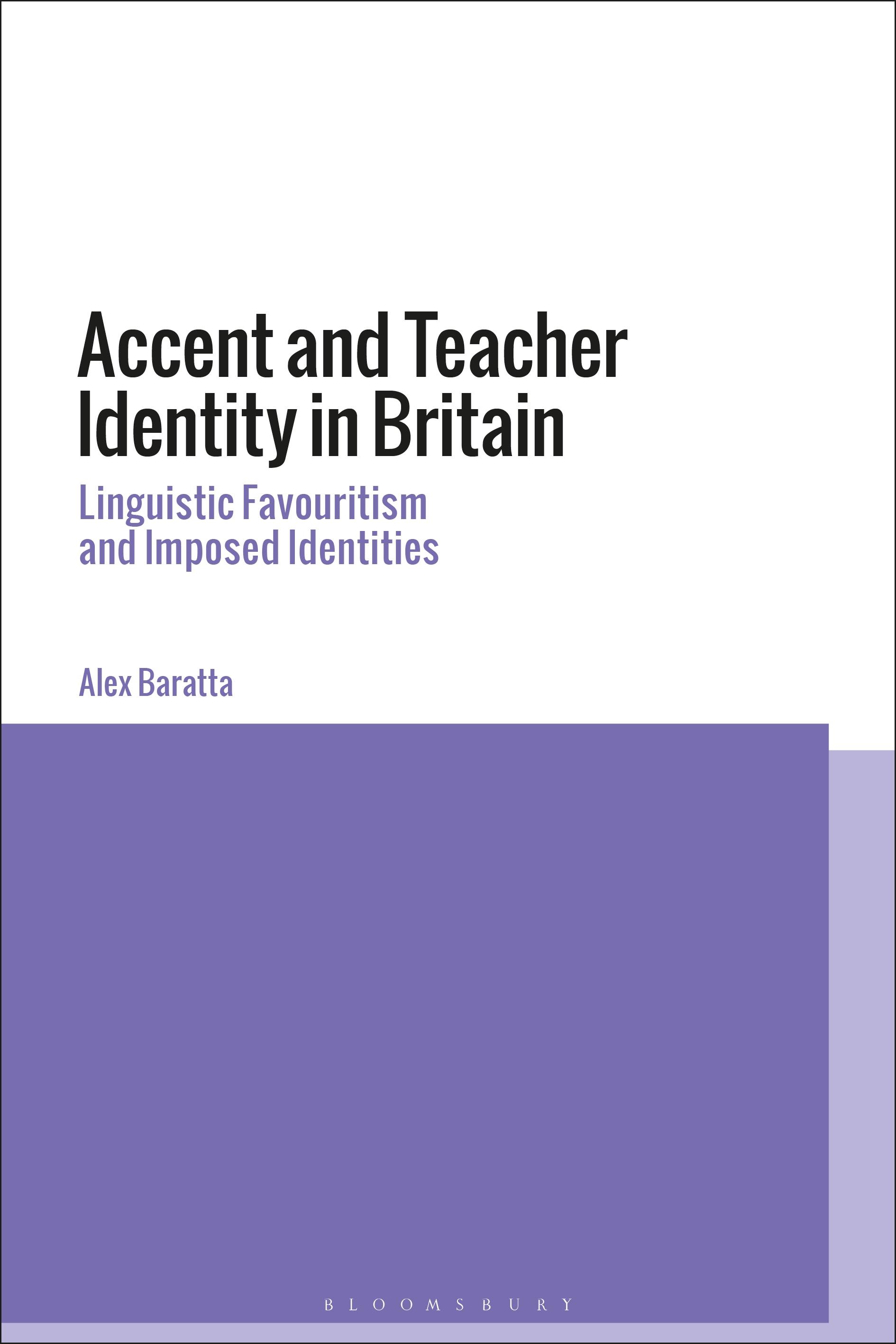
In British society, we celebrate diversity and champion equality across many areas, such as race and religion. However, where do British accents stand? Do notions such as 'common' or 'posh' still exist regarding certain accents, to the extent that people are deemed fit, or not, for certain professions, despite their qualifications? Accent and Teacher Identity in Britain explores these questions and Alex Baratta's research shows that those with accents regional to the North and Midlands are most likely to be told by mentors and senior staff to essentially sound less regional, whereas those from the Home Counties are less likely to be given instructions to change their accent at all. Baratta investigates the notion of linguistic power, in terms of which accents appear to be favoured within the context of teacher training and from the perspective of teachers who feel they lack power in the construction of their linguistic teacher identity. He also questions modifying one's accent to meet someone else's standard for what is 'linguistically appropriate', in terms of how such a modified accent impact on personal identity. Is accent modification regarded by the individual neutrally or is it seen as 'selling out'?
Betal nemt med kort, Klarna, Apple Pay eller Google Pay. Ikke tilfreds? Du har altid 14 dages fortrydelsesret. Læs mere i vores vilkår. Har du spørgsmål, så send os en mail på hello@memmo.org.
Memmo gør det nemmere at studere – uanset hvor du er i verden. Hos os samler du dine kursusbøger og smarte studieværktøjer ét sted: resuméer, quizzer, podcasts og flashcards. Og så er der Ted, din studieven, der svarer på alt, du undrer dig over. Over 50 000 studerende studerer allerede her – bygget til at hjælpe dig med at lære hurtigere og stresse mindre.