
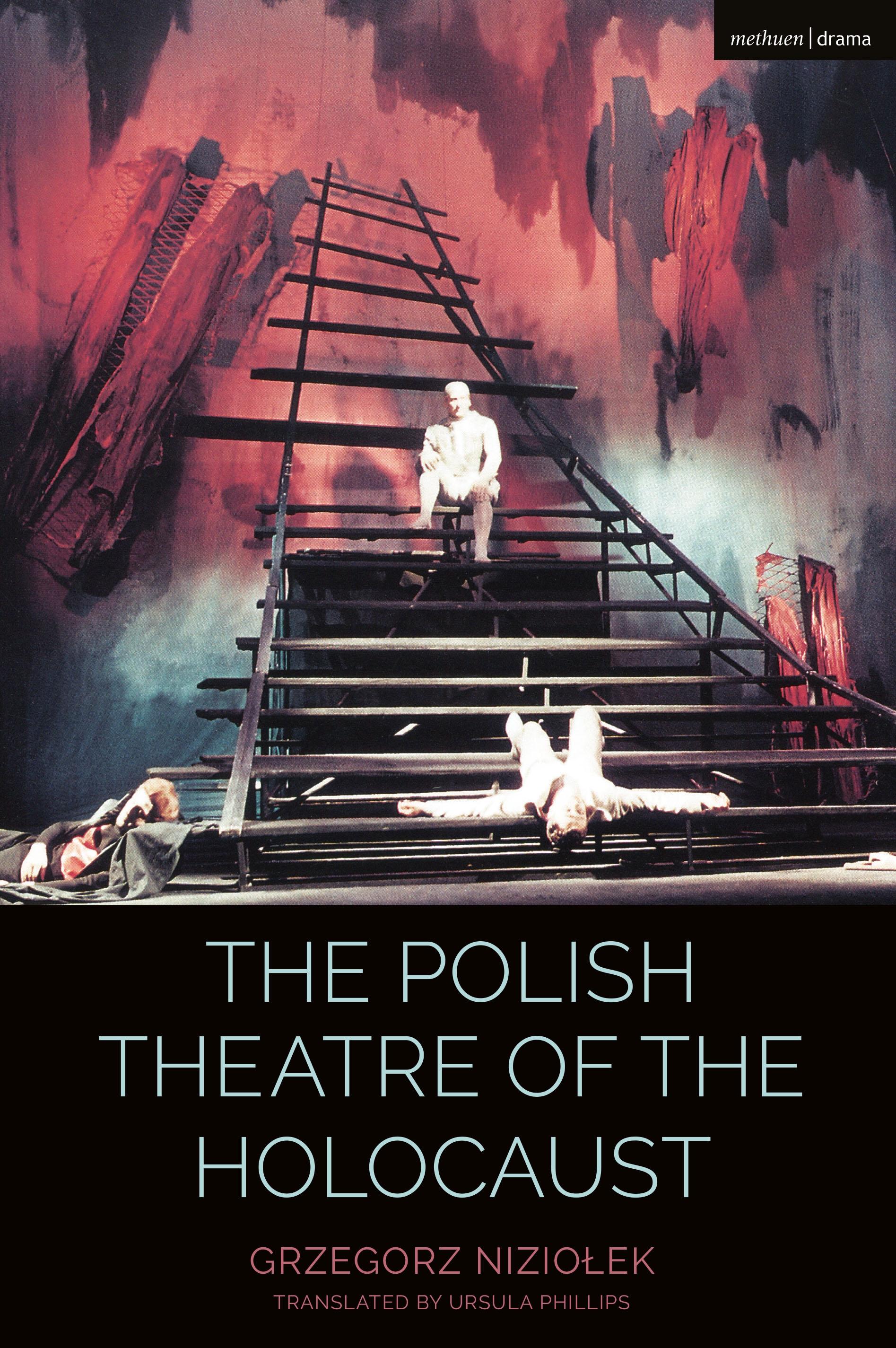
Grzegorz Niziolek's The Polish Theatre of the Holocaust is a pioneering analysis of the impact and legacy of the Holocaust on Polish theatre and society from 1945 to the present. It reveals the role of theatre as a crucial medium of collective memory – and collective forgetting – of the trauma of the Holocaust carried out by the Nazis on Polish soil. The period gave rise to two of the most radical and influential theatrical ideas during work on productions that addressed the subject of the Holocaust – Grotowski's Poor Theatre and Kantor's Theatre of Death - but the author examines a deeper impact in the role that theatre played in the processes of collective disavowal to being a witness to others' suffering.
In the first part, the author examines six decades of Polish theatre shaped by the perspective of the Holocaust in which its presence is variously visible or displaced. Particular attention is paid to the various types of distortion and the effect of 'wrong seeing' enacted in the theatre, as well as the traces of affective reception: shock, heightened empathy, indifference. In part two, Niziolek examines a range of theatrical events, including productions by Leon Schiller, Jerzy Grotowski, Tadeusz Kantor, Andrzej Wajda, Krzysztof Warlikowski and Ondrej Spišák. He considers how these productions confronted the experience of bearing witness and were profoundly shaped by the legacy of the Holocaust.
The Polish Theatre of the Holocaust reveals how -- by testifying about society's experience of the Holocaust -- theatre has been the setting for fundamental processes taking place within Polish culture as it confronts suppressed traumatic wartime experiences and a collective identity shaped by the past.
In the first part, the author examines six decades of Polish theatre shaped by the perspective of the Holocaust in which its presence is variously visible or displaced. Particular attention is paid to the various types of distortion and the effect of 'wrong seeing' enacted in the theatre, as well as the traces of affective reception: shock, heightened empathy, indifference. In part two, Niziolek examines a range of theatrical events, including productions by Leon Schiller, Jerzy Grotowski, Tadeusz Kantor, Andrzej Wajda, Krzysztof Warlikowski and Ondrej Spišák. He considers how these productions confronted the experience of bearing witness and were profoundly shaped by the legacy of the Holocaust.
The Polish Theatre of the Holocaust reveals how -- by testifying about society's experience of the Holocaust -- theatre has been the setting for fundamental processes taking place within Polish culture as it confronts suppressed traumatic wartime experiences and a collective identity shaped by the past.
Sider: 320
Kategori: Drama, Teater & Scenkonst
e-ISBN: 9781350039674
Forsendelsesvægt: 1.2 kg
Sendes inden for: 1-2 dage
Betal nemt med kort, Klarna, Apple Pay eller Google Pay. Ikke tilfreds? Du har altid 14 dages fortrydelsesret. Læs mere i vores vilkår. Har du spørgsmål, så send os en mail på hello@memmo.org.
Memmo gør det nemmere at studere – uanset hvor du er i verden. Hos os samler du dine kursusbøger og smarte studieværktøjer ét sted: resuméer, quizzer, podcasts og flashcards. Og så er der Ted, din studieven, der svarer på alt, du undrer dig over. Over 50 000 studerende studerer allerede her – bygget til at hjælpe dig med at lære hurtigere og stresse mindre.