
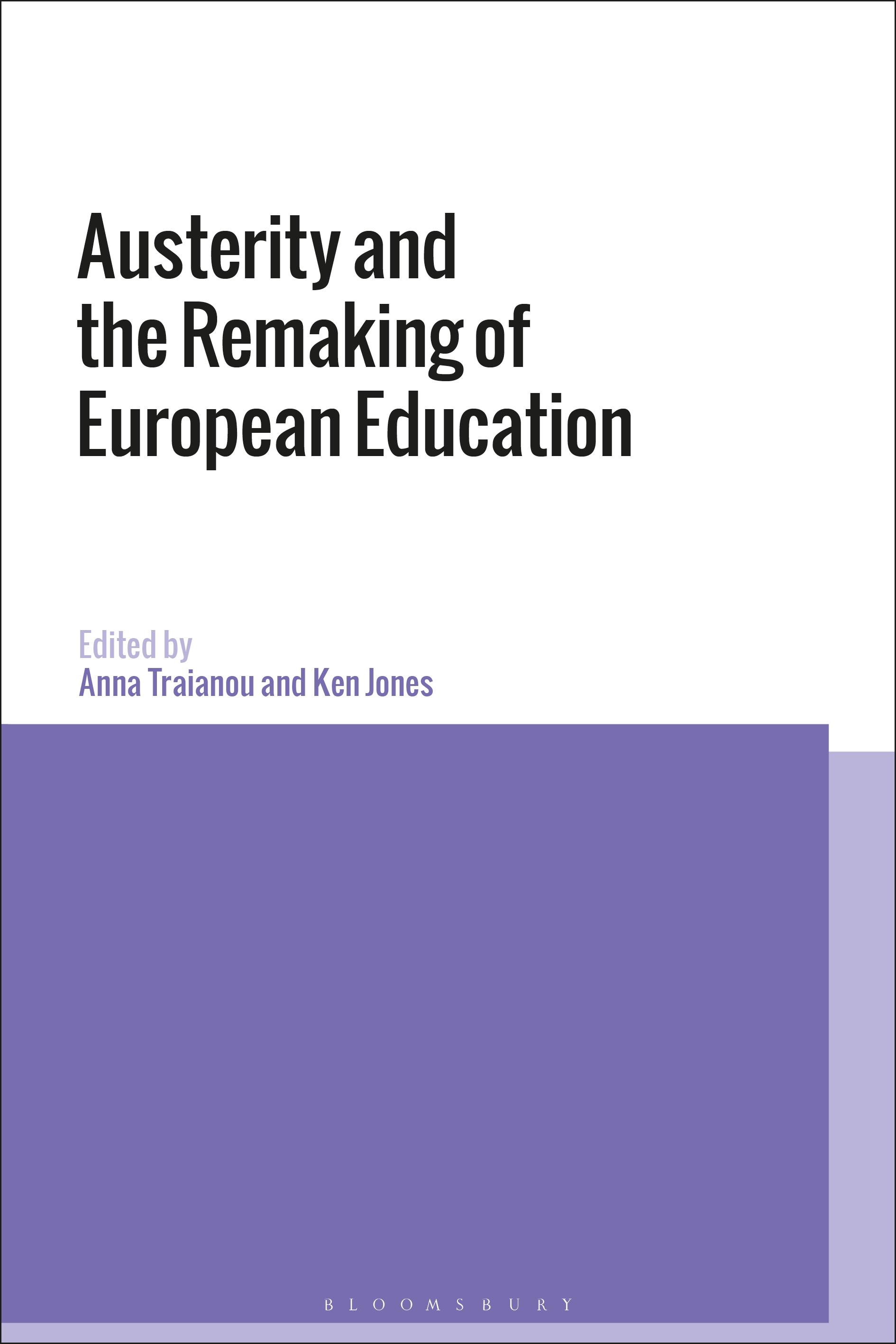
Austerity and the Remaking of European Education offers historically and empirically grounded accounts of national educational formations in Europe, at a specific time in their reshaping through encounters with global policy frameworks, and social and economic developments.
The authors explore these issues in the context of different pressures that impact on European education systems - from the constraints established by the European Central Bank and the European Commission across Southern Europe, to the 2008 financial crisis and the increased migration.
The book provides a rigorous theoretical approach to European and national policies, combined with detailed analyses of national educational contexts in England, France, Greece, Hungary and Sweden. These in-depth studies identify major issues of national education policymaking, and explore the complexities of global/national relationships. The economic crisis, the rise of the Left in Greece and of the populist Right in many countries in Europe, questions of cultural and religious diversity, tensions between marketization and inclusion are all brought into focus, offering findings that are of great interest to researchers of education policy, politics and sociology of education alike. In the final section of the book, the authors explore policy alternatives, as embodied in the activities of both governments and non-state actors, such as trade unions and social movements.
The authors explore these issues in the context of different pressures that impact on European education systems - from the constraints established by the European Central Bank and the European Commission across Southern Europe, to the 2008 financial crisis and the increased migration.
The book provides a rigorous theoretical approach to European and national policies, combined with detailed analyses of national educational contexts in England, France, Greece, Hungary and Sweden. These in-depth studies identify major issues of national education policymaking, and explore the complexities of global/national relationships. The economic crisis, the rise of the Left in Greece and of the populist Right in many countries in Europe, questions of cultural and religious diversity, tensions between marketization and inclusion are all brought into focus, offering findings that are of great interest to researchers of education policy, politics and sociology of education alike. In the final section of the book, the authors explore policy alternatives, as embodied in the activities of both governments and non-state actors, such as trade unions and social movements.
Betal nemt med kort, Klarna, Apple Pay eller Google Pay. Ikke tilfreds? Du har altid 14 dages fortrydelsesret. Læs mere i vores vilkår. Har du spørgsmål, så send os en mail på hello@memmo.org.
Memmo gør det nemmere at studere – uanset hvor du er i verden. Hos os samler du dine kursusbøger og smarte studieværktøjer ét sted: resuméer, quizzer, podcasts og flashcards. Og så er der Ted, din studieven, der svarer på alt, du undrer dig over. Over 50 000 studerende studerer allerede her – bygget til at hjælpe dig med at lære hurtigere og stresse mindre.