
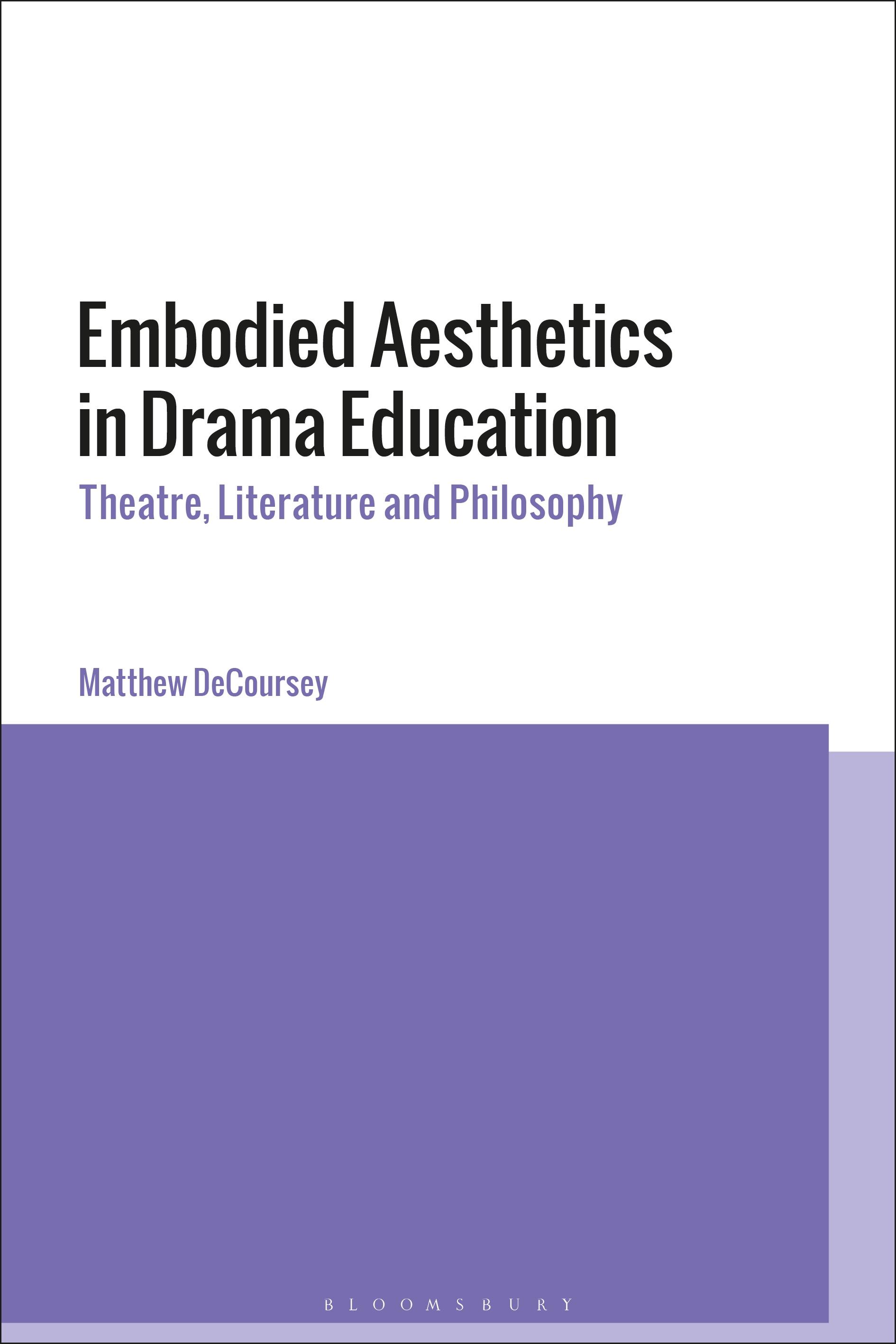
If it is a good thing to use drama for education, there must be something specific about drama that makes it good for the purpose. It has power of some kind: it makes things meaningful that would otherwise be meaningless, or things memorable that would otherwise be forgettable. Or perhaps it enables independent thought in an area that would otherwise become mere rote learning. Many practitioners believe that drama has the power to develop learner autonomy, or even to give learners power over their lives. In the last twenty years, a widespread view has developed that this 'something' that creates the benefit of drama is 'aesthetics'. There are many views of aesthetics, but what unites them is the special significance that art has for our lives. This book is about the relation between aesthetics and education in the use of drama. Within it, philosophy appears as the essential connecting discipline between the practice of arts-based education and our advancing knowledge of the interrelations of cognition, emotion, and embodiment.
Matthew DeCoursey argues that the power of dramatic art is to be found in its bodily, emotional nature. Drawing on recent work in the aesthetics of theatre, he shows that much of the power of theatre can be attributed to a specific range of ideas and techniques, notably including double meaning-making, aesthetic focus and dramatic tension. Finally, the author relates different forms of drama education to different educational results, holding that the conventional improvised forms are neither superior nor inferior to scripted theatre, but merely serve different purposes. Among those educational results discussed are the emancipation sought both by Rancière and by many practitioners of applied theatre, but also curricular areas, including language education.
Matthew DeCoursey argues that the power of dramatic art is to be found in its bodily, emotional nature. Drawing on recent work in the aesthetics of theatre, he shows that much of the power of theatre can be attributed to a specific range of ideas and techniques, notably including double meaning-making, aesthetic focus and dramatic tension. Finally, the author relates different forms of drama education to different educational results, holding that the conventional improvised forms are neither superior nor inferior to scripted theatre, but merely serve different purposes. Among those educational results discussed are the emancipation sought both by Rancière and by many practitioners of applied theatre, but also curricular areas, including language education.
Betal nemt med kort, Klarna, Apple Pay eller Google Pay. Ikke tilfreds? Du har altid 14 dages fortrydelsesret. Læs mere i vores vilkår. Har du spørgsmål, så send os en mail på hello@memmo.org.
Memmo gør det nemmere at studere – uanset hvor du er i verden. Hos os samler du dine kursusbøger og smarte studieværktøjer ét sted: resuméer, quizzer, podcasts og flashcards. Og så er der Ted, din studieven, der svarer på alt, du undrer dig over. Over 50 000 studerende studerer allerede her – bygget til at hjælpe dig med at lære hurtigere og stresse mindre.