
The whole of Marx's project confronts the narrow concerns of political philosophy by embedding it in social philosophy and a certain understanding of the aesthetic. From those of aesthetic production to the "poetry of the future" (as Marx writes in the Eighteenth Brumaire), from the radical modernism of bourgeois development to the very idea of association (which defined one of the main lines of tradition in the history of aesthetics), steady references to Dante, Shakespeare and Goethe, and the idea that bourgeois politics is nothing but a theatrical stage: the aesthetic has a prominent place in the constellation of Marx's thought.
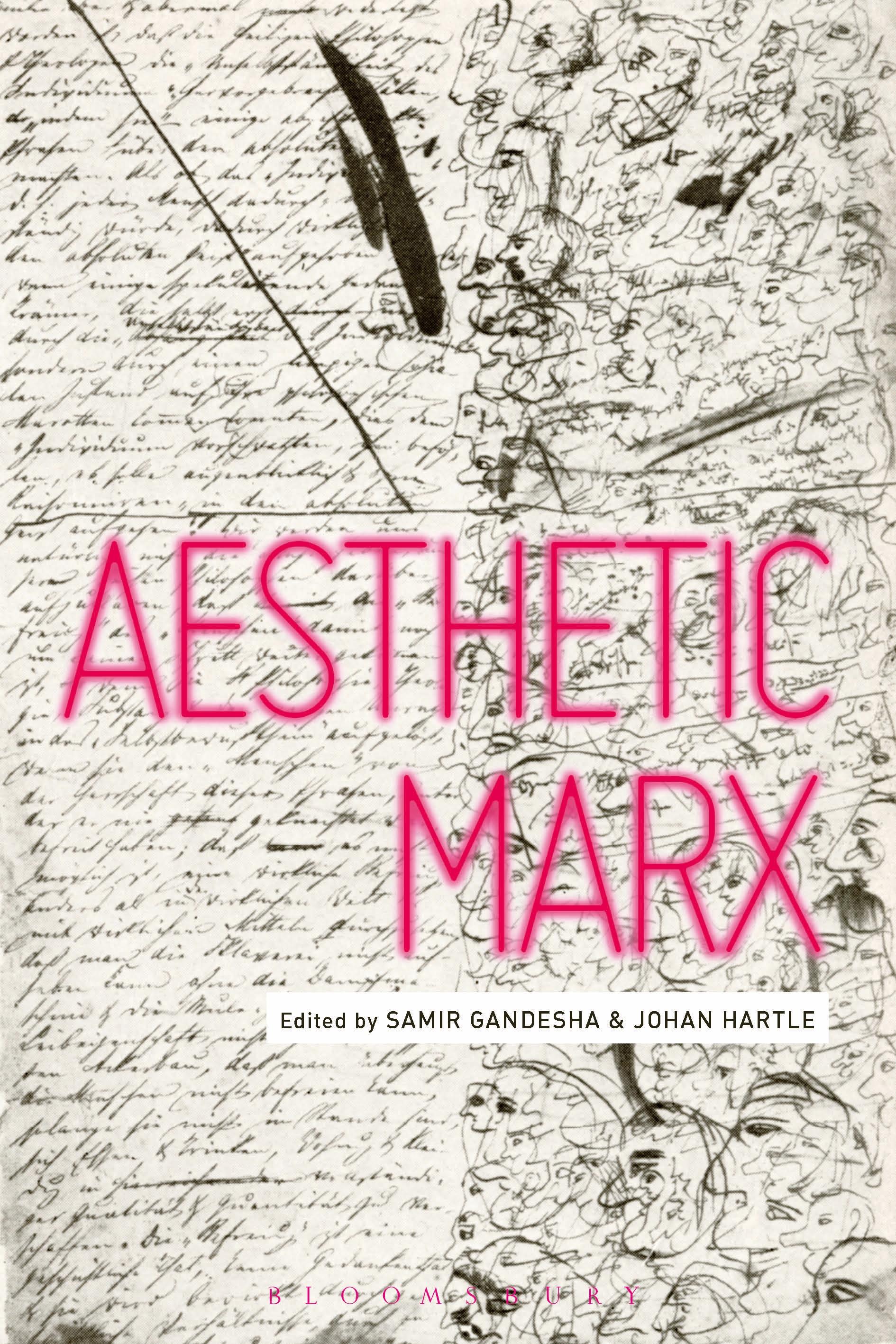
This book offers an original and challenging study of both Marx in the aesthetic, and the aesthetic in Marx. It differs from previous discussions of Marxist aesthetic theory as it understands the works of Marx themselves as contributions to thinking the aesthetic. This is an engagement with Marx's aesthetic that takes into account Marx's broader sense of the aesthetic, as identified by Eagleton and Buck-Morss – as a question of sense perception and the body. It explores this through questions of style and substance in Marx and extends it into contemporary questions of how this legacy can be perceived or directed analytically in the present.
By situating Marx in contemporary art debates this volume speaks directly to lively interest today in the function of the aesthetic in accounts of emancipatory politics and is essential reading for researchers and academics across the fields of political philosophy, art theory, and Marxist scholarship.
This book offers an original and challenging study of both Marx in the aesthetic, and the aesthetic in Marx. It differs from previous discussions of Marxist aesthetic theory as it understands the works of Marx themselves as contributions to thinking the aesthetic. This is an engagement with Marx's aesthetic that takes into account Marx's broader sense of the aesthetic, as identified by Eagleton and Buck-Morss – as a question of sense perception and the body. It explores this through questions of style and substance in Marx and extends it into contemporary questions of how this legacy can be perceived or directed analytically in the present.
By situating Marx in contemporary art debates this volume speaks directly to lively interest today in the function of the aesthetic in accounts of emancipatory politics and is essential reading for researchers and academics across the fields of political philosophy, art theory, and Marxist scholarship.
Betal nemt med kort, Klarna, Apple Pay eller Google Pay. Ikke tilfreds? Du har altid 14 dages fortrydelsesret. Læs mere i vores vilkår. Har du spørgsmål, så send os en mail på hello@memmo.org.
Memmo gør det nemmere at studere – uanset hvor du er i verden. Hos os samler du dine kursusbøger og smarte studieværktøjer ét sted: resuméer, quizzer, podcasts og flashcards. Og så er der Ted, din studieven, der svarer på alt, du undrer dig over. Over 50 000 studerende studerer allerede her – bygget til at hjælpe dig med at lære hurtigere og stresse mindre.